Homemade Peppermint Pest Repellent Spray (DIY Recipe)
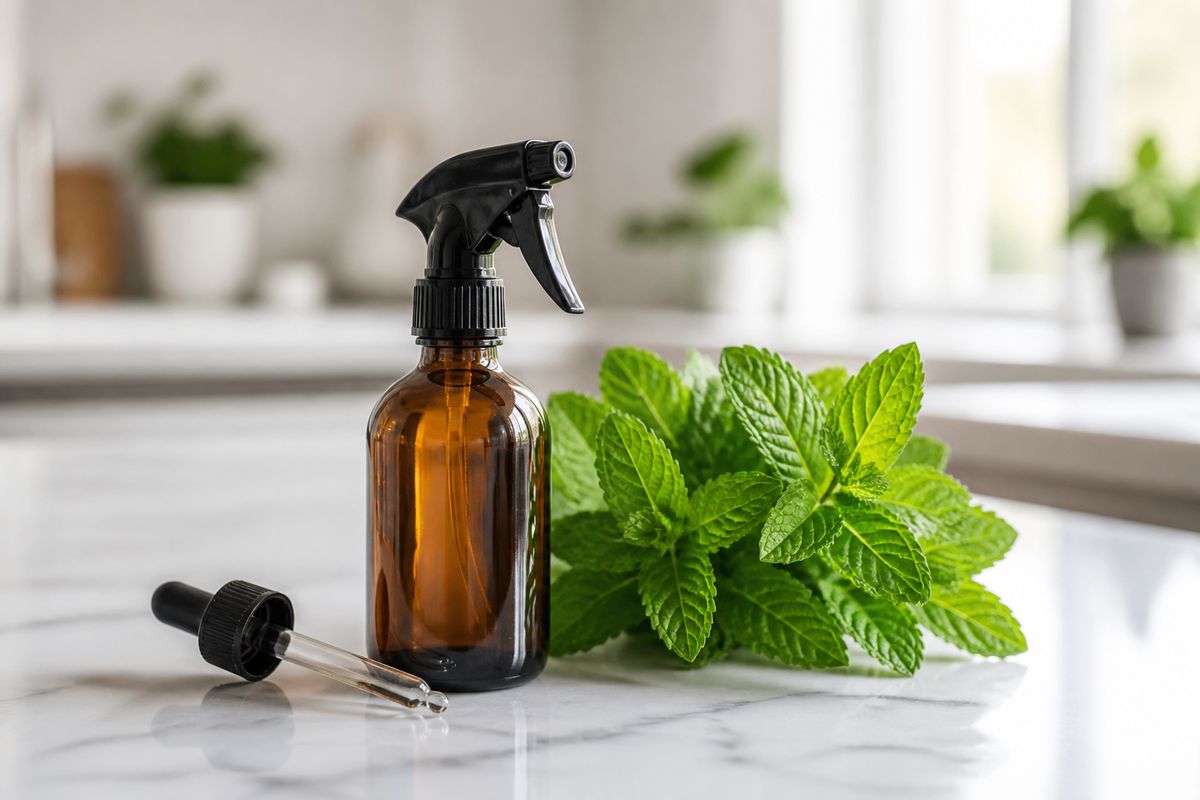
A Homemade Peppermint Pest Repellent Spray (DIY Recipe) is a mild, short-lived deterrent you spray along baseboards, window tracks, and entry points to make those specific spots less appealing to bugs for a few hours at a time. It is not a substitute for pest control and it will not eliminate an infestation on its own; treat it as one layer in a cleanup and sealing routine, not the whole plan.
The Basic Recipe and How to Mix It
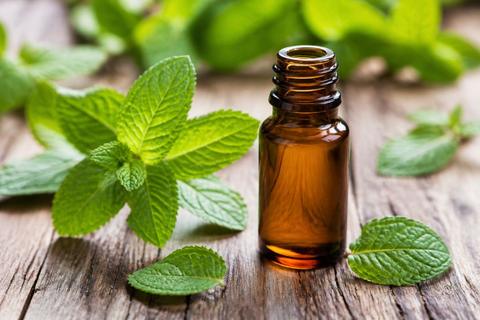
Combine 10 to 15 drops of pure peppermint essential oil with 1 cup of water and about a teaspoon of unscented liquid dish soap in a spray bottle. The soap is not optional filler, it emulsifies the oil so it disperses through the water instead of floating on top and clumping at the nozzle. Shake before every use since the mixture separates within minutes of sitting. For larger batches, keep the ratio the same: roughly 2 to 3 drops of oil per ounce of water.
How to Apply It and How Often to Reapply
Spray directly onto baseboards, door thresholds, window sills, cracks, and other entry points rather than open floor or air, since the scent only does anything where it actually lands. Wipe surfaces first so the spray contacts bare material instead of dust or grease film. Peppermint oil is volatile and the scent fades as it evaporates, so reapply every 2 to 3 days indoors, and immediately after rain or hosing down outdoor surfaces where the residue washes off. A 2020 Journal of Medical Entomology test of EPA-exempt plant-oil repellents found peppermint's effect on mosquito attraction dropped off substantially within about 30 minutes, well short of DEET, which held steady for hours. That is a useful reminder of how quickly this kind of scent-based repellent fades, and why reapplication matters more than getting the recipe exactly right.
Does Peppermint Oil Actually Repel Bugs? What It Works On
Peppermint oil can make some insects avoid a treated surface for a short window, but it does not kill most pests and it is not a registered pesticide with proven field efficacy. A 2022 Journal of Economic Entomology review of essential oils in urban pest management pointed out that products like this are exempt from EPA registration because they are considered low-risk, not because their effectiveness has been rigorously tested and standardized, and flagged that gap directly. Use it as a light deterrent in entry points and edges, alongside cleaning, food storage changes, and sealing cracks, since those steps remove the reasons pests keep coming back in the first place.
Full Guide: Does Peppermint Oil Actually Repel Bugs? What It Works On
Peppermint Oil for Ants: DIY Spray and How to Use It
Ants navigate by scent trails, and a strong peppermint smell can mask that trail long enough to redirect foraging ants away from a treated line for a while. Spray it along baseboards, under sinks, around window frames, and at door thresholds, then clean up crumbs and spills that drew the ants there in the first place. The effect is temporary: plan on reapplying every few days, more often right on an active trail. The child article covers the exact spray recipe and placement routine.
Full Guide: Peppermint Oil for Ants: DIY Spray and How to Use It
DIY Peppermint Spider Spray: Does It Keep Spiders Away?
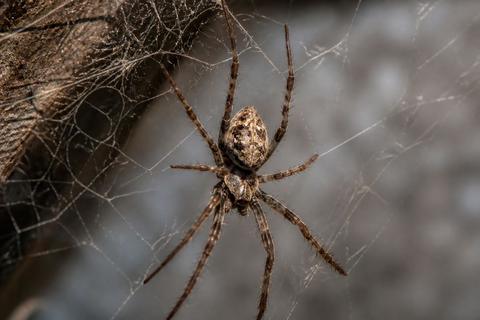
Spiders rely on scent and vibration more than most insects, so a strong peppermint smell can make a corner or crack less appealing without directly harming the spider. Spray lightly around trim, vents, garage edges, and old webs after clearing them out, since spiders return to spots with shelter and prey, not scent alone. It works best as light maintenance in low-traffic areas rather than a fix for an active spider problem. The dedicated article covers safe placement and realistic limits.
Full Guide: DIY Peppermint Spider Spray: Does It Keep Spiders Away?
Peppermint Oil for Roaches: Does It Repel Them?
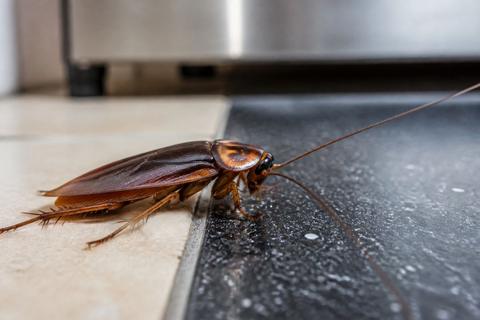
Peppermint spray does not kill roaches and does not solve an infestation. What it can do, at higher concentrations in enclosed conditions, is irritate roaches enough that they move away from a treated surface, and entomology researchers have specifically warned that a repellent tends to disperse roaches throughout a house rather than eliminate them, which is exactly why leaning on it alone can backfire: pushing roaches out of one cabinet just relocates them instead of removing them from the home. Use it as a minor supporting step along cracks and cabinet edges only after removing food debris, standing water, and clutter. The child article breaks down what peppermint can and cannot do here.
Full Guide: Peppermint Oil for Roaches: Does It Repel Them?
Does Peppermint Oil Repel Wasps and Bees?
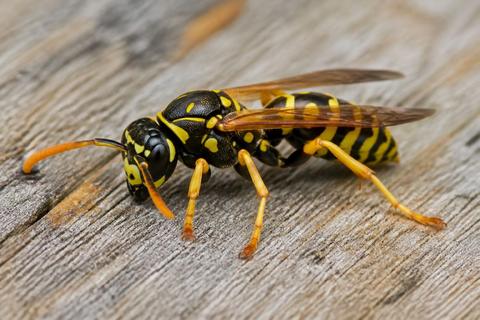
Peppermint's strong scent may discourage wasps and bees from lingering in a treated spot, but it is unreliable near an active nest and should never be your first move around one. Spraying directly at a nest can agitate the colony without disabling it, which raises sting risk for no real benefit. If a nest sits near an entryway or eating area, this spray is not the right tool. The related article explains when peppermint is worth trying and when to skip it entirely.
Full Guide: Does Peppermint Oil Repel Wasps and Bees?
Peppermint Oil for Fleas: How to Use It as a Deterrent
Fleas live in pet bedding, rugs, and upholstery, which makes peppermint spray tricky to use safely, especially around cats. Treat it as a light deterrent for non-animal surfaces such as baseboards near pet areas, not as flea treatment for your pet or an established infestation, which needs a real flea product and often a vet's input. The child article covers safer surfaces to treat and where peppermint has no real role.
Full Guide: Peppermint Oil for Fleas: How to Use It as a Deterrent
Does Peppermint Oil Repel Mosquitoes? How to Apply It
Peppermint spray can reduce mosquito attraction for a short period right after application, but the effect is brief. The 2020 Journal of Medical Entomology testing referenced above found peppermint oil's protection faded substantially by the 30 minute mark, so treat outdoor spraying as something you redo every hour or so during an evening outside, not a set-and-forget solution. It works best on patio furniture, railings, and entry areas rather than as a substitute for a real repellent on skin. The child article gives practical timing and placement.
Full Guide: Does Peppermint Oil Repel Mosquitoes? How to Apply It
Peppermint Oil for Bed Bugs: Can It Repel Them?
Bed bugs are one of the hardest pests to manage with any home remedy, and peppermint spray will not resolve an infestation. At best it plays a narrow, supporting role around luggage seams or cracks during a broader professional treatment plan, not as a way to avoid calling one. The linked article looks at what the evidence actually shows and where peppermint has no realistic place in a bed bug response.
Full Guide: Peppermint Oil for Bed Bugs: Can It Repel Them?
Peppermint Oil for Flies: Will It Repel or Attract Them?
Flies produce mixed results with peppermint spray: some homes see less activity near windows and kitchen counters, others see no change at all, since flies are drawn more strongly by food odors and trash than they are put off by mint. Spray entry points and trash-adjacent surfaces as a minor add-on, and address the food source and screens first. The child article covers both outcomes and when peppermint is worth the effort.
Full Guide: Peppermint Oil for Flies: Will It Repel or Attract Them?
Peppermint Oil for Gnats: How to Reduce Fungus Gnats
Fungus gnats breed in consistently wet potting soil, so a scented spray on the plant itself does far less than fixing the moisture problem. Peppermint spray can be used lightly on the soil surface and pot rim as a minor deterrent, but letting the top inch of soil dry out between waterings and improving drainage matter more. The child article focuses on where peppermint fits into a plant-care routine without stressing the plant.
Full Guide: Peppermint Oil for Gnats: How to Reduce Fungus Gnats
Is Peppermint Pest Spray Safe Around Cats and Dogs?
Essential oils, including peppermint, can be harmful to cats in particular, since cats lack the liver enzymes needed to process many plant compounds efficiently. Keep sprayed surfaces away from pet bedding, food and water bowls, and areas pets groom themselves after touching, and never apply the spray directly to a pet's fur or skin. The child article covers cat and dog precautions in more detail before you spray anywhere pets have access.
Full Guide: Is Peppermint Pest Spray Safe Around Cats and Dogs?
Peppermint Oil in the Garden: Protecting Plants from Pests
Concentrated essential oil sprays can scorch leaves, especially in direct sun or high heat, so garden use needs a lighter hand than indoor spot-treatment. Test any mixture on one or two leaves first and wait 24 hours before treating a whole plant, and spray in the early morning or evening rather than midday. The child article covers dilution and timing for outdoor plants with less risk to foliage and beneficial insects like bees.
Full Guide: Peppermint Oil in the Garden: Protecting Plants from Pests
Frequently Asked Questions
What is the best use for a homemade peppermint pest repellent spray?
It works best as a short-term deterrent for certain pests in specific spots like entry points, corners, and non-food surfaces, not as a stand-alone fix. Pair it with cleaning, decluttering, and sealing gaps, and check the child articles above for what to expect pest by pest.
Can I use peppermint spray everywhere in the house?
No. Test a small area first and avoid fabrics, finished wood, and surfaces where oil can leave residue or a stain, and keep it away from pets. Focus on edges, cracks, and thresholds instead of spraying open rooms.
How often should I reapply peppermint pest spray?
Reapply every 2 to 3 days indoors, and immediately after rain or heavy airflow outdoors, since the scent that does the work evaporates fast. Active trails or high-traffic entry points may need daily reapplication until the underlying attractant, like food debris or moisture, is fixed.