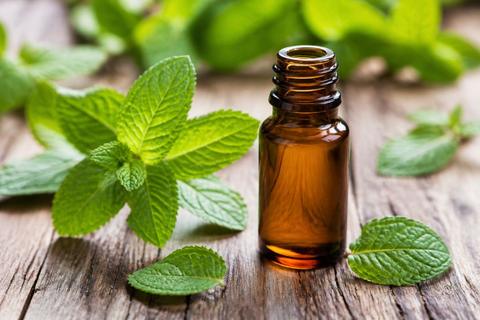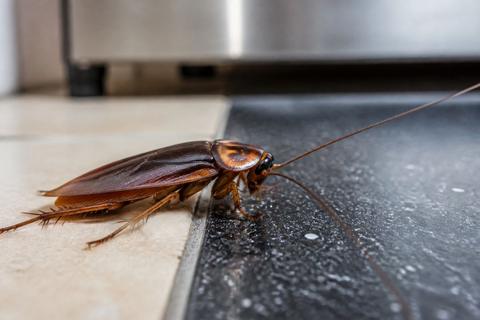
Is Peppermint Oil Safe for Pets? Peppermint Pest Spray and Cats Dogs
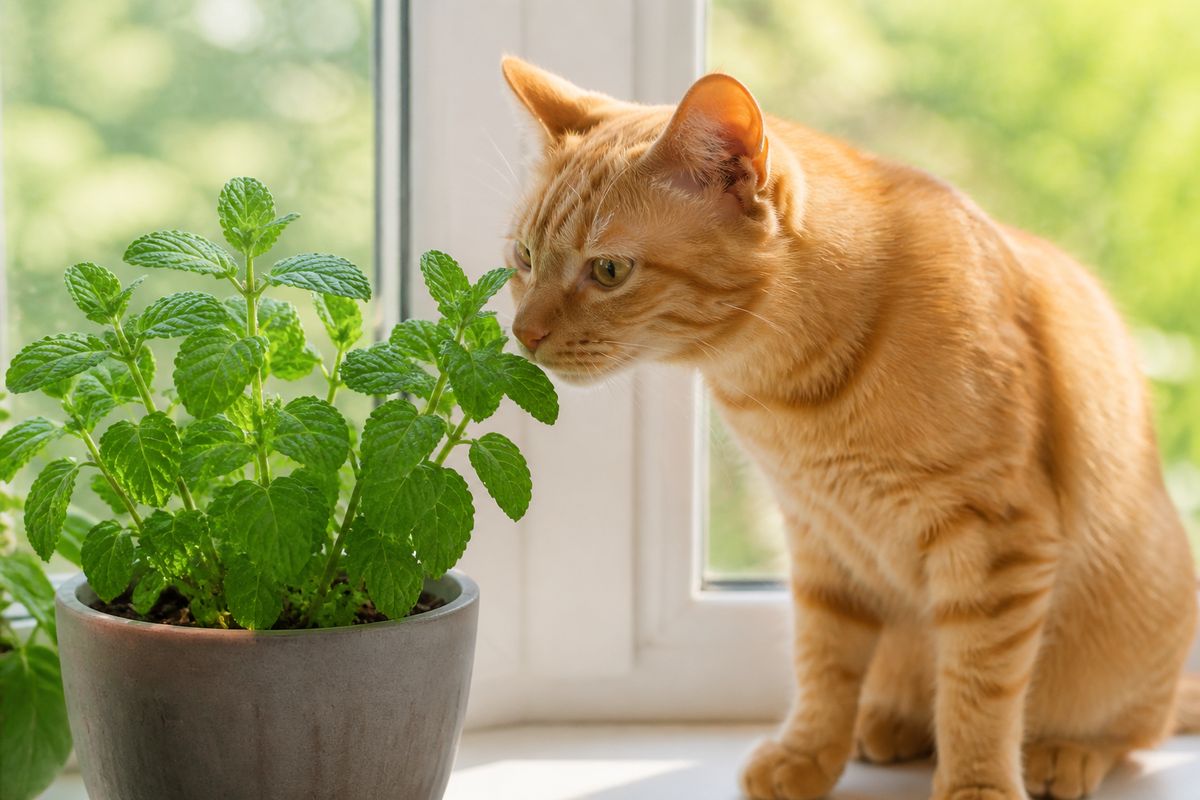
Is peppermint oil safe for pets? Not by default. Cats and dogs live at floor level, breathe air that settles near baseboards, and lick their paws and fur constantly, so any peppermint spray you use on the floor or furniture ends up in their mouths eventually. Peppermint essential oil is also a mild, short-lived pest deterrent at best, not a pesticide that kills or eliminates insects, so the safety tradeoff matters even more when the payoff is small.
For more help, see our Homemade Peppermint Pest Repellent Spray (DIY Recipe) guide.
Peppermint oil and pets: the safety basics
What peppermint oil actually is
Peppermint essential oil is distilled from Mentha piperita and is far more concentrated than the peppermint scent in candles or cleaning products. The concentrated oil is mostly menthol, menthone, and limonene, compounds that irritate skin, eyes, and airways in high enough amounts. That irritant quality is also the reason it has any pest-deterrent effect at all: insects avoid the smell in the short term, they are not killed by a light household spray. For pets, the risk comes down to three things: how concentrated the mix is, how much contacts the animal, and the exposure route, skin contact, inhaled mist in a closed room, or licking residue off fur and paws.
Why dogs and cats react differently
Cats are more sensitive to essential oils than dogs because they lack some of the liver enzymes needed to break the compounds down, and their grooming habit means anything on their fur usually ends up ingested. VCA Animal Hospitals lists peppermint oil among the essential oils that are poisonous to cats through both ingestion and skin exposure. Dogs generally tolerate skin contact and inhalation better, but heavier exposure can still cause vomiting, drooling, or coughing. A pet's age, body size, and any existing asthma or allergy history change how bad a reaction gets, so what looks mild in one animal can be more serious in another.
When "natural" still means risky
Natural does not mean safe. Peppermint oil is concentrated specifically so a small amount delivers a strong dose of active compounds, and that is exactly what makes it both mildly useful as a deterrent and risky for pets in the wrong amount. A bottle labeled "green," "botanical," or "pesticide-free" is not automatically gentler. Treat peppermint oil like a household chemical you're diluting carefully, not an air freshener you can spray freely around animals.
How peppermint pest spray can affect cats and dogs
Common exposure routes indoors
Most pet exposure happens because peppermint spray is used indoors without keeping animals out of the room. Pets are exposed by inhaling spray mist, breathing lingering vapor in an enclosed space, and walking or lying on wet, treated surfaces. Cats groom residue off their fur after brushing against baseboards or furniture. Dogs lick their paws after walking on treated floors. Chewing on a sprayed rag or trap is another route. Kitchens, bathrooms, hallways, and under-sink cabinets are the highest-risk spots because spray lingers longest in small, enclosed spaces.
Signs of irritation or distress
Watch for airway irritation, stomach upset, or skin irritation. That includes drooling, vomiting, coughing, pawing at the mouth, and watery or red eyes. Heavier exposure can bring on lethargy, wobbliness, trembling, or labored breathing. On skin, look for redness, swelling, or excessive scratching where the spray landed. Eye contact usually causes squinting, rubbing, and tearing. Any breathing trouble is an emergency, not something to monitor at home.
What to do after accidental contact
- Move your pet to fresh air right away and keep them out of the treated room.
- If spray got on fur or skin, rinse with lukewarm water. Use a small amount of mild, pet-safe soap only if needed, then towel dry. Do not try to "neutralize" it with anything else.
- If it reached the eyes or mouth, rinse with clean water for several minutes and call a vet for next steps.
- Call your veterinarian or a pet poison hotline and have the product name and ingredient list ready.
- Go to an emergency vet if symptoms are severe, ongoing, or involve breathing difficulty.
Mixing and using peppermint spray more safely
Why dilution matters
Undiluted peppermint essential oil is the main problem. Menthol and related compounds irritate skin and airways at higher concentrations, and a heavier mix also means more residue left behind and more airborne particles for a pet to inhale. Diluting the oil properly is the single biggest thing you control, since it lowers the odds of eye or skin irritation and cuts down how much a pet ingests if they lick a treated surface.
- Use 100% pure peppermint essential oil, not peppermint extract or flavoring, which is too weak to deter pests and isn't the product this dilution is based on.
- Mix 10-15 drops of essential oil per 1 cup of water, plus about 1/8 teaspoon of unscented dish soap so the oil emulsifies instead of floating on top.
- Shake before every use since the mix separates between applications.
- Keep pets out of the room during and right after spraying, and avoid creating a fine mist that hangs in the air.
Application method and reapplication
Spray onto a cloth and wipe surfaces rather than misting the open air, which cuts down on inhaled droplets. Apply along entry points and travel routes, door thresholds, window sills, baseboards, and under-sink cabinet edges, not on open floors or furniture a pet rests on. Peppermint's scent fades as the oil evaporates, usually within a day or two indoors and faster outdoors after rain or in direct sun, so reapply every 2-3 days if you're still seeing activity. Reapplying more often than that does not make it more effective against an established pest problem; it just means more residue for a pet to contact.
- Spray a cloth, not the air, and wipe entry points and baseboards.
- Keep pets in another room until the surface is fully dry.
- Reapply every 2-3 days, or sooner after rain if used outdoors.
- Skip areas pets sleep on, walk through barefoot, or lick routinely.
Where not to spray around pets
Some spots should be off-limits regardless of dilution, because pets can't avoid contact there. Skip pet bedding, play mats, and food or water bowls. Avoid open floors dogs walk across and surfaces cats rub against. Don't mist near litter boxes, since cats groom themselves right after using them. Skip upholstery and curtains, since fabric holds both scent and residue longer than hard surfaces and is harder to rinse off. In homes with kittens, senior pets, or animals with asthma, be stricter about avoiding any spray near them at all.
- Keep sprays off sleeping areas and anywhere pets lick routinely.
- Avoid spraying in small enclosed bathrooms or cabinets where vapor concentrates.
- Never spray inside trash bins or near stored pet food.
- Don't spray toward a pet's face or into the air they're breathing.
Can you use peppermint around pets at all, and does it actually work?
What peppermint oil actually does to pests
Peppermint's menthol content irritates insect chemoreceptors, so some pests avoid a freshly treated surface for a short time. That's a repellent effect, not pest control. It is not a substitute for sealing entry points or removing food sources, and it will not clear an established ant trail or roach population. The EPA lists peppermint oil among the minimum-risk ingredients exempted from pesticide registration, and specifically notes that products made from these ingredients have not been evaluated by EPA for effectiveness. In practice that means there's no EPA-verified performance standard behind a bottle of peppermint spray, and results in independent testing vary a lot by species, concentration, and how fresh the application is. Treat it as a mild add-on to real prevention, not the main defense.
Safer, more effective steps for cat and dog households
If pest control is the actual goal, the highest-value steps don't involve spraying essential oil at all. Seal entry points with weather stripping and caulk, remove food sources, and fix standing water. Vacuum floors and baseboards regularly and empty the canister outside right after. For ants and roaches, enclosed bait stations and traps placed where pets can't reach them do more than a scent deterrent, and they don't add an inhalation or licking risk.
- Seal gaps around windows, doors, and utility entry points.
- Store food in airtight containers, wipe counters, and keep trash covered.
- Vacuum edges and under furniture, then empty the canister outdoors immediately.
- Use enclosed bait stations or snap traps only where pets cannot reach them.
When to call a vet or poison expert
Call right away if your pet had direct contact with a peppermint spray and is showing any symptoms, vomiting, coughing, drooling, wheezing, eye irritation, or unusual behavior. Also call if the product contained other ingredients besides peppermint oil, like solvents, added pesticides, or other essential oils, since those change the risk picture. If you don't know how much your pet was exposed to, treat it as potentially harmful rather than waiting to see. Have the exact product name and ingredient list ready when you call.
Peppermint oil for ingestion, capsules, and human use
Why oral peppermint products aren't the same as spray
Peppermint oil in a spray bottle and peppermint oil in a supplement capsule behave differently once they contact a pet's body. Inhaled or topical exposure irritates airways and skin directly, while ingestion runs through digestion and liver metabolism, which is exactly where cats struggle most. Pest sprays usually contain more than just peppermint oil, solvents or other active ingredients add their own toxicity on top of whatever the peppermint oil itself does. Treat concentrated peppermint products, oral or topical, as off-limits for pets unless a vet has specifically approved them.
Capsules, extracts, and tea: what is and isn't for pets
Peppermint tea is milder than the essential oil, but it isn't automatically fine either, it can still upset a pet's stomach, especially one with a sensitive GI tract. Peppermint extract varies in strength between brands and sometimes contains alcohol or other additives, so it isn't a safe substitute for "a little taste." Essential oil capsules and pure oil are concentrated enough to cause harm in small animals. Don't give peppermint essential oil, capsules, or extract to a pet without vet guidance.
- Don't give peppermint essential oil capsules, regardless of brand or "pet-safe" marketing.
- Don't add peppermint extract or flavoring to food or water.
- If you want to try peppermint tea, ask your vet first and skip any sweeteners, especially xylitol.
- Never use a home remedy to treat symptoms from a spray exposure; call your vet instead.
Human safety concerns with inhaling or ingesting peppermint oil
Concentrated peppermint oil isn't risk-free for people either. Inhaling the vapor can irritate the nose and throat, trigger coughing, and worsen asthma. Ingesting it undiluted can burn the mouth and throat and cause nausea or dizziness. The same irritation shows up in pets as drooling, pawing at the mouth, and breathing trouble. If a room smells strong enough that peppermint oil bothers your own throat or breathing, it's too concentrated for a pet in that space too.
Peppermint as a deterrent for other animals and pests
Does peppermint repel cats or dogs?
Not reliably, and not safely. Cats often investigate the smell out of curiosity, then groom residue off their paws or fur afterward. Dogs might avoid a spot briefly and come back within a day once the scent fades. Using peppermint to keep your own pets off furniture or out of a room tends to create repeat exposure rather than solving the behavior problem. A baby gate or double-sided pet-safe tape is more reliable and doesn't carry an irritation risk.
- Use pet-safe tape, baby gates, or closed doors for behavior control instead of scent.
- Offer an alternative, a scratching post or a designated bed, instead of just blocking the old spot.
- If you do use a scent deterrent, keep it off any surface the pet contacts directly.
What it may do to insects and hummingbirds
Peppermint oil can disrupt the behavior of some crawling insects at close range and fresh application, though the effect is short and varies by species. Lab testing on aphids and Colorado potato beetle larvae found peppermint oil showed measurable insect-killing activity only at specific lab concentrations of roughly 0.2% to 0.7%, but that's a controlled agricultural application, not evidence that a light household spray will kill ants or roaches on contact, and the same research noted older larvae were far more resistant. Outdoors, spraying near flowering plants can also affect pollinators and beneficial insects like ladybugs, so avoid heavy or repeated applications in a garden pets or pollinators use.
Limits of peppermint-based deterrents
Peppermint's scent fades quickly as the oil evaporates, so whatever deterrent effect it has drops off within a day or two indoors and faster outdoors. Rain and humidity cut outdoor persistence down even further. Pests also come back once the smell is gone if the actual attractant, food, moisture, or an entry gap, is still there. Peppermint spray cannot fix a structural gap or a standing-water problem; sealing and removing attractants does the real work.
- Seal entry points and remove food sources first; treat peppermint as a supplement, not the fix.
- Use sticky monitors to find where pests are actually traveling.
- Reapply only as needed and never build up heavy residue where pets can reach it.
What a pet owner should check before buying peppermint spray
Reading labels for essential oil concentration
Check the ingredient list for the actual concentration, not just a "peppermint fragrance" claim on the front label. Higher concentrations mean more irritation risk, especially for cats. Also check the format, a fine-mist spray creates more inhalable droplets than a wipe or gel. Skip any product that won't tell you its ingredients, concentration, or pet-specific usage instructions.
- Look for the actual active ingredients and concentration percentage.
- Skip products that only advertise "natural scent" without listing what's in it.
- Choose wipes or gel formulas over aerosol sprays where possible.
- Follow the label's ventilation and pet re-entry instructions exactly.
Avoiding products with extra ingredients
Some peppermint pest sprays add other ingredients that are riskier than the peppermint oil itself, insecticides, solvents, or additional essential oils that compound the irritation. If a product lists a pesticide active ingredient, keep it off any surface your pet can reach, full stop. Combined essential oil blends increase total exposure risk even if each oil looks mild alone. If you can't get a full ingredient list from the manufacturer, don't use the product around pets.
- Skip products with added pesticides or insecticides unless the label explicitly states pet-safe indoor use.
- Avoid multi-oil blends, since combined exposure adds up.
- Don't apply near litter boxes, pet beds, or food prep surfaces.
- Keep pets out of the room until the label's stated re-entry time has passed.
How to store and use spray to reduce pet exposure
Store peppermint spray sealed, out of reach, and away from heat. Wear gloves when mixing or applying it, and spray onto a cloth or directly onto hard surfaces instead of misting into open air. Keep pets in a separate room with the door closed during application and while it dries. Once dry, wipe treated surfaces if the label allows it, and don't let a pet walk across still-wet floors or baseboards.
- Store the bottle sealed, labeled, and out of a pet's reach.
- Wear gloves and avoid spraying toward your own or a pet's face.
- Keep pets in another room, door closed, during application and drying.
- Ventilate the room and don't let pets walk through wet residue.
Frequently Asked Questions
Is peppermint oil safe for pets?
Not by default. Cats are especially sensitive because they lack some of the liver enzymes needed to process the oil's compounds, and dogs can also react to strong exposure through skin contact or inhalation. The main risk factor is concentration, since essential oils pack menthol and related compounds tightly enough to irritate airways and skin. Residue transferred to paws and then licked off during grooming is the most common way pets get exposed. If you use any peppermint product in a home with pets, dilute it properly, keep pets out during application, and never treat it as a routine air freshener.
Is peppermint pest spray safe around cats and dogs?
Only with proper dilution and precautions, and even then it's a mild deterrent, not a pesticide. A spray misted into open air or left as residue on baseboards and floors is where most pet exposure happens. Cats are more likely to show eye and respiratory irritation than dogs. If you use a spray, keep pets out of the room until it's fully dry, apply to a cloth rather than the air, and don't expect it to do more than briefly discourage a few pests near the treated spot.
Can dogs have peppermint oil or peppermint extract?
Not in concentrated form. A dose that's fine for a person can be too strong for a dog's smaller body size. Peppermint extract varies in strength between brands and sometimes contains alcohol or other additives that can irritate the GI tract, so it isn't a safe substitute for "a taste." If you want to use peppermint for a specific health reason, ask your vet for an approved product and dose rather than guessing.
What symptoms should I watch for if my pet was exposed?
Watch for drooling, vomiting, coughing, trouble breathing, lethargy, wobbliness, pawing at the mouth or eyes, or skin redness. These point to airway irritation, contact irritation, or stomach upset from licking residue. Any breathing difficulty is an emergency. Note the product used, when exposure happened, and what part of the body was affected, then call your veterinarian or a poison hotline right away instead of trying a home remedy.
What is a safer, more effective way to deal with pests in a pet home?
Seal entry points, remove food and water sources, vacuum baseboards and corners regularly, and use enclosed bait stations or traps placed where pets can't reach them. These steps do more to actually reduce pest activity than any essential oil spray, and they don't add an inhalation or licking risk. Ask your vet before using any essential oil product around your pets, and treat peppermint spray as a minor supplement to prevention, not a replacement for it.