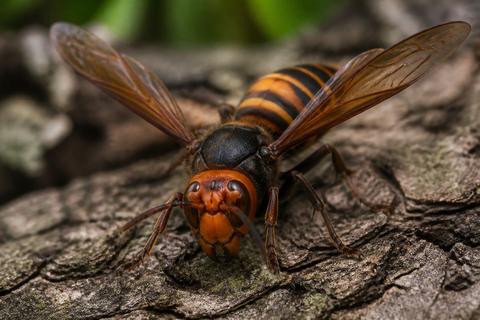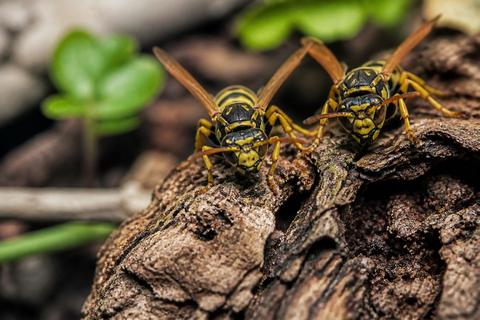
Top 10 Facts About Hornets That You Need to Know
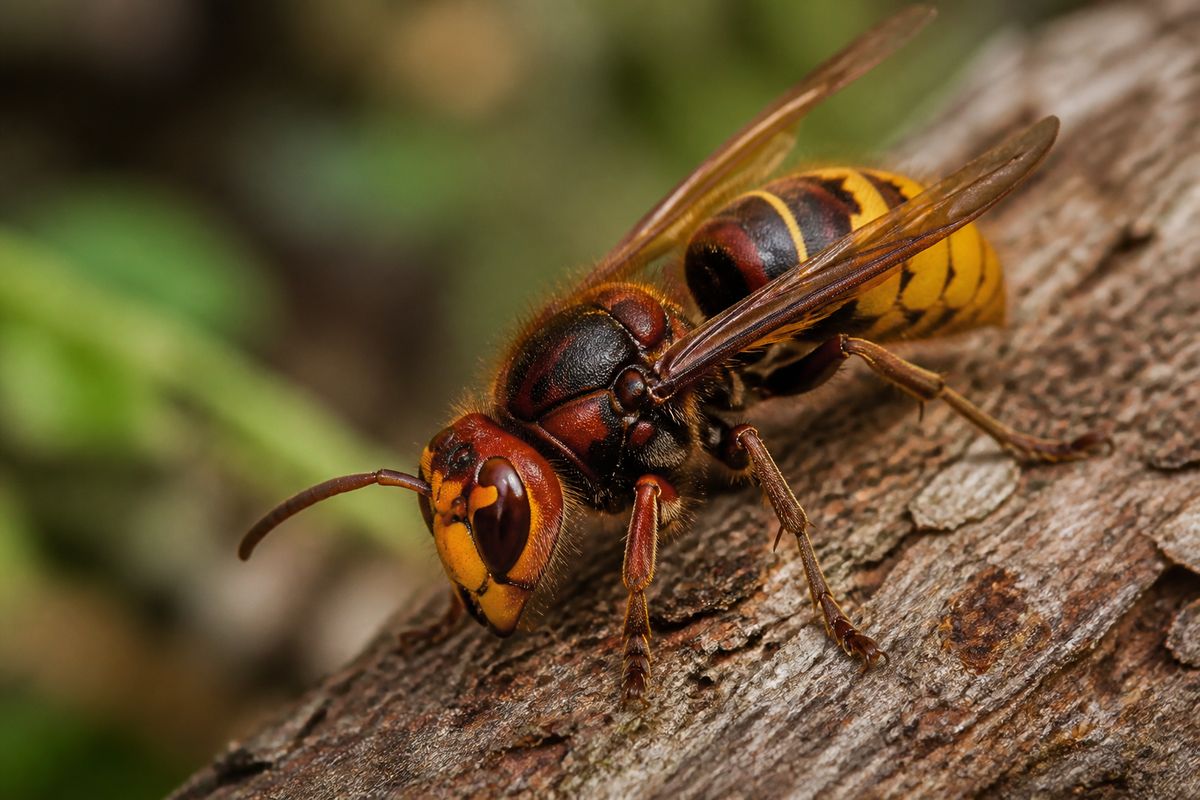
Hornets are fascinating creatures that often stir up a mix of fear and curiosity. As part of the wasp family, these large and often intimidating insects play significant roles within their ecosystems. In this article, we will delve into ten intriguing facts about hornets that not only highlight their peculiarities but also underscore their importance in nature.
1. Distinct Species
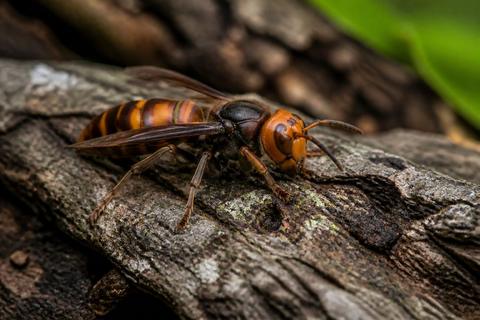
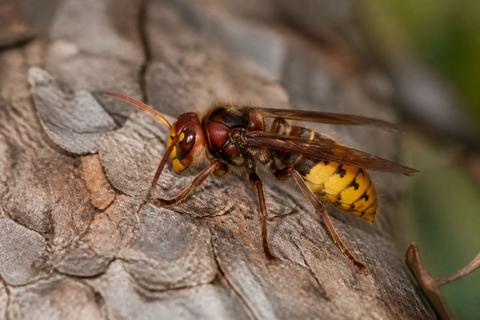
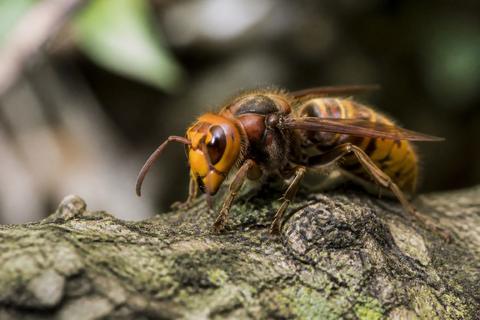
Hornets belong to the family Vespidae, which includes various species of wasps. The most well-known species in North America is the bald-faced hornet (Dolichovespula maculata), recognized for its striking black and white appearance. In Europe, the European hornet (Vespa crabro) is the largest species and can be identified by its yellow and brown coloration. Understanding these species helps clarify the role they play in their respective environments.
2. Not All Hornets Are Aggressive
Contrary to popular belief, hornets are not inherently aggressive creatures. They typically only sting when they feel threatened or when their nests are disturbed. Unlike bees, which die after stinging, hornets can sting multiple times without losing their stinger. This ability to repeatedly sting makes them seem more dangerous than other insects, but they generally prefer to avoid conflict unless provoked.
3. Important Pollinators
Despite their fearsome reputation, hornets contribute significantly to pollination. While they are not as effective as bees in this role, they do help pollinate various plants as they feed on nectar. Their presence in gardens and agricultural settings can assist in maintaining healthy ecosystems and promoting biodiversity.
4. Nest Construction
Hornet nests are engineering marvels made primarily from plant fibers mixed with saliva, creating a papery substance. These nests can be quite large, often housing thousands of individuals within a single colony. Hornets typically build their nests high off the ground in trees, shrubs, or man-made structures. Recognizing how they construct their homes sheds light on their complex social structures and survival strategies.
5. Social Structure
Hornets are social insects that live in colonies comprised of a queen, workers, and males (drones). The queen is responsible for laying eggs and establishing new colonies. Worker hornets carry out various tasks such as foraging for food, building the nest, and protecting the colony from intruders. Males’ primary function is to mate with the queen before dying shortly after mating. This cooperative behavior reflects the intricate social dynamics within hornet communities.
6. Carnivorous Diet
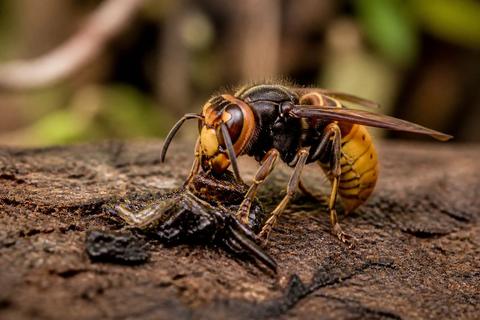
Hornets have a varied diet that primarily consists of protein-rich foods such as insects and carrion. They are skilled hunters and often prey on pests like caterpillars and flies, making them beneficial for controlling insect populations. Additionally, they also feed on sugary substances like fruit juices and nectar during warmer months when protein sources become scarce.
7. Defense Mechanisms
When threatened, hornets utilize several defense mechanisms beyond stinging. One notable tactic is releasing pheromones that signal danger to other members of the colony, prompting them to come to the aid of the attacked hornet or defend the nest aggressively. This process helps ensure the survival of the colony as a whole.
8. Lifespan Variability
The lifespan of hornets varies depending on their roles within the colony. Queens can live up to one year or more during favorable conditions, while worker hornets typically live for several weeks to a few months. Drones have an even shorter lifespan, often dying shortly after mating during late summer or early fall when their primary function has been fulfilled.
9. Seasonal Behavior
Hornet colonies exhibit distinct seasonal behaviors that impact their life cycles. Early in spring, queens emerge from hibernation to establish new colonies by laying eggs that will develop into workers. Throughout the summer months, colonies thrive and expand as worker populations increase. By late summer or early fall, reproductive males are produced, leading to mating events before temperatures drop and colonies begin to decline in numbers due to colder weather conditions.
10. Misunderstandings and Fear
Despite their ecological benefits and complex social structures, hornets often garner an unjustified reputation as aggressive pests that pose significant threats to humans. Many people have misconceptions about these insects based on exaggerated fears stemming from painful stings or aggressive encounters with nests. Education about hornet behavior can lead to better coexistence between humans and these beneficial insects.
Conclusion
Hornets are remarkable creatures that play vital roles in our ecosystems despite their fearsome reputation. Understanding these ten facts about hornets allows us to appreciate their contributions to biodiversity while fostering a healthier perspective towards them as essential components of nature’s intricate web.
By recognizing their significance, from being effective predators that help control pest populations to acting as pollinators, we can learn to coexist peacefully with these fascinating insects while promoting a balanced ecosystem in our gardens and surrounding areas.
As we continue to explore our natural world, it’s crucial to look past our fears and misconceptions about insects like hornets and recognize their place within our environment, an acknowledgment that could lead to more harmonious relationships between humans and wildlife alike.