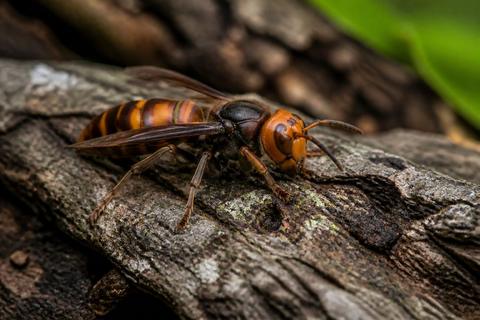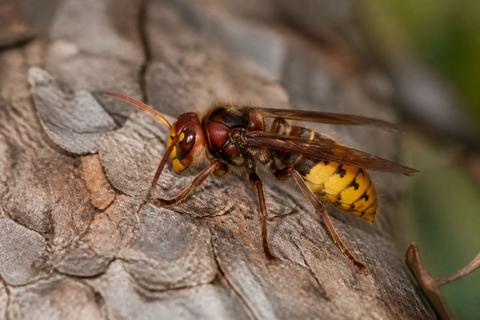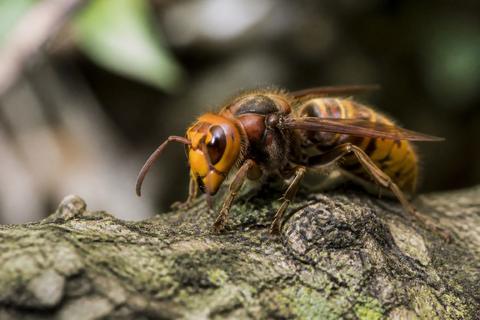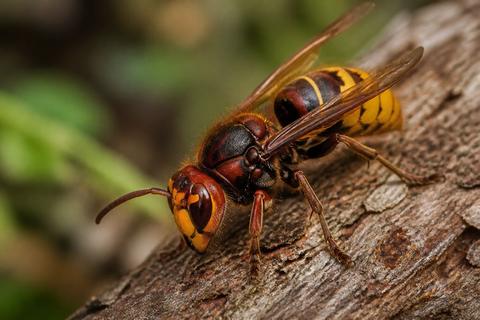
What Do Hornets Eat? Diet and Feeding Habits
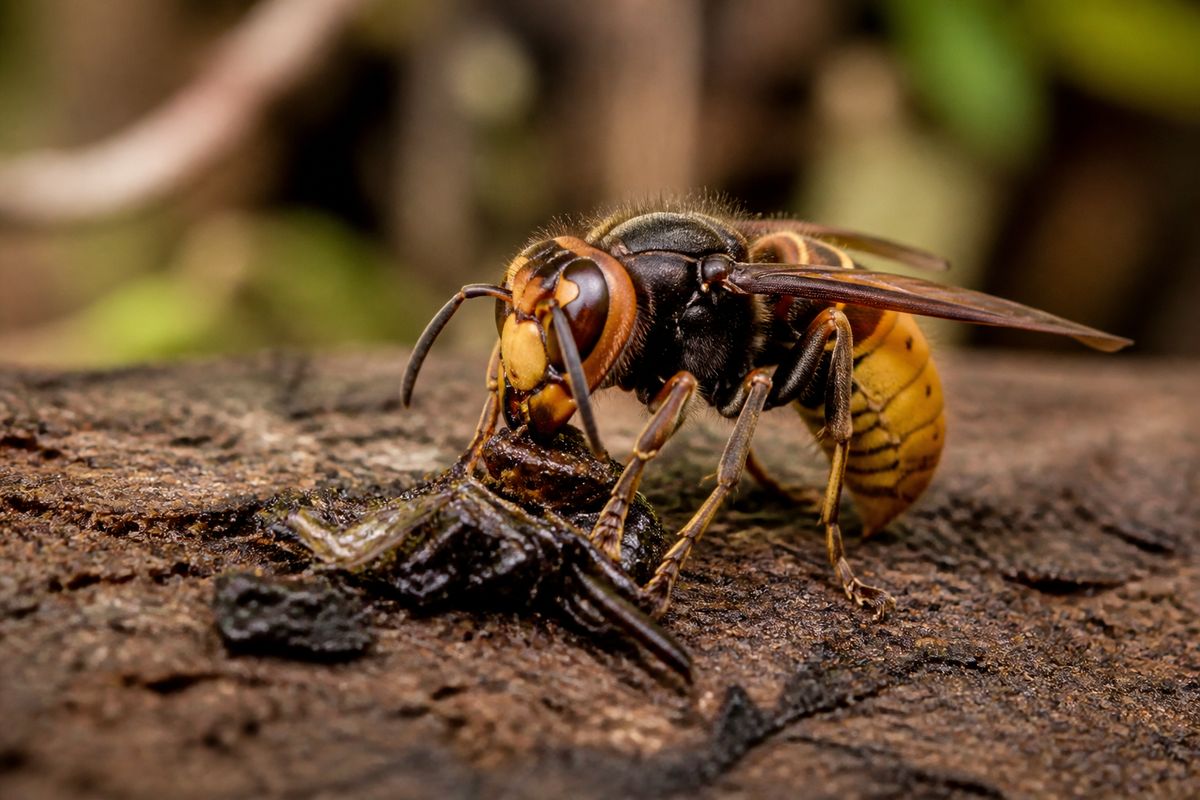
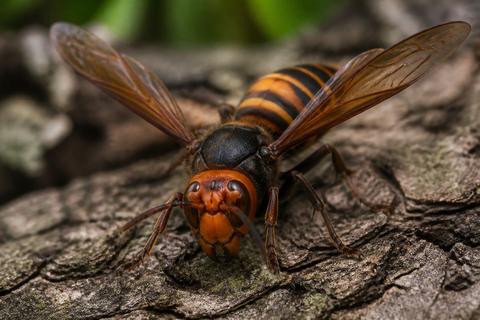
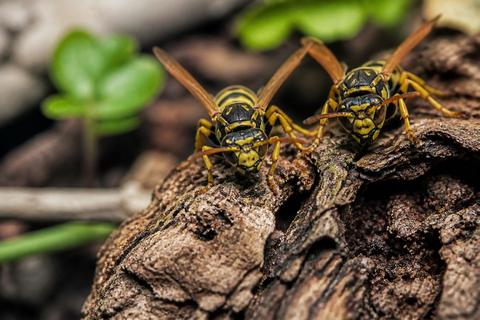
Hornets, fascinating yet formidable insects belonging to the family Vespidae, have a diverse diet that plays a crucial role in their ecosystem. Understanding what hornets eat provides insights not only into their behavior but also into their ecological contributions. This article will delve into the dietary habits of hornets, exploring what they consume at different life stages, their feeding preferences, and the implications of their eating habits on both the environment and human activities.
The Basics of Hornet Diet
Hornets are primarily carnivorous insects; however, their diet can vary depending on their life cycle stage and environmental conditions. While adult hornets mainly consume protein-rich foods, larvae require different nutrients for growth and development.
Adult Hornets: Carnivorous Tendencies
Adult hornets are notable predators and scavengers. Their primary sources of food include:
-
Other Insects: Adult hornets are hunters, capturing various prey like flies, bees, and caterpillars. This predation is essential for keeping insect populations in check, supporting the ecological balance. By reducing the number of pests that can damage crops or spread diseases, hornets play an indirect role in agricultural health.
-
Nectar and Sugars: In addition to protein sources from other insects, adult hornets also feed on sugary substances. They are known to visit flowers to consume nectar or forage on ripe fruits. This behavior not only satisfies their nutritional needs but also aids in pollination processes, a critical ecological function.
-
Honeydew: Hornets will often scavenge honeydew excreted by aphids and other sap-sucking insects. Honeydew is rich in sugars, making it an attractive energy source for hornets during late summer when protein sources might be less abundant.
-
Scavenging: Hornets are opportunistic feeders. They will scavenge carcasses of dead animals or decaying organic matter when food is scarce. This behavior contributes to nutrient recycling in ecosystems.
Larval Diet: Protein Requirements
The dietary requirements of hornet larvae differ significantly from adults. Larvae need protein-rich diets to support their growth and development into mature adults.
-
Regurgitated Food from Adults: Adult hornets provide their larvae with a diet consisting mainly of chewed-up insects. When gathering prey, adult hornets will capture insects, chew them into a paste-like consistency, and regurgitate this mixture into the nest for the larvae to consume.
-
Prey Selection: The specific types of insects that adult hornets feed to their larvae vary depending on availability and regional insect populations. Commonly provided prey includes caterpillars, flies, and even other wasps.
This communal feeding approach ensures that larvae receive essential nutrients required for their rapid growth, preparing them for eventual independence as adult hornets.
Seasonal Variations in Diet
Hornet diets can shift based on seasonal changes and environmental factors:
-
Spring: During spring, as colonies begin to grow after winter dormancy, food sources may be limited. Adult hornets rely heavily on protein-rich foods like emerging insects and larvae to support the growth of new offspring in the nest.
-
Summer: In mid-summer when colonies reach peak population sizes, there is an abundance of prey available. Hornets actively hunt larger numbers of insects while also taking advantage of flowering plants for nectar.
-
Fall: As temperatures begin to drop in fall, hornet colonies start preparing for winter. Adult hornets focus more on sugary foods like ripe fruits and honeydew since protein sources become scarcer as many insect populations decline.
-
Winter: Winter is a challenging time for hornets as most species go dormant or die off after the first frost. The surviving fertilized queens typically enter hibernation during this time and do not feed until spring when they emerge to create new colonies.
Feeding Habits and Behaviors
Hornet feeding habits exhibit various behaviors that enhance their survival:
Foraging Strategies
Hornets employ strategic foraging techniques that allow them to optimize food intake:
-
Hunting Patterns: Adult workers are highly organized when hunting for prey. They can coordinate with each other through pheromones to signal food sources or potential threats.
-
Territorial Defense: Some species exhibit territorial behaviors to protect food sources from competitors. This defense ensures they have consistent access to protein-rich foods necessary for their young’s growth.
Social Feeding Dynamics
In a typical colony setting:
-
Division of Labor: Worker hornets specialize in hunting while others focus on nest maintenance or feeding larvae. This division increases efficiency within the colony.
-
Food Sharing: Adult hornets often share food with each other through trophallaxis, regurgitating food for fellow members. This social aspect strengthens colony dynamics and ensures all members have access to necessary nutrients.
Impact on Ecosystem
Hornets play a vital role in ecosystems beyond just being predators:
Pest Control
By consuming various pest species such as caterpillars and aphids, hornets help control agricultural pests naturally. Their predation reduces the reliance on chemical pesticides that can harm other beneficial species.
Pollination Contributions
While primarily carnivorous, hornets’ visits to flowers for nectar make them incidental pollinators. As they move between flowers collecting nectar, they inadvertently transfer pollen from one bloom to another, facilitating plant reproduction.
Nutrient Cycling
As scavengers, hornets contribute to nutrient cycling by breaking down organic matter, both dead animals and decaying plant material, thus returning valuable nutrients back into the soil that supports plant life.
Human Interactions with Hornet Diets
While hornets offer ecological benefits, human interactions with these insects can lead to conflicts:
Nesting Habits
Hornet nests can often be found near human dwellings or areas where they seek shelter. As the seasons change and food becomes scarce, hornets may venture closer to human food sources (e.g., picnics or garbage). This can result in increased encounters with people leading to defensive behaviors from the insects if they feel threatened.
Agricultural Implications
Farmers may be concerned about hornet presence around crops due to potential predation on beneficial insects or stinging risks posed by aggressive species like yellow jackets; however, the pest control aspect cannot be overlooked either. A balanced understanding of hornet behavior helps individuals cohabitate more harmoniously with these beneficial creatures.
Conclusion
Hornets possess unique dietary habits that reflect their roles as predators, scavengers, and occasional pollinators in the ecosystem. Their diets adapt according to seasonal variations while exhibiting fascinating social dynamics within colonies. Understanding what hornets eat not only highlights their ecological importance but also informs how humans can coexist with these intriguing insects without unnecessary conflict. Ultimately, appreciating the diets and feeding habits of hornets enhances our understanding of nature’s delicate balance where every species has its place, hornets included!