Where Do Hornets Live? Habitat and Distribution Guide
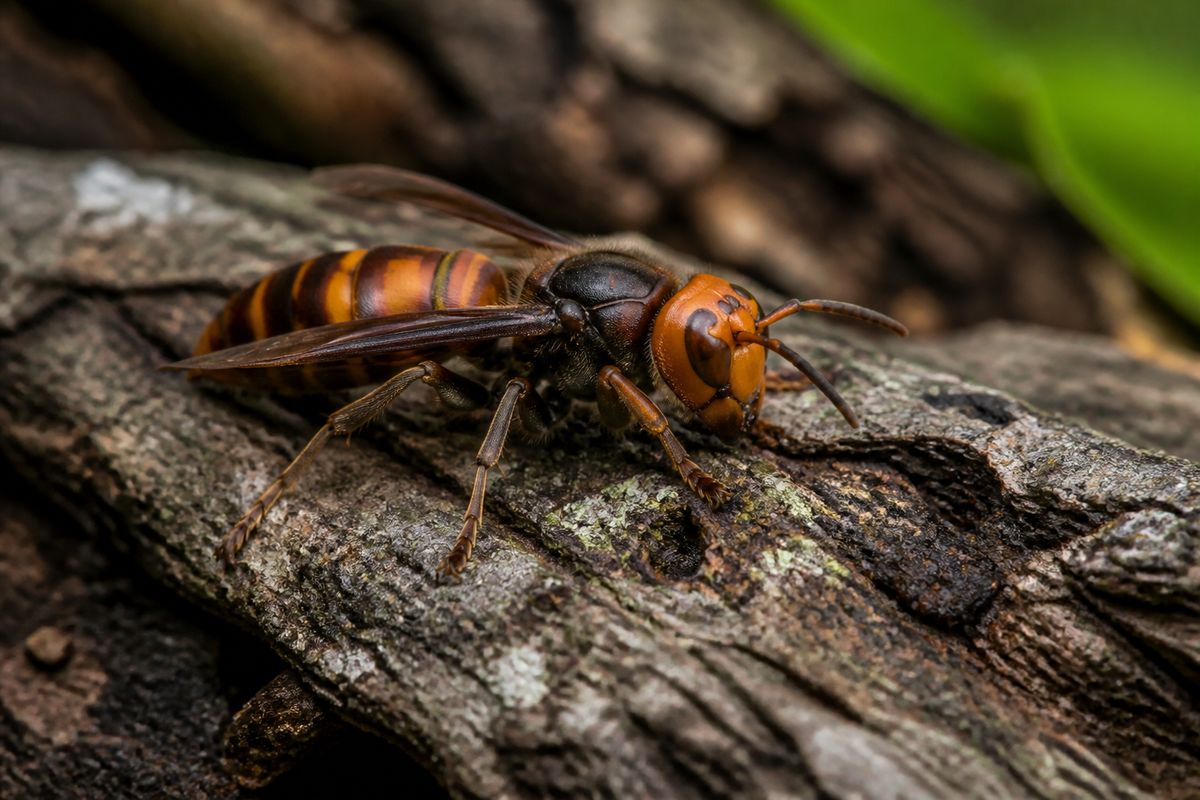
Hornets, fascinating members of the wasp family, intrigue many with their complex social structures and striking appearances. However, understanding where these insects dwell is crucial for those looking to avoid encounters or wanting to appreciate their ecological roles. This article explores hornet habitats, their distribution across various environments, and factors influencing their presence.
What Are Hornets?
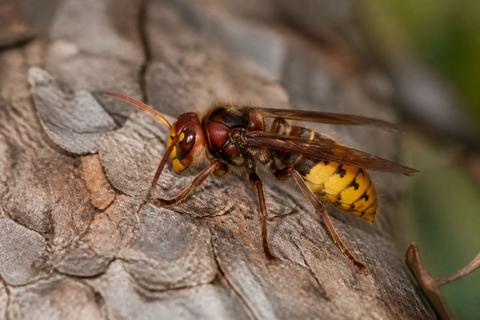
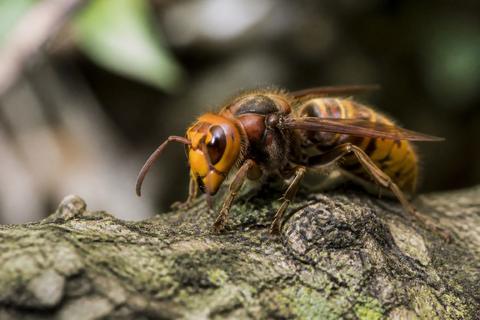
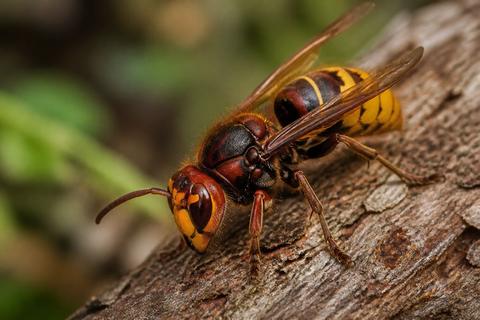
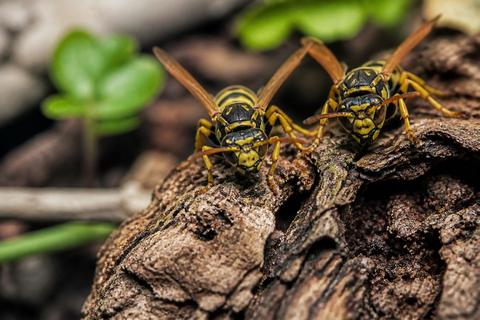
Hornets belong to the family Vespidae and are considered larger relatives of common wasps. The most recognized species in North America is the bald-faced hornet (Dolichovespula maculata), while the European hornet (Vespa crabro) is notable in Europe. With robust bodies, distinctive coloration, and potent stings, hornets play a crucial role in controlling pest populations.
Habitat Preferences of Hornets
Different species of hornets exhibit varying habitat preferences, but they generally thrive in environments that provide adequate shelter, food resources, and nesting opportunities. Here are some key habitat characteristics that attract hornets:
1. Nesting Sites
Hornets build their nests in various locations depending on the species:
-
Aerial Nests: Many hornets construct paper-like nests hanging from trees, shrubs, or under eaves of buildings. The bald-faced hornet is known for its distinctive aerial nests made from chewed wood fibers mixed with saliva.
-
Underground Nests: Some species, such as the European hornet, may prefer to nest underground in abandoned rodent burrows or other sheltered areas.
2. Forested Areas
Hornets are often found in wooded regions where abundant trees provide ideal nesting sites. Forests offer shelter from predators and harsh weather conditions while also presenting plentiful food sources like nectar from flowering plants and other insects.
3. Urban and Suburban Areas
Hornets can adapt well to urban and suburban environments. They often build nests in attics, garages, or gardens. These areas provide easy access to food sources such as trash cans or gardens filled with flowers and pest insects.
4. Agricultural Fields
Agricultural regions also attract hornets due to high insect populations that serve as food sources. Crops susceptible to pests can lead hornet colonies to thrive as they help control those pest populations.
Global Distribution of Hornets
Hornet distribution varies significantly across different regions around the world, influenced by climatic conditions, available habitats, and food sources.
1. North America
In North America, the bald-faced hornet is commonly found across the United States and Canada. Their presence peaks during late summer and early fall when they are most active in foraging for food. European hornets have also been introduced in parts of North America and have adapted well to various environments.
2. Europe
The European hornet is widespread across most of Europe, enjoying habitats ranging from woodlands to urban areas. Other species of wasps and hornets also inhabit specific regions of Europe, adapting to local conditions.
3. Asia
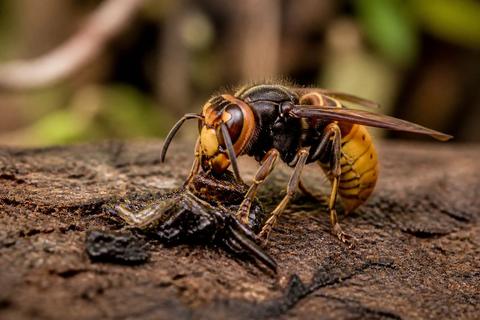
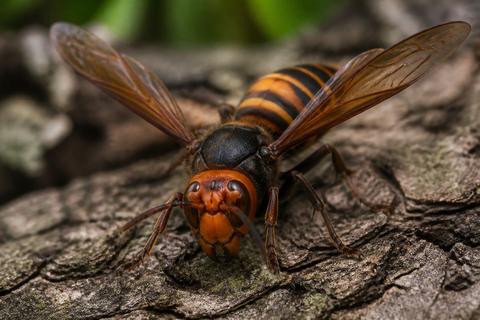
In Asia, especially East Asia (including countries like China, Japan, and Korea), several species of hornets thrive due to favorable climates and diverse ecosystems. The Asian giant hornet (Vespa mandarinia) has gained attention due to its size and aggressive nature but exists within specific geographic boundaries.
4. Africa
Hornets are less prevalent in Africa compared to other continents; however, certain species have been identified in specific regions. The unique climates and habitats influence their distribution patterns across the continent.
5. Australia
In Australia, native species of wasps exist but are not classified as true hornets. The introduction of non-native species might occur through human activity; however, genuine hornet populations are limited.
Factors Influencing Hornet Distribution
Several factors affect the distribution of hornets globally:
1. Climate
Climate plays a crucial role in determining where hornets can thrive. Warmer temperatures generally allow for larger colonies due to longer active seasons. In contrast, colder climates may limit their survival and reproduction rates.
2. Food Availability
As predators that feed on various insects and nectar from flowers, availability directly impacts where hornets establish colonies. Regions rich in blooming plants will naturally attract more hornets seeking nourishment.
3. Nesting Resources
The abundance of materials used for nest-building, such as wood or plant fibers, also influences their distribution. Hornets will gravitate towards regions where these resources are readily available.
4. Human Activity
Human interventions significantly impact hornet populations. Urbanization can destroy natural habitats or provide new nesting sites inadvertently through construction activities or landscaping practices.
Interaction with Humans
Understanding where hornets live is vital for managing human-hornet interactions effectively:
-
Avoiding Nests: If you encounter a hornet nest near your home or workplace, it’s essential to observe from a distance without provoking them.
-
Calling Professionals: For severe infestations or if a nest poses an immediate threat to safety (especially for those allergic), contacting pest control professionals is advisable.
-
Mitigating Attractants: Keeping outdoor areas clean by securing trash cans and removing potential food sources can discourage hornets from establishing nests near human habitation.
Conclusion
Hornets exhibit diverse habitats and distributions worldwide due to their adaptability to various environments ranging from forests to urban settings. Understanding where these fascinating creatures live allows for better coexistence with them while appreciating their ecological roles as pest controllers. Whether you’re observing them from afar or taking steps to minimize encounters during outdoor activities, knowledge about their habits can enhance your appreciation of these remarkable insects while ensuring safety for yourself and your environment.