What Is the Life Cycle of Hornets? Stages and Facts
Hornets are fascinating creatures that belong to the family Vespidae, which also includes wasps and yellowjackets. These social insects play a significant role in our ecosystems as predators of many pests, but their life cycle is equally intriguing. In this article, we will explore the stages of the hornet life cycle and provide interesting facts about these remarkable insects.
Understanding Hornets
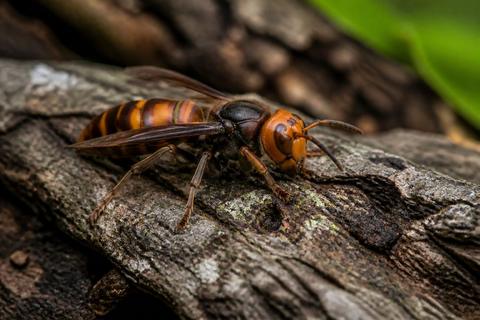
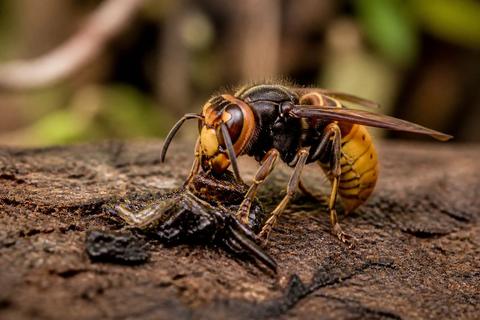
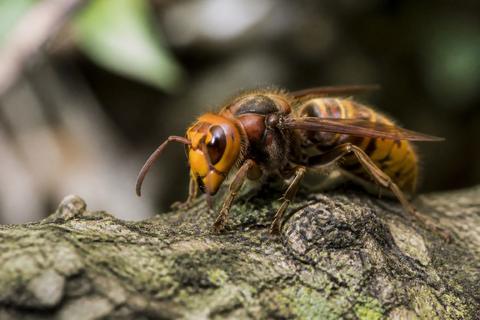
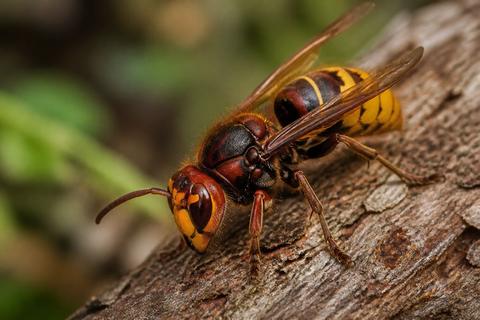
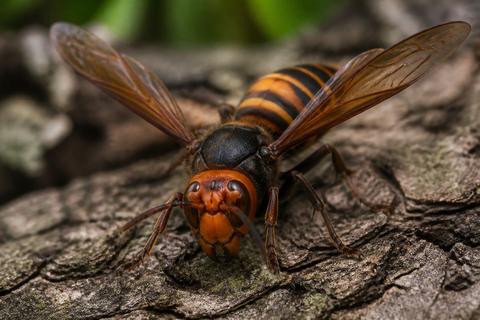
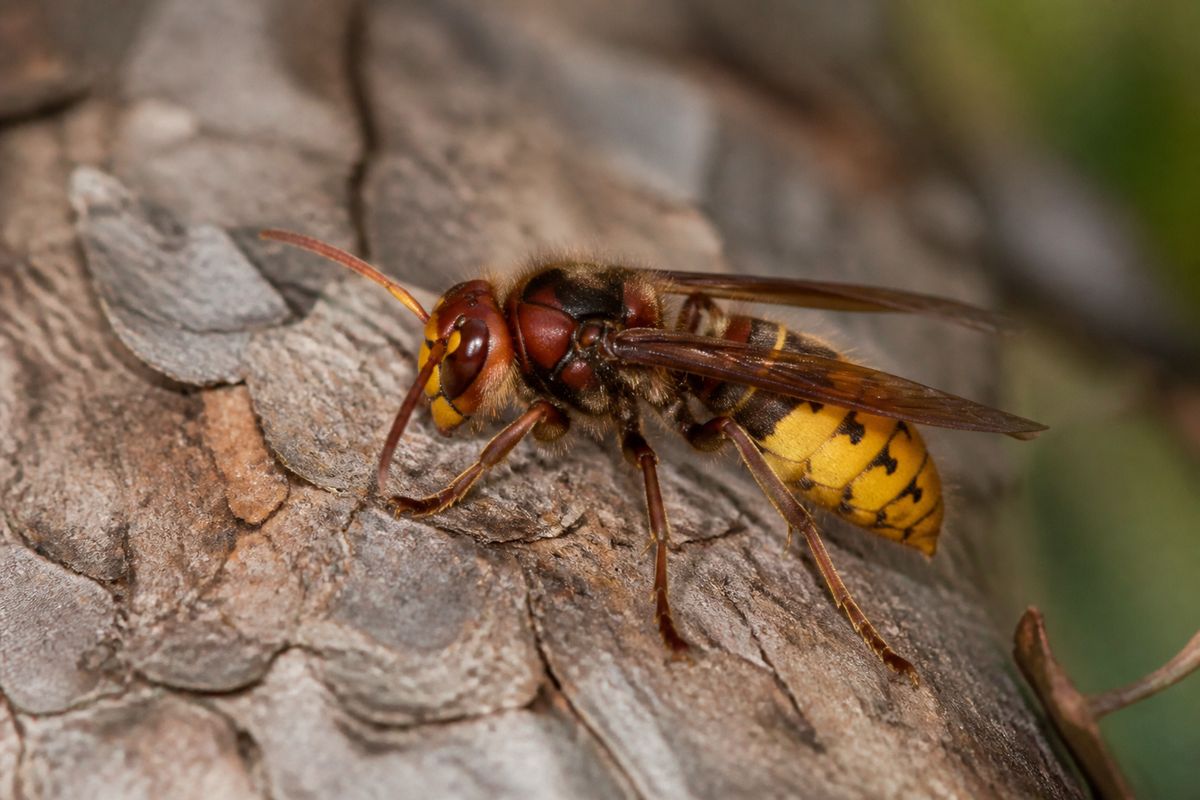
Before diving into the life cycle of hornets, it’s important to understand what they are. Hornets are generally larger than regular wasps, with some species reaching up to 2 inches in length. They are known for their distinctive coloration, often featuring black and yellow stripes. Hornets are social insects, living in colonies that can consist of hundreds to thousands of individuals.
Hornets are primarily found in temperate and tropical regions around the world. They build nests in trees, shrubs, or even man-made structures using chewed wood fibers mixed with saliva to create a paper-like substance.
The Life Cycle of Hornets
The life cycle of hornets consists of four distinct stages: egg, larva, pupa, and adult. This process is known as complete metamorphosis, meaning that the insect goes through several morphological changes during its development. Let’s explore each stage in detail.
1. Egg Stage
The life cycle begins when a fertilized queen hornet lays eggs. In spring, after emerging from hibernation, the queen finds a suitable location to build her nest. She starts laying eggs in small cells within the nest, typically producing anywhere from 10 to 30 eggs initially.
The eggs are small, oval-shaped, and white or cream-colored. They are laid individually and take approximately three to six days to hatch, depending on environmental conditions such as temperature and humidity.
2. Larva Stage
Once the eggs hatch, they develop into larvae. The larval stage lasts for about two to three weeks. During this time, the queen or worker hornets feed the larvae with a diet consisting of proteins like insects and carbohydrates from nectar or honeydew (a sugary substance secreted by aphids).
Larvae appear as small white grubs that resemble maggots. They do not have legs or any visible structures resembling a mature hornet. Instead, they rely on their caretakers for sustenance and protection.
As they grow, larvae molt several times before entering the pupal stage. This rapid growth requires abundant food sources, making hornets effective hunters and gatherers. They often catch insects like flies or caterpillars to feed their young.
3. Pupa Stage
The transformation from larva to adult occurs during the pupal stage. This stage usually lasts about one week but can vary based on species and environmental factors.
During this time, the larva spins a cocoon around itself and undergoes significant physiological changes. It transforms from a worm-like creature into an adult hornet with wings and recognizable body structures.
The pupa is usually white or cream-colored and remains inside the cocoon until it is ready to emerge as an adult hornet.
4. Adult Stage
Once the metamorphosis is complete, adult hornets emerge from their cocoons. At this stage, they are ready to take on roles within the colony, primarily as workers or new queens.
Worker Hornets
Most of the new adults are female workers responsible for various tasks within the colony. Their duties include:
- Building and repairing the nest: Workers continue expanding the nest throughout summer.
- Foraging for food: They search for protein sources (insects) and sugars (nectar) to feed both themselves and their developing brood.
- Caring for larvae: Worker hornets feed and tend to newly hatched larvae until they grow into adults.
- Defending the nest: Workers protect their colony from predators by stinging if necessary.
Queen Hornets
Only a few of the newly emerged females will become queens. These queens will mate with males (drones) later in summer before winter arrives. After mating, fertilized queens will seek shelter to hibernate during colder months while workers die off as temperatures drop.
The Cycle Repeats
As spring approaches again, fertilized queens emerge from hibernation to start a new nest, laying eggs that become larvae, leading to another generation of hornets. This continuous cycle emphasizes how vital each stage is in maintaining healthy populations.
Interesting Facts About Hornets
-
Defense Mechanism: Hornets can sting multiple times without dying; unlike honeybees that die after stinging once.
-
Aggression Levels: While hornets can be aggressive when defending their nests, they are generally not prone to attacking humans unless provoked.
-
Diet Variety: Hornets do not only eat other insects; they also consume nectar from flowers and sugary substances that help sustain energy levels for foraging.
-
Nesting Habits: Some species of hornets build nests entirely underground or inside hollow trees rather than above ground.
-
Species Diversity: There are over 20 different species of hornets worldwide, including European hornets (Vespa crabro) and Asian giant hornets (Vespa mandarinia).
Conclusion
Understanding the life cycle of hornets sheds light on these complex creatures that play essential roles in ecosystems around us. From egg to larva to pupa and finally to adult stages, each phase contributes significantly to colony maintenance and expansion.
As beneficial predators that help manage pest populations, hornets can coexist with humans if we learn to respect their space and understand their behaviors. Rather than viewing them solely as nuisances due to their potential sting, we should appreciate them for their ecological contributions, an appreciation rooted in understanding their fascinating life cycle.