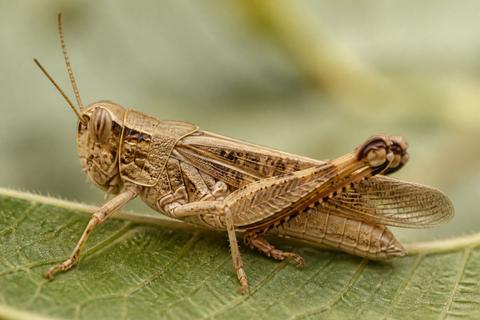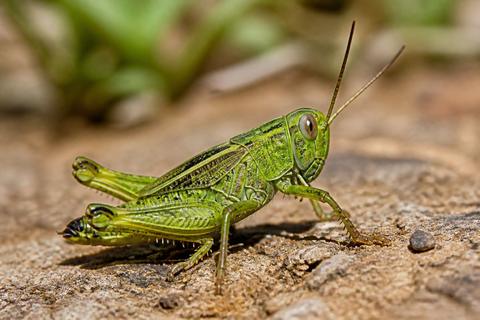
What Do Locusts Eat? Grasses, Crops, and Swarm Feeding
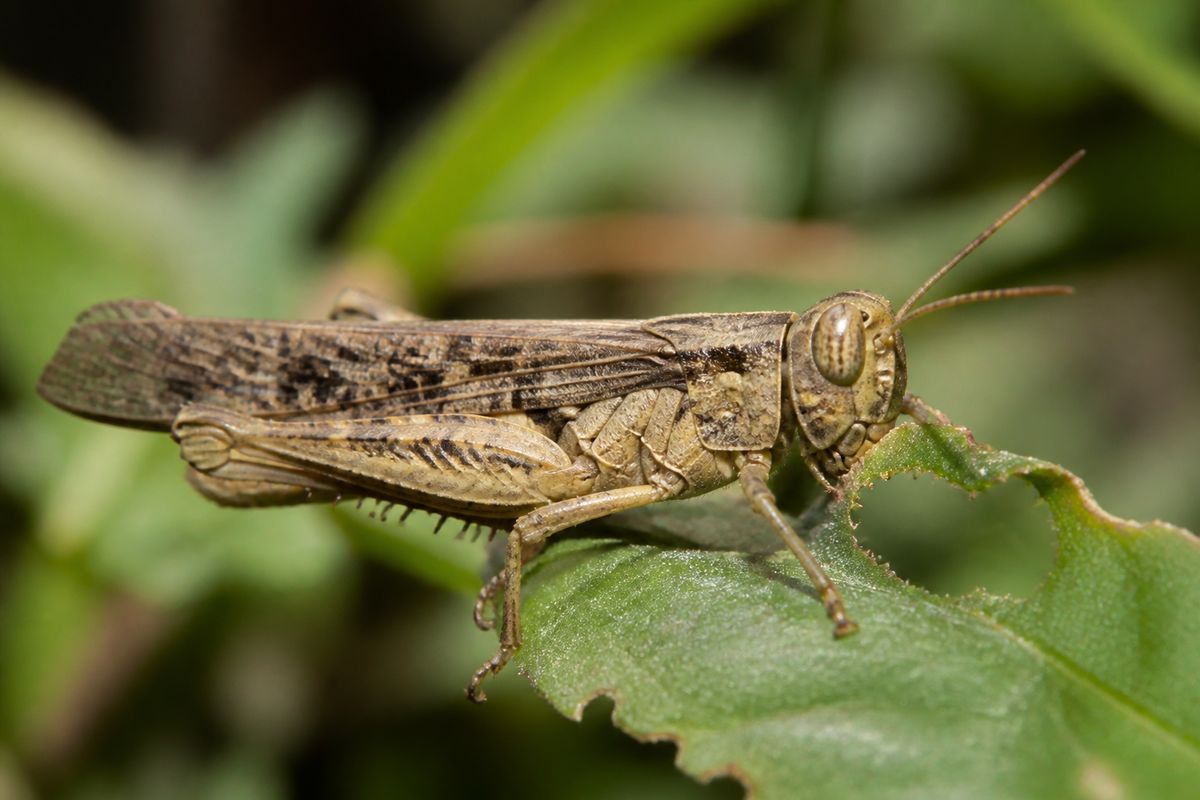
What Do Locusts Eat? Grasses first, then almost anything green in front of them once a swarm forms. A single desert locust eats roughly its own body weight in fresh plant matter each day, about two grams, but that number becomes alarming once you multiply it by tens of millions of insects moving together.
Locusts Are Grasshoppers With a Swarming Switch
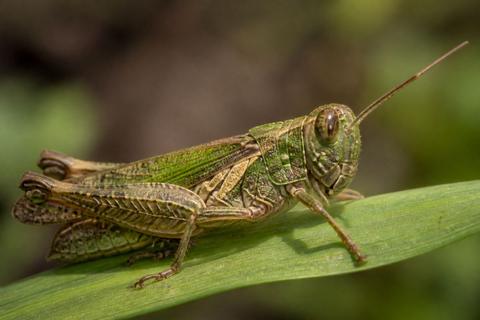
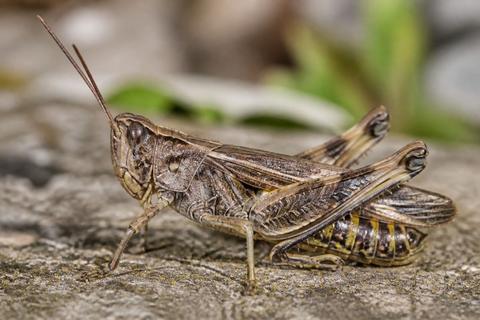
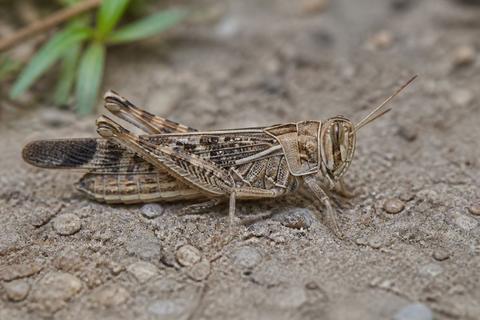
Locust is not a taxonomic category. It is a behavioral label applied to certain grasshopper species in the family Acrididae that can switch from solitary living to dense, coordinated swarms. In the solitary phase, an individual locust behaves like any other grasshopper: it feeds alone, avoids other locusts, and does limited damage. Crowding, driven by rainfall patterns that concentrate vegetation and breeding sites, pushes populations closer together. Repeated physical contact between individuals triggers a shift into the gregarious phase, where locusts actively seek each other out and, over successive generations, gradually change color and body shape as they begin moving and feeding as a unit.
Three Species Behind Most Outbreaks
- Desert Locust (Schistocerca gregaria): during major plagues can affect as many as 60 countries across Africa, the Middle East, and South Asia; the species FAO tracks most closely because of its plague history.
- Migratory Locust (Locusta migratoria): the most widely distributed locust species, found across Africa, Asia, Australia, and parts of Europe.
- Australian Plague Locust (Chortoicetes terminifera): native to Australia's interior, where outbreaks follow above-average rain in the breeding regions.
What Locusts Actually Eat
Grasshoppers in the family Acrididae are almost entirely herbivorous, feeding on grasses, sedges, and broadleaf plants known as forbs. Locusts follow the same pattern, but a swarm's scale and lack of selectivity set it apart from an ordinary grasshopper.
Grasses
Grasses make up the largest share of a locust's diet. Young, tender shoots are preferred because they carry more protein and moisture than mature, fibrous growth. A dense swarm can strip a field of grass down to bare soil within hours.
Leaves and Shrubs
Locusts also chew through the leaves of shrubs and broadleaf plants. Their mandibles are strong enough to cut through tougher leaf tissue than many other grasshoppers can manage, which widens the range of plants a swarm can damage.
Cereal and Field Crops
Crop damage is what makes locusts an agricultural threat rather than just an ecological curiosity. Swarms target:
- Cereals: wheat, barley, millet, sorghum, and rice are frequent targets during outbreaks in Africa and Asia.
- Legumes: beans, peas, and other pulse crops.
- Fruit and vegetable crops: melons and other high-moisture produce, especially during dry spells when water-rich plants stand out.
A one-square-kilometer desert locust swarm can hold 40 to 80 million adults, and FAO estimates that a swarm at the lower end of that range eats as much food in a day as roughly 35,000 people. Plagues on this scale have historically threatened food security across large parts of Africa and the Middle East.
Flowers and Backup Vegetation
Locusts will eat flower petals and nectar, though far less often than grass or leaves. When preferred food runs out, a swarm shifts to weeds, cotton, and other cultivated plants it would normally pass over.
How Feeding Changes Between Phases
A solitary locust grazes the way most grasshoppers do: it clips off small amounts of plant material, moves a short distance, and repeats, doing little visible damage to a landscape.
Gregarious Feeding
Once locusts shift into the gregarious phase, feeding becomes a coordinated, high-speed operation:
- Group feeding: swarms settle on the same patch of vegetation simultaneously, stripping it far faster than the same number of solitary insects would.
- Constant relocation: after exhausting one area, a swarm moves on immediately, which is part of why locust plagues can cross national borders within days.
What Locusts Need Nutritionally
Protein for Growth
Nymphs, the wingless juvenile stage, need protein-heavy food such as young leaves and legumes to molt through five nymphal stages before reaching adulthood.
Carbohydrates for Flight
Adult locusts draw energy for sustained flight mainly from carbohydrates in grasses and other green plants. That fuel supports swarms that can cover up to 150 kilometers in a single day when the wind cooperates.
Moisture
Succulent, moisture-rich plants matter more during dry periods, when locusts lean on food-derived moisture to stay hydrated rather than seeking out standing water.
Diet's Role in Triggering Swarms
- Food availability: after good rains spread vegetation over a wide area, locusts stay spread out and solitary.
- Population density: when rain is patchy and vegetation is concentrated in small patches, locusts crowd together around the same food, and crowding itself is the trigger for gregarious behavior.
- Breeding conditions: soil moisture and temperature affect egg survival, which determines how many nymphs hatch into a shrinking food supply the following season.
Why It Matters for Farmers
A locust's diet is unremarkable at the individual level and severe at swarm scale. Knowing which crops and growth stages are most vulnerable, cereals early in the season especially, helps farmers time monitoring and control efforts around FAO and national locust-watch alerts rather than reacting after a swarm has already arrived.