What Are The Benefits of Grasshoppers as a Protein Source
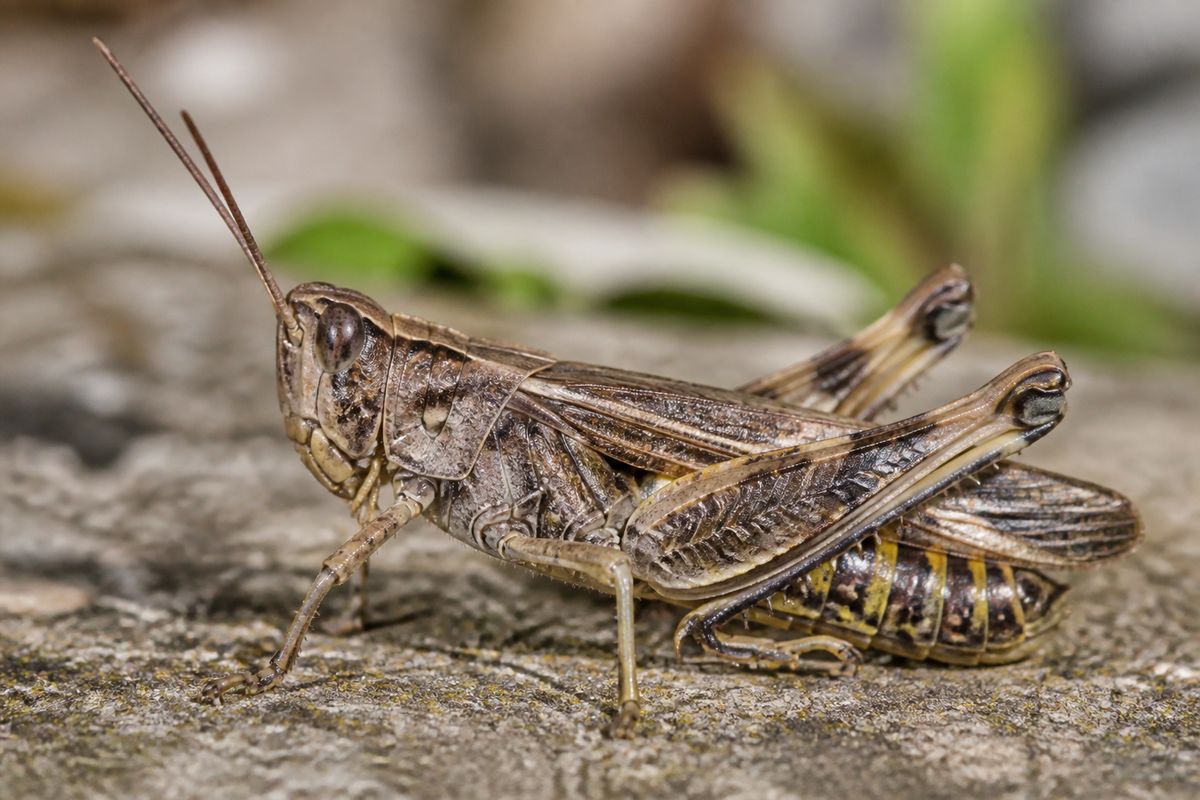
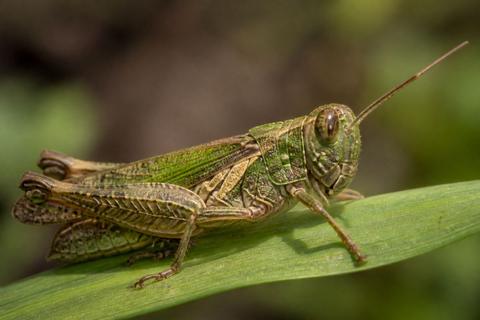
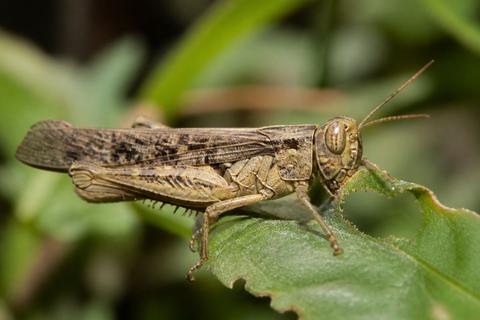
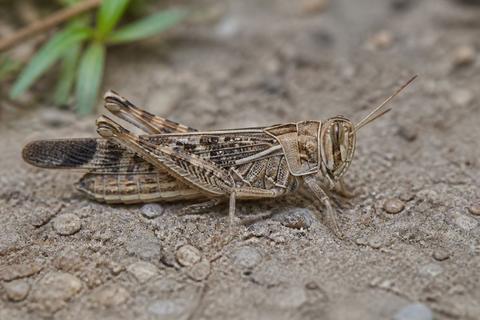
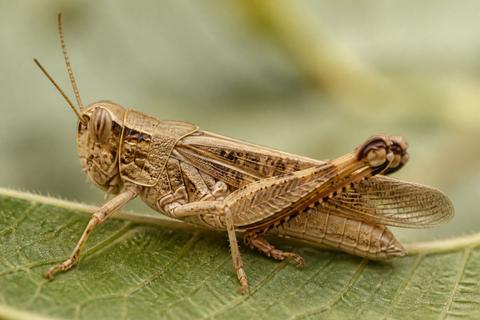
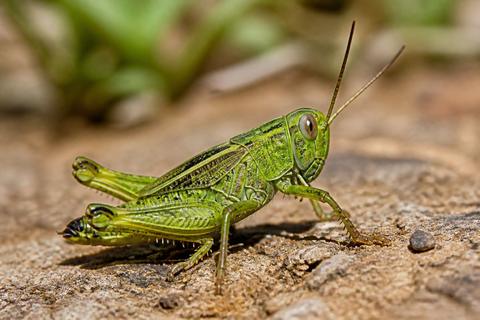
What Are The Benefits of Grasshoppers? The short answer is protein, low-input farming, and a smaller carbon footprint than cattle or pigs. Grasshoppers have been eaten in Mexico, Thailand, Uganda, and dozens of other countries for generations, and food scientists are now studying them as a practical protein source for a growing population.
Protein and Nutrient Content
Protein Density
Grasshoppers, crickets, and locusts (order Orthoptera) average about 61% protein on a dry-weight basis, the highest of any commonly eaten insect group, according to a review of edible insects as a protein source published in Advances in Food and Nutrition Research. Exact numbers vary by species and diet, with some farmed grasshoppers testing higher and others lower.
Iron, Zinc, and B Vitamins
Locusts contain 8 to 20 mg of iron per 100 g of dry weight, depending on species and diet, compared with about 6 mg per 100 g in beef, according to the UN Food and Agriculture Organization. Grasshoppers also supply zinc and B vitamins, including B12, which most plant foods lack entirely.
Fat Profile
The fat in grasshoppers runs lower than in beef or pork, and a larger share of it is unsaturated. That makes grasshoppers a leaner option gram for gram, though exact fat content shifts with species, life stage, and what the insect was fed before harvest.
Lower Emissions Than Cattle
No Detectable Methane
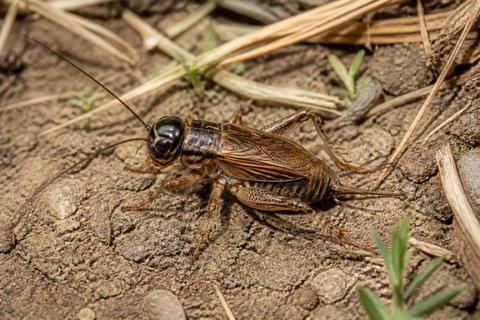
In a Wageningen University study published in PLOS ONE, the migratory locust (Locusta migratoria), house cricket, and mealworm produced no measurable methane at all, unlike cattle, which release methane through rumen fermentation. The same study found these insects' total greenhouse gas output was far below published figures for pigs and cattle.
Less Land and Water Per Kilogram
Grasshoppers are cold-blooded, so unlike cattle, they don't burn feed energy to maintain body heat. They can also be raised in stacked bins rather than open pasture, which cuts the land footprint for the same amount of protein produced.
Farming Costs and Local Economies
Low Startup Cost
A grasshopper or cricket farm can start with plastic bins, mesh netting, and agricultural byproducts as feed, at a fraction of the capital needed for a cattle or poultry operation. Smallholder insect farms have become a source of side income in parts of Thailand, Cambodia, and Kenya.
New Roles in Processing and Sales
As insect farming scales up, it creates work beyond the farm itself: drying and roasting facilities, flour milling, packaging, and direct sales at markets. In regions where grasshoppers are already a familiar food, this work builds on existing skills rather than requiring a new industry from scratch.
Cooking and Cultural Uses
Preparation Methods
Toasted or fried grasshoppers, known as chapulines in southern Mexico, are seasoned with lime, garlic, and chile and eaten as a snack or taco filling. Dried grasshoppers are also ground into flour for baking, which sidesteps the crunchy-insect factor that puts off some first-time eaters.
Long-Standing Food Traditions
In Oaxaca, chapulines have been sold in markets for centuries and remain a regional specialty rather than a novelty. Similar traditions exist across parts of Africa and Southeast Asia, where grasshoppers and locusts are seasonally harvested and sold fresh, dried, or fried.
Digestive and Allergy Considerations
Fiber and Chitin
Grasshopper exoskeletons contain chitin, a fiber that human digestive enzymes cannot fully break down. Some early research suggests chitin may act as a prebiotic and support gut bacteria, though this is an active area of study rather than a settled finding.
Shellfish Cross-Reactivity
Grasshoppers are arthropods, the same broad group as shrimp and crab, and people with shellfish allergies can react to insect protein for the same reason: tropomyosin, a shared muscle protein. Anyone with a shellfish allergy should treat grasshoppers with the same caution.
Why Grasshoppers Aren't on More Plates Yet
Regulation Still Catching Up
Food safety rules for farmed insects are still being written in many countries, including inspection standards, allowable species, and labeling requirements. The European Union has approved several insect species as "novel foods" in recent years, but the United States still handles edible insects on a more case-by-case basis.
The Yuck Factor
Cultural unfamiliarity remains the biggest barrier in the US and Europe, where insects are associated with pests rather than food. Grinding grasshoppers into flour or protein bars, rather than serving them whole, is the approach most producers use to work around this.
Grasshoppers as a Practical Protein Option
Grasshoppers deliver a protein-dense, iron-rich food that can be farmed with less land, water, and methane than cattle, and communities from Oaxaca to Uganda have relied on them as food for generations. Regulatory clarity and consumer habits, not the insects themselves, are what stand between grasshoppers and wider use as a mainstream protein source.
Sources
- Advances in Food and Nutrition Research (NCBI/PMC) - Liceaga, "Edible insects, a valuable protein source from ancient to modern times"
- UN Food and Agriculture Organization (FAO) newsroom
- PLOS ONE - Oonincx et al., "An Exploration on Greenhouse Gas and Ammonia Production by Insect Species Suitable for Animal or Human Consumption" (Wageningen University)