How Do Locusts Contribute to the Ecosystem? Frass, Prey, Soil
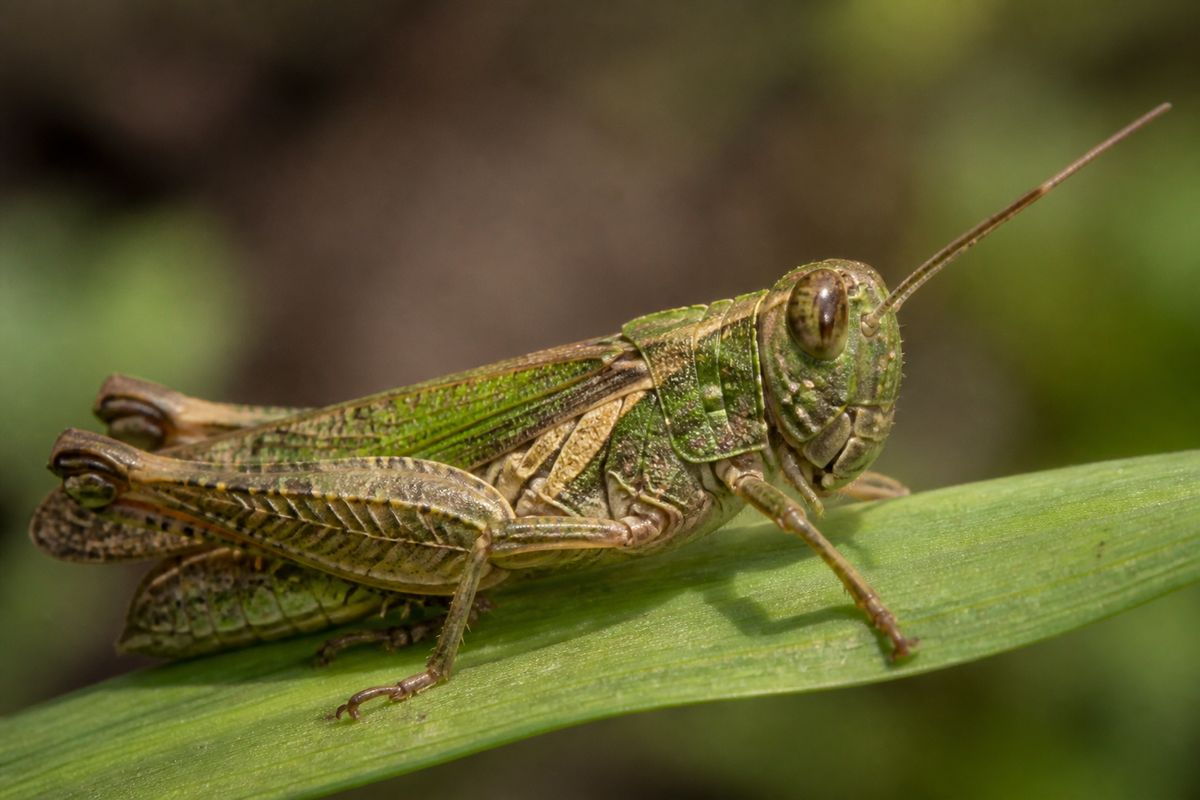
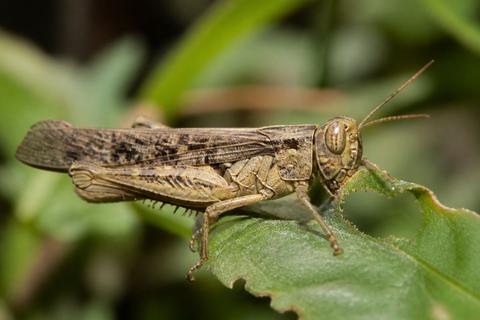
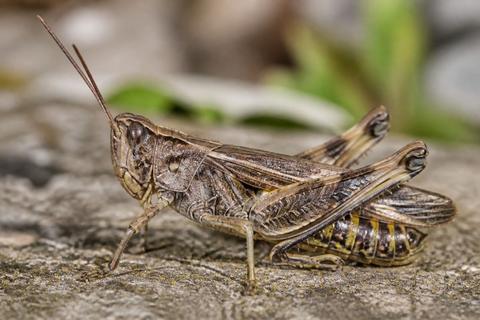
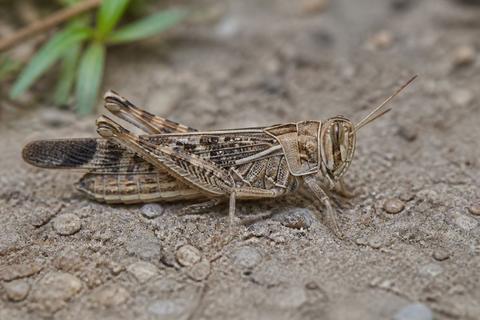
How do locusts contribute to the ecosystem, given that a single swarm can strip a field bare in hours? Outside of plague years, locust species spend most of their lives in a solitary phase, feeding on grasses and forbs without forming the dense bands that make headlines. In that ordinary state, they cycle nutrients, feed a long list of predators, and turn over soil in ways that outlast any single outbreak.
Nutrient Cycling Through Frass and Carcasses
Locusts eat plant material and excrete frass loaded with nitrogen and phosphorus, the same nutrients fertilizers are built around. Microbes and fungi break this frass down and gradually mineralize the nitrogen, making it available to plant roots again well before tougher material like woody leaf litter would fully break down. USDA's Northern Plains Agricultural Research Laboratory notes that grasshoppers are a native component of U.S. grassland ecosystems, playing a role in nutrient cycling in the same way their closest relatives, locusts, do at higher densities.
What Happens When a Swarm Dies Off
When a locust population crashes after a plague, at the end of a season or from disease, the dead bodies decompose in bulk. That pulse of protein and fat returns to the soil at once instead of trickling in the way it would from scattered grasshoppers, giving a short-lived but real boost to soil fertility in the area the swarm passed through.
Feeding Pressure Can Reset Plant Growth
Light to moderate grazing by locusts clips back dominant grasses, which can free up light and space for other plant species to establish. This is the same principle behind rotational grazing with livestock: removing standing biomass periodically, rather than never, tends to keep a wider mix of plants in a grassland.
A Food Source Other Species Depend On
Locusts and their grasshopper relatives sit near the base of many food chains. Birds, reptiles, small mammals, and predatory insects all take them as prey, and in the U.S. grassland birds are especially reliant on them during the nesting season, when growing chicks need concentrated protein fast.
Birds That Time Nesting Around Locust Abundance
Species such as meadowlarks, longspurs, and shrikes shift heavily toward grasshoppers and locusts when raising young, because a single large insect delivers more protein per trip than many smaller prey items. A crash in locust numbers during a breeding season can reduce nestling survival for birds that time their broods around this food supply.
Swarms Reshape Competition for Food
When a locust swarm moves through an area, it can strip vegetation fast enough to outcompete resident grasshoppers, small mammals, and grazing livestock for the same forage. That pressure temporarily shifts which species can persist in the area until plants recover, which is part of why outbreak years show different animal community patterns than quiet years.
Effects on Soil Structure
Locust nymphs move and burrow through loose topsoil as they feed and molt, which loosens compacted ground and improves how well water and air penetrate it. That physical disturbance, combined with the organic matter added through frass, supports the microbial communities that keep breaking plant debris down into usable nutrients.
Locust Numbers as an Environmental Signal
Because locust populations respond quickly to rainfall, vegetation, and temperature, sudden swings in their numbers often flag a change in the surrounding environment before it shows up elsewhere. A population boom frequently follows a wet season that greened up normally dry ground, and researchers increasingly cross-reference soil moisture and vegetation data with locust reports to forecast outbreaks earlier.
A Long History as Human Food
Locusts have been eaten by people for centuries, and that history is not incidental to their ecological story: harvesting swarms for food is one of the oldest forms of locust control, removing biomass from the landscape while providing a dense source of protein. Roasted or dried locusts remain part of the diet in parts of Africa, the Middle East, and Asia, particularly during outbreak years when other food sources are under pressure from the same swarms.
Weighing the Damage Against the Role
A large desert locust swarm can pack up to 80 million adults into a single square kilometer, and a swarm that size eats roughly as much food in a day as 35,000 people would. The FAO's Desert Locust program documents this scale directly, and it is why outbreaks remain a genuine threat to food security in affected regions. That destructive potential does not cancel out the nutrient cycling, predator support, and soil turnover locusts provide the rest of the time. Managing them well means targeting outbreaks without treating every locust as a problem to eliminate.