What Are the Characteristics of Hornets? Size, Color, and Behavior
Hornets are fascinating insects that are often misunderstood. Belonging to the family Vespidae, hornets are a type of wasp and play an essential role in ecosystems as predators and pollinators. In this article, we will explore the characteristics of hornets, focusing on their size, color, and behavior.
Size of Hornets
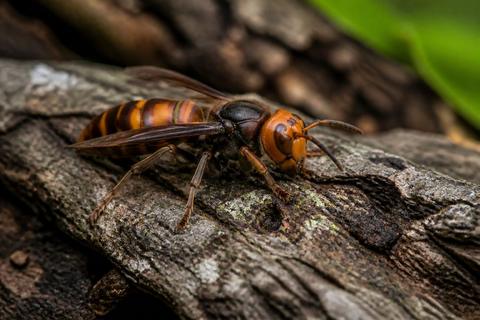
Hornets vary significantly in size depending on the species. Generally speaking, hornets are among the largest wasps. The most common species in North America is the bald-faced hornet (Dolichovespula maculata), which typically measures about 0.5 to 0.75 inches (1.3 to 1.9 cm) long. Conversely, the Asian giant hornet (Vespa mandarinia), which has gained attention due to its size and potential impact on local bee populations, can grow up to 2 inches (5 cm) in length.
Comparison with Other Wasps
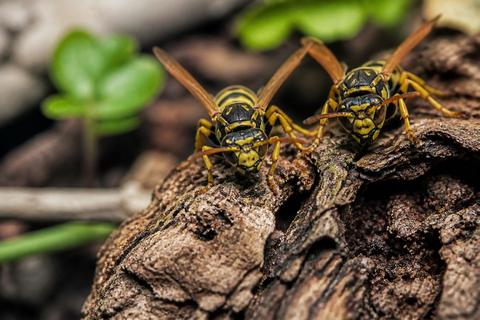
When compared to other wasps, such as yellowjackets or paper wasps, hornets are generally larger and more robust. Yellowjackets usually range from 0.5 to 0.9 inches (1.3 to 2.3 cm), while paper wasps measure between 0.5 to 1 inch (1.3 to 2.5 cm). The significant size difference can be attributed to their specific ecological roles and habitats.
Life Cycle Stages
Hornets undergo complete metamorphosis, which includes four distinct life stages: egg, larva, pupa, and adult. The queen hornet can lay hundreds of eggs during her lifetime. The larvae develop inside the nest and emerge as adults in a matter of weeks, contributing to the rapid growth of the colony during peak season.
Color of Hornets
The coloration of hornets can be quite striking and varies by species. Commonly, they exhibit bold patterns that help them stand out in their environment.
Common Color Patterns
- Bald-Faced Hornet: This species is predominantly black with white markings on its face and abdomen.
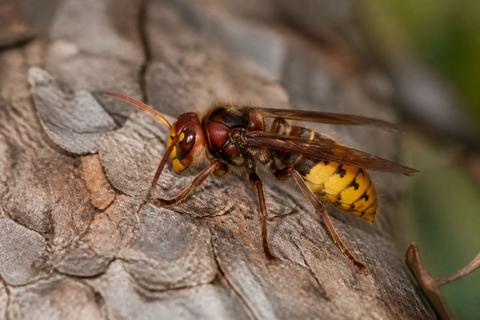
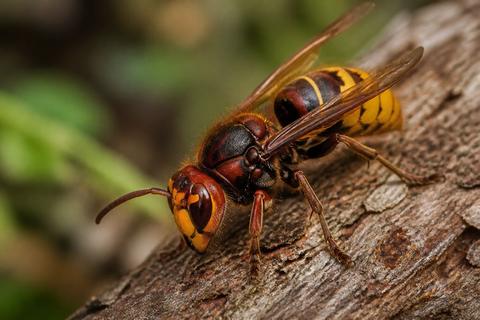
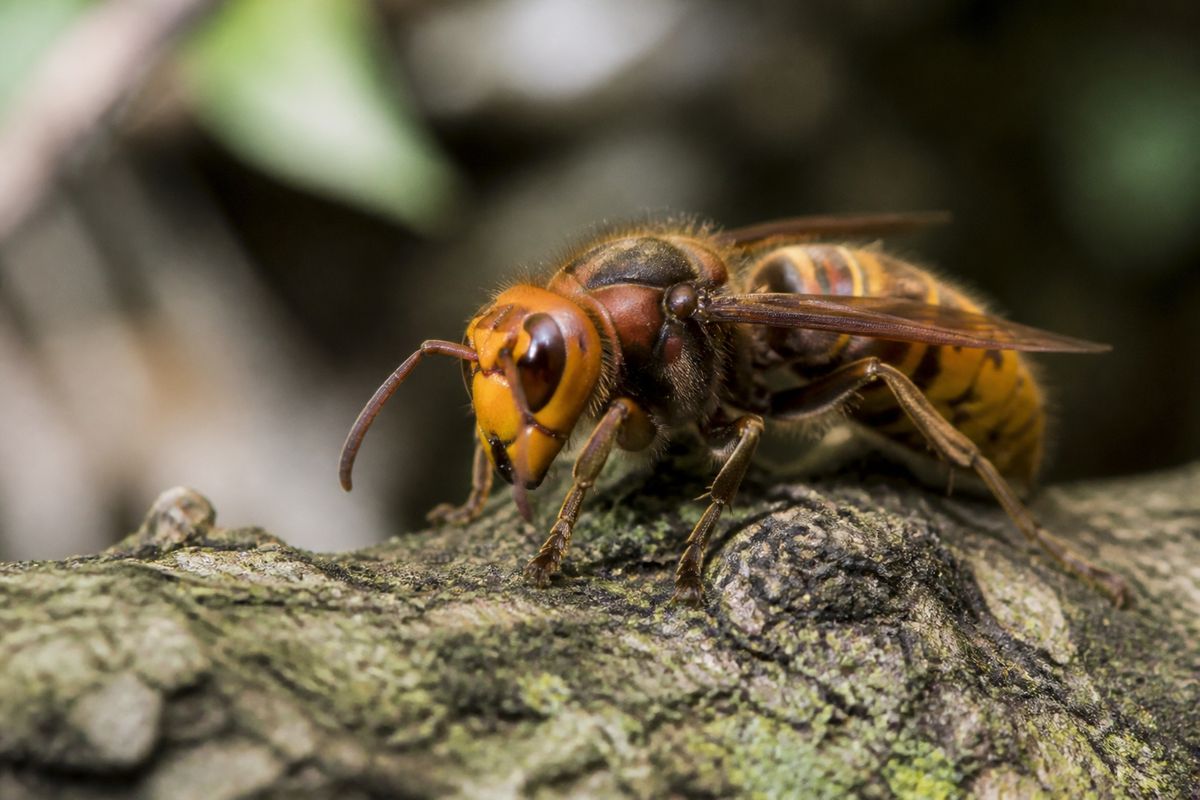
- European Hornet (Vespa crabro): This species exhibits a yellow-brown body with reddish-brown bands across its abdomen.
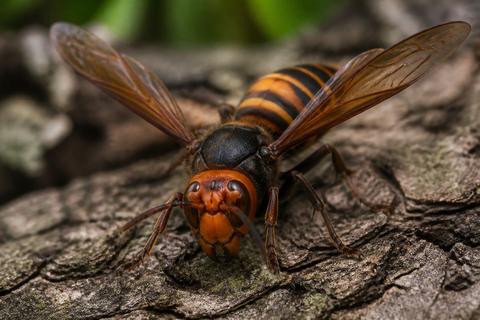
- Asian Giant Hornet: Known for its distinctive orange-yellow head and large yellow-orange bands on its abdomen.
These color patterns serve not only as a warning signal to potential predators but also play a role in communication within the species.
Purpose of Coloration
The bright colors of hornets serve multiple purposes:
- Camouflage: Depending on their habitat, their colors help them blend in with flowers or foliage.
- Warning Signaling: Bright colors often indicate danger or venomous capabilities, deterring potential threats.
- Species Identification: Distinctive color patterns allow for easy identification among various species of hornets.
Behavior of Hornets
Hornets exhibit various behaviors that make them unique among insects.
Social Structure
Hornets live in colonies that can range from a few dozen to several thousand individuals, depending on the species and environmental conditions. The social structure typically consists of:
- Queen: The primary reproductive female responsible for laying eggs.
- Workers: Sterile females that perform tasks such as foraging for food, building nests, and caring for larvae.
- Drones: Males whose sole purpose is to mate with queens.
Nest Building
Hornets are known for constructing intricate nests made from chewed wood fibers mixed with their saliva, creating a papery substance known as papyrus. These nests can vary in shape and size from small structures housing just a few dozen individuals to large aerial nests containing thousands.
Nests are usually built in sheltered locations such as tree branches, shrubs, attics, or eaves of buildings. These locations provide protection from weather elements and predators while allowing easy access to food sources.
Foraging Behavior
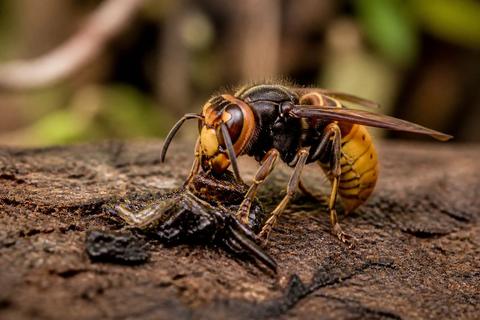
Hornets are opportunistic feeders and have diverse diets consisting mainly of protein-rich foods like insects and sugary substances such as nectar and fruit juices. Worker hornets venture out during the day to forage for food; they often hunt other insects like caterpillars or flies, bringing them back to the nest for feeding larvae.
Aggressive Defense Mechanisms
While hornets can be beneficial due to their predatory nature towards pests, they are known for their territorial behavior when defending their nests. If they perceive a threat, be it from humans or animals, they may become aggressive.
Hornets possess powerful stingers capable of delivering painful venom. Unlike bees that die after stinging once, hornets can sting multiple times if they feel threatened or provoked.
Communication
Hornets communicate through a combination of pheromones and physical signals. Pheromones play a crucial role in alerting colony members about threats or food sources. Additionally, physical movements such as dance patterns help convey information regarding foraging routes or nest defense activities.
Conclusion
Hornets are an intriguing group of insects characterized by their impressive size, distinct coloration, and complex behaviors. Understanding these traits not only helps us appreciate their ecological importance but also allows us to coexist more safely with these remarkable creatures.
Whether you encounter a bald-faced hornet buzzing around your garden or hear about the infamous Asian giant hornet making headlines, recognizing their characteristics will enhance your knowledge of these fascinating insects. Their role as both predators and pollinators underscores the delicate balance within our ecosystems, reminding us that even seemingly intimidating creatures have crucial roles to play in nature’s grand design.