How to Identify Hornets: Identification Tips
Hornets are a fascinating group of insects that often spark curiosity and concern among homeowners and nature enthusiasts alike. Understanding how to identify hornets is crucial for distinguishing them from similar species, particularly as some can be quite aggressive when threatened. This article will provide you with essential tips and information to accurately identify hornets, their characteristics, behaviors, and habitats.
What Are Hornets?
Hornets belong to the family Vespidae, which includes wasps and yellow jackets. Unlike other wasps, hornets are generally larger and tend to have a more robust body structure. The most common species in North America is the European hornet (Vespa crabro), although several other species also inhabit this region.
Hornets play a vital role in the ecosystem as predators of pest insects, thus helping maintain ecological balance. However, their nests can pose a risk to humans due to their painful stings, so knowing how to identify them can help you manage encounters effectively.
Physical Characteristics of Hornets
Size and Shape
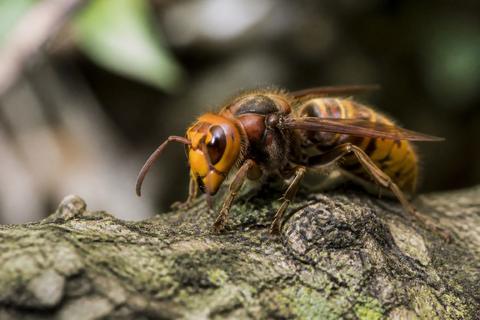
One of the first indicators of a hornet is its size. Hornets are typically larger than most wasps, ranging from 0.5 inches to 2 inches in length. Their bodies are usually stout and robust compared to the slender bodies of other wasps.
Coloration
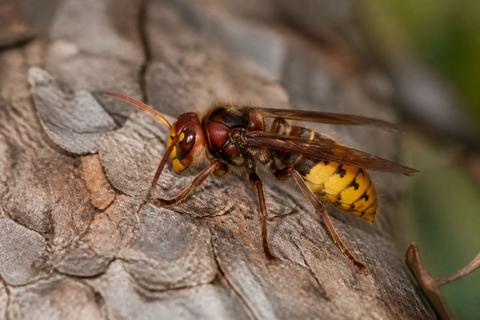
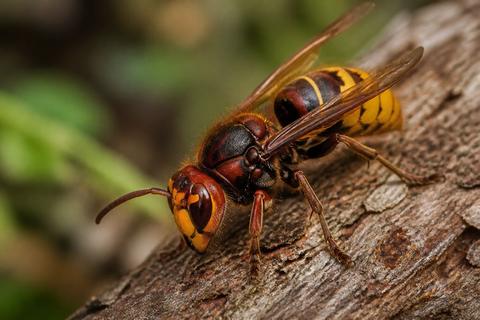
Hornets generally exhibit a distinctive coloration that includes black, yellow, and white patterns. The European hornet, for instance, has a brownish body with yellow stripes on its abdomen. Other species may feature variations in color but typically maintain that contrasting pattern.
Wings
Hornets have two pairs of wings that are elongated and transparent. When at rest, their wings may fold over their bodies or be held slightly outstretched. The size of the wings in relation to the body can help differentiate hornets from other wasps; hornet wings tend to be broader.
Antennae
The antennae of hornets are long and segmented. They usually appear longer than those of many other wasp species. This feature can help with identification when observing the insect up close.
Stinger
Hornets possess a prominent stinger, which they use for defense. While the stings of many wasps can be painful, hornet stings are often more intense due to the amount of venom they inject. However, appearance alone is not sufficient for identification since all stinging insects have similar stingers.
Behavioral Characteristics
Understanding the behavior of hornets is just as crucial as physical identification.
Nest Building
Hornets build their nests from chewed wood fibers mixed with saliva, resulting in a paper-like material. These nests can vary in size and shape but are typically oval or round and hang from trees, shrubs, or buildings. The nests often start small in spring but can become quite large over time.
Social Structure
Hornets are social insects that live in colonies. A typical hornet colony consists of a queen, worker hornets, and drones. The queen is responsible for laying eggs while worker hornets forage for food and care for the young. Observing these roles can provide insight into whether you are dealing with hornets or solitary wasps like mud daubers.
Aggressiveness
While most hornet species will only sting when provoked, they tend to be more aggressive than other wasps. If you disturb their nest or get too close, they may take flight and chase you away from their territory.
Identifying Common Hornet Species
European Hornet (Vespa crabro)
The European hornet is one of the largest species found in North America and is easily recognizable by its yellow-brown coloration with distinct yellow stripes on its abdomen. This species is known for its defensive nature and builds large aerial nests in tree cavities or attics.
Bald-Faced Hornet (Dolichovespula maculata)
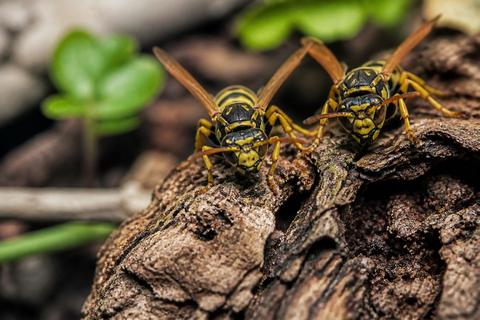
Contrary to what its name suggests, the bald-faced hornet is actually a type of wasp rather than a true hornet. It has a black body adorned with white markings on its face and abdomen. These insects build large paper nests suspended from tree branches or gutters.
Asian Giant Hornet (Vespa mandarinia)
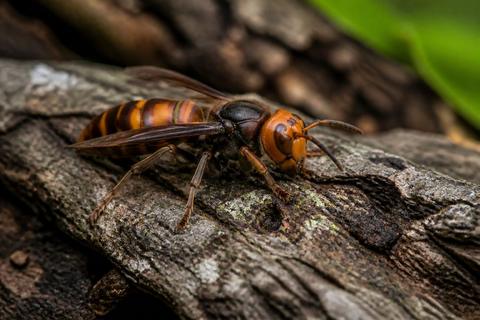
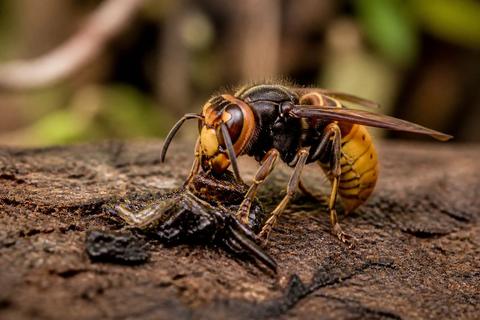
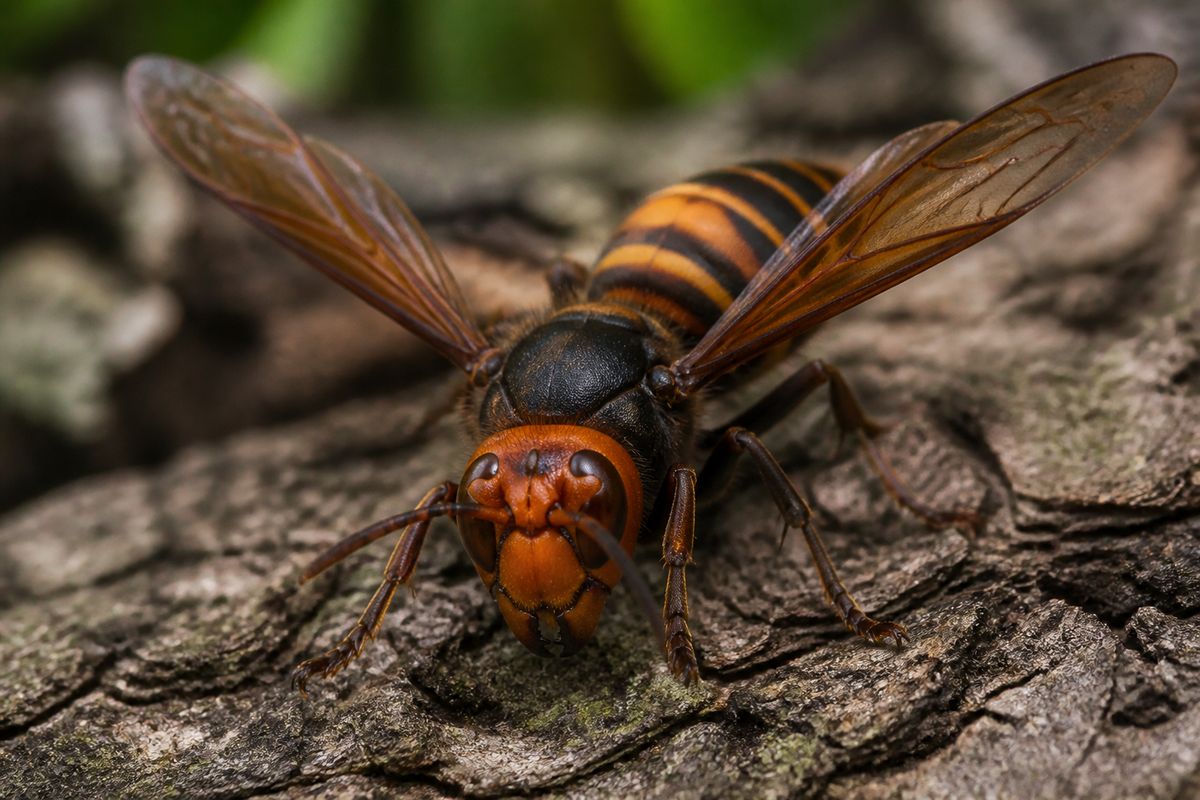
Known for its size, sometimes reaching up to 2 inches, the Asian giant hornet has distinct orange-yellow features on its head with a darker body. Although not native to North America, it has garnered attention due to reports of sightings in various states.
Habitat Preferences
Hornets thrive in varied habitats but prefer areas where they can easily find food sources like nectar from flowers or other insects for protein. Common nesting sites include:
- Trees: Many species prefer nesting high up in trees.
- Shrubs: Low-lying bushes can also serve as good nesting sites.
- Buildings: Hornets often build nests in attics, under eaves, or within wall cavities.
Seasonal Behavior
Hornet activity fluctuates throughout the seasons:
- Spring: Newly mated queens emerge from hibernation and begin building nests.
- Summer: Colonies reach their peak size as workers expand the nest and brood rearing increases.
- Fall: As temperatures drop, colonies prepare for winter by producing new queens while worker numbers decline.
- Winter: Established colonies die off except for fertilized queens that hibernate until spring.
Safety Precautions When Identifying Hornets
While identifying hornets can be interesting and educational, it’s essential to prioritize safety:
- Keep Your Distance: Avoid disturbing nests; observe them from afar if possible.
- Wear Protective Clothing: If you must get close for identification or removal purposes, wear long sleeves and protective gear.
- Know When to Call Professionals: If you suspect you have a significant infestation or encounter aggressive behavior from a nest, consider contacting pest control experts.
When to Seek Help
If you’ve identified that you have an active hornet nest on your property and feel uncomfortable dealing with it yourself, it’s best to contact professional pest control services. They have the knowledge and equipment needed to safely remove hornet nests without endangering you or your family.
Conclusion
By understanding the various characteristics of hornets, ranging from physical traits to behavioral aspects, you can confidently identify these fascinating insects while also knowing how to safely manage encounters with them. Whether you’re an enthusiast observing nature or someone facing potential infestations at home, this knowledge equips you well against both curiosity and caution regarding these remarkable creatures. Remember that education leads to respect; treating these insects with consideration ensures both your safety and their vital role within our ecosystems continues unabated.