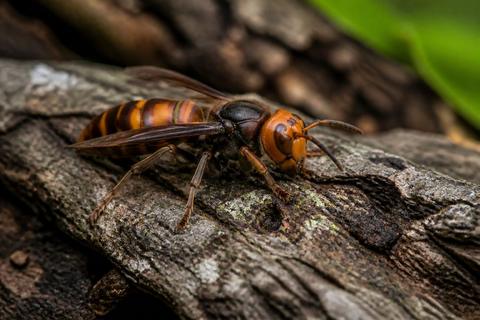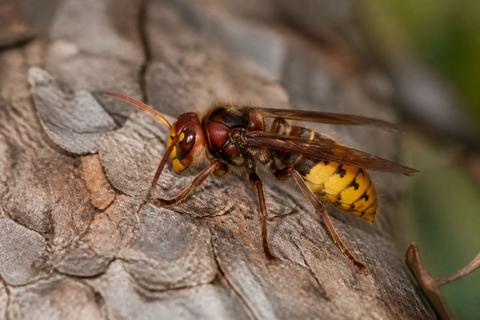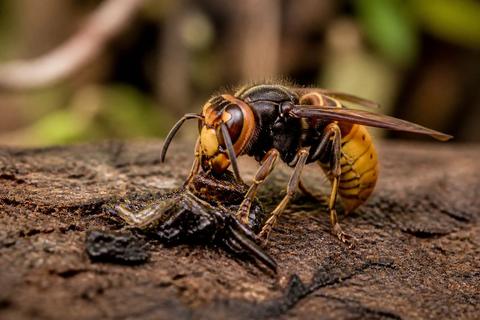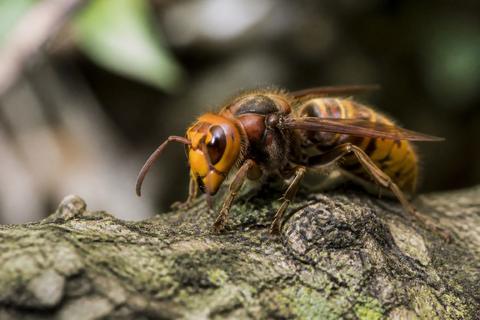
Where Do Yellowjackets Live? Habitat and Distribution Guide
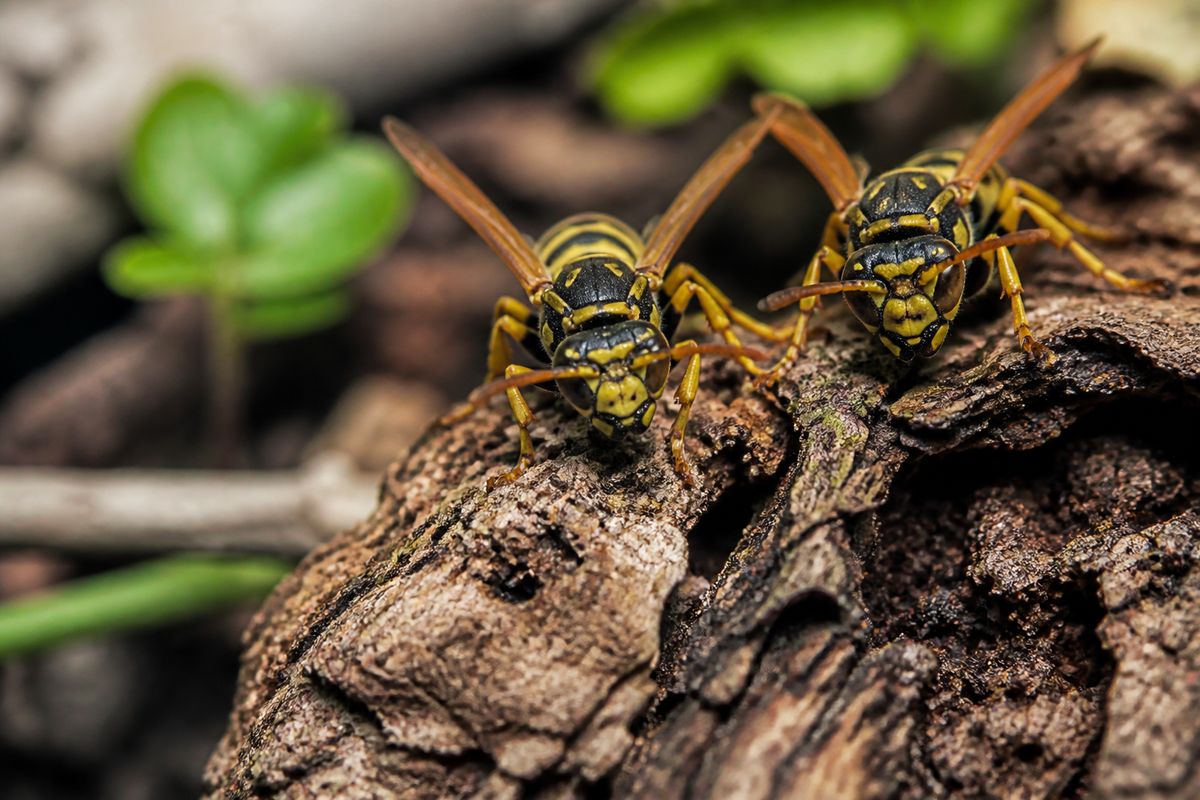
Yellowjackets are a common sight throughout many regions of the United States and beyond. These wasps, easily recognized by their distinctive black and yellow coloration, are notorious for their aggressive behavior and painful stings. While they can be quite a nuisance, understanding their habitat and distribution can help you coexist with them more comfortably. This article will delve into the preferred living conditions of yellowjackets, their nesting habits, and how their presence varies across different geographic areas.
What Are Yellowjackets?
Before exploring where yellowjackets live, it’s essential to understand what they are. Yellowjackets belong to the Vespidae family and are closely related to other wasps, bees, and hornets. They are social insects that live in colonies, with some species known to produce thousands of individuals within a single nest. Yellowjackets play an important ecological role as predators of pests, but their aggressive nature makes them a concern for many people.
Habitat Preferences
Yellowjackets thrive in a variety of habitats due to their adaptability. They can be found in both urban and rural environments. Here are some key aspects of their habitat preferences:
1. Nesting Sites
Yellowjackets typically build nests in sheltered locations that provide protection from weather and predators. Some common places where they establish their colonies include:
- Underground Burrows: Many yellowjacket species prefer nesting underground in abandoned rodent burrows or in shallow holes. This provides insulation and protection from the elements.
- Trees: Some species construct their nests in tree branches, often near the trunk or in dense foliage. The nests might be constructed from chewed wood fibers mixed with saliva.
- Structures: Urban environments offer yellowjackets additional nesting opportunities. They often build nests in attics, wall voids, eaves, or other sheltered spaces near human habitation.
2. Environmental Conditions
Yellowjackets thrive in areas that provide abundant food sources and nesting materials. Their preferred habitats usually have:
- Proximity to Food Sources: Yellowjackets are attracted to sweet substances like fruits, sugary beverages, and human food scraps. Locations near outdoor dining areas or picnic spots are particularly inviting.
- Water Sources: Like all living beings, yellowjackets need water for survival. They often settle near ponds, streams, or any area where moisture is available.
- Moderate Climate: While they can adapt to various climates, yellowjackets generally prefer temperate regions with moderate temperatures. Extreme cold can kill off entire colonies in winter months.
Geographic Distribution
Yellowjackets are found across many regions globally but are most prevalent in North America. Here’s a closer look at their distribution:
1. North America
The United States is home to several species of yellowjackets distributed across various states:
- Eastern United States: Species like the Eastern yellowjacket (Vespula maculifrons) are commonly found from the East Coast to the Midwest, thriving in forests, gardens, and urban settings.
- Western United States: The Western yellowjacket (Vespula pensylvanica) is prevalent throughout the West Coast and parts of the Rocky Mountains, often nesting underground or among shrubbery.
- Southern United States: In warmer climates such as Florida and Southern California, yellowjackets remain active longer throughout the year due to milder winters.
2. Canada
In Canada, various yellowjacket species inhabit different provinces. The most notable is Vespula vulgaris, which can be found across much of Canada but is especially abundant in southern regions due to the favorable climate.
3. Europe and Asia
Yellowjackets also exist beyond North America:
- Europe: Common species like Vespula germanica inhabit many European countries, often nesting in trees or structures similar to their North American counterparts.
- Asia: Some species can be found throughout Asia, including Japan and parts of China, where they often build nests in forests.
Seasonal Distribution Patterns
Yellowjacket activity varies significantly with the seasons:
1. Spring
In early spring (around March to May), queens emerge from hibernation looking for suitable nesting sites. They often start building small nests that house only a few workers initially.
2. Summer
Summer months (June to August) see a dramatic increase in colony size as more workers hatch from eggs laid by the queen. During this time, yellowjackets become increasingly visible as they forage for food.
3. Fall
As temperatures start to drop in fall (September to November), colonies reach their peak size but begin to decline as food sources dwindle. Aggressiveness increases during this time as they search for protein-rich foods before winter arrives.
4. Winter
In winter (December to February), most yellowjacket populations die off except for fertilized queens that find shelter to hibernate until spring.
Managing Yellowjacket Encounters
Given their aggressive nature when provoked, particularly during late summer, it’s crucial to know how to manage encounters with yellowjackets:
- Avoid Nesting Areas: Be cautious around known nesting sites; avoid provoking them by swatting at them or disturbing their nests.
- Food Management: When outdoors, especially during summer months, keep food covered and dispose of trash properly to minimize attracting these insects.
- Professional Removal: If you discover a nest near your home or workspace that poses a threat, consider hiring pest control professionals who can safely remove it.
Conclusion
Understanding where yellowjackets live can help you navigate encounters with these fascinating yet formidable insects more successfully. By recognizing their habitat preferences, from underground burrows to urban structures, and seasonal patterns of activity, you can take steps to mitigate issues while allowing these creatures their vital ecological roles.
Whether you’re enjoying a barbecue or hiking through nature trails this summer, awareness of yellowjacket behavior will enhance your outdoor experience while ensuring safety for everyone involved.