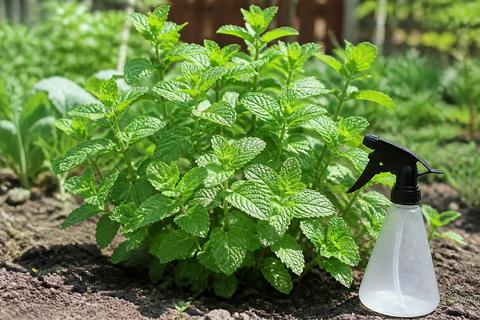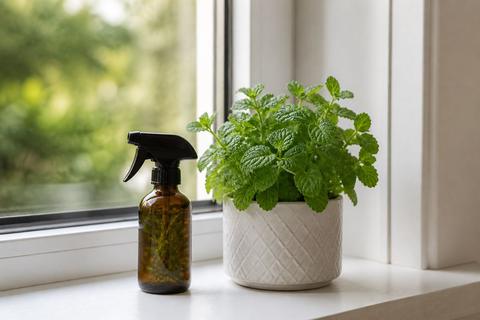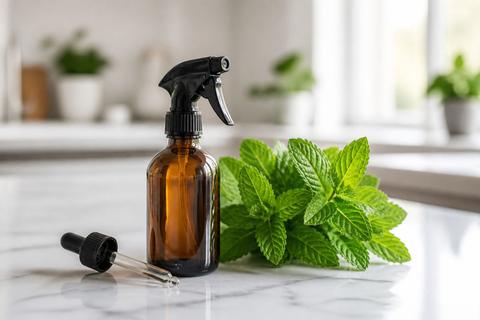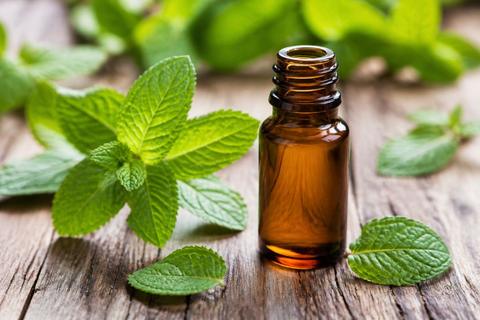
Does Peppermint Oil Repel Wasps and Bees?
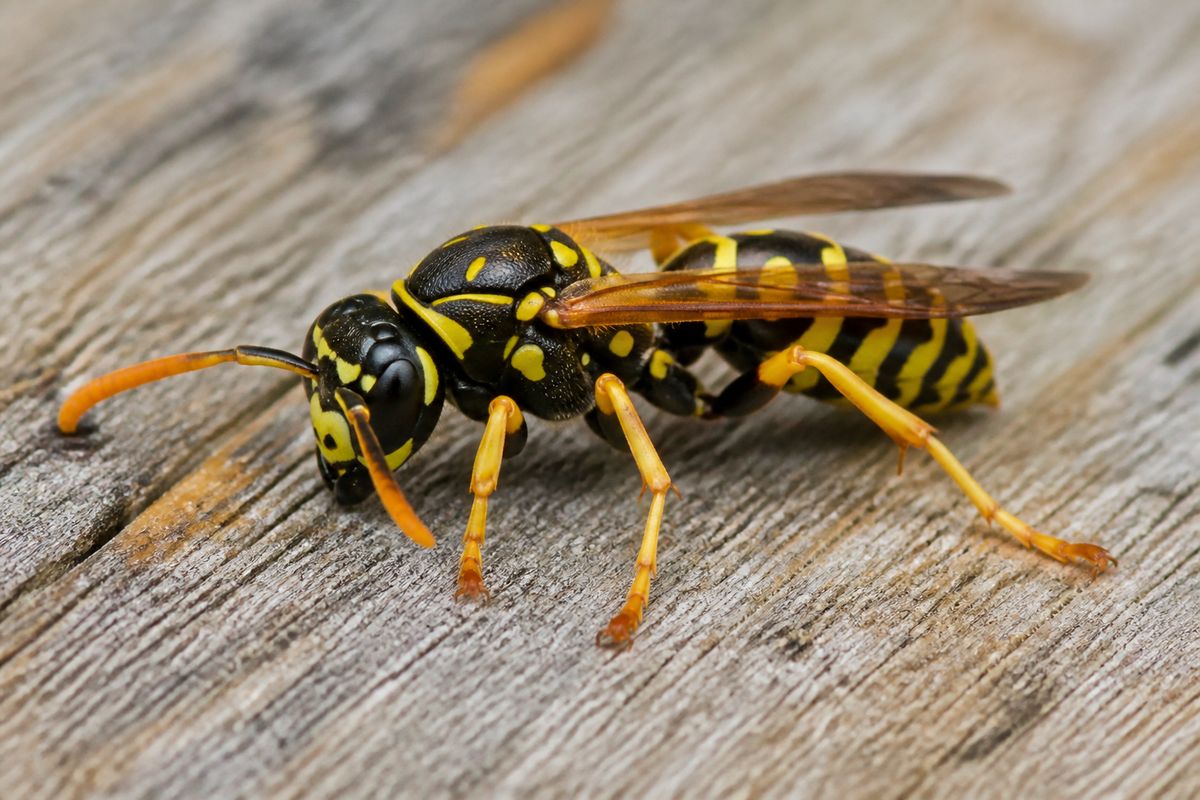
If you have wasps hovering around your patio or porch, it's tempting to reach for a home remedy. You might be wondering, does peppermint oil repel wasps, the way some people claim. The honest answer: peppermint oil can mildly irritate and disorient some wasps for a short time, but it's not a dependable fix on its own and it does not kill or eliminate a colony. Bees respond differently, and the evidence for a bee-repellent effect is much weaker.
For more help, see our Homemade Peppermint Pest Repellent Spray (DIY Recipe) guide.
What peppermint oil can and cannot do
Why the scent may bother wasps
Peppermint essential oil is heavy in menthol and menthone, compounds that can overwhelm the scent receptors wasps use to navigate and find food. A peer-reviewed screening study of repellents against vespid wasps (testing common wasps and paper wasps) found that menthol and related mint compounds were among the more consistently repellent chemicals tested, and effectiveness generally dropped once the oil was diluted, an effect that was clearest for mint (spearmint) oil specifically. That's the practical shape of it: a strong, fresh dose of peppermint can make an area less inviting for a while; a weak or old application will not do much.
Here's what it can realistically do.
- Reduce wasp interest in a small, well-scented area for a limited window of time.
- Make wasps less comfortable lingering near a treated entry point, doorway, or trash bin, as long as the scent stays strong.
Why bees usually react differently
Bees rely on scent too, but they're tuned to floral cues, nectar, and pollen rather than general irritant smells. Some beekeeping sources report bees ignoring peppermint scent entirely or even being drawn to mint-family plants, and no controlled study shows a consistent, repeatable pattern of peppermint keeping bees away from yards or gardens. Because bee foraging decisions are driven by reward (a good nectar source), a competing smell does not reliably override that pull.
In practice, that means you should not plan outdoor activities around peppermint scent to "protect" active bee areas. If bees are foraging on nearby flowers, the smell likely will not stop them, especially outdoors where airflow disperses scent within minutes.
What hornets and yellowjackets have in common
Hornets and yellowjackets are closely related to wasps in behavior. They scout for food, defend nests, and react to changes in their environment. A strong peppermint scent can interfere with how they orient near a treated spot, but the same dilution problem applies: fresh, concentrated oil works better than a spray that has sat for a day or two.
These insects are also persistent. If a nest is nearby, workers will keep returning to defend and provision it even if the surrounding air smells unpleasant. Peppermint can act as a mild, temporary disturbance, but nest location and food access still decide whether you see any real change.
What the evidence actually suggests
How strong the proof is for wasp deterrence
The proof for peppermint oil repelling wasps is real but limited. In lab and screening conditions, menthol and mint-derived compounds show measurable repellency against vespid wasps, but researchers tested small, controlled setups where scent concentration stays much higher than it would drifting across an open patio. Diluted samples tended to be less effective, which matters because most homemade sprays are dilute by design (a few drops of oil per cup of water).
Outdoors, peppermint oil evaporates fast, sunlight breaks down its compounds, and wind carries the scent away from where you need it. Expect a short-lived reduction in wasp visits at best, not a "no wasps ever" outcome.
Use peppermint as a minor, supporting tactic, then put your real effort into the things that actually control wasps: removing food access and dealing with the nest.
What we know about bees and peppermint smell
Bees are not a simple "repel or don't repel" case, because their behavior is driven by many cues at once. Peppermint odor does not match a proven bee-deterrent pattern, and some beekeeping sources report the opposite effect: bees investigating or tolerating mint scent rather than avoiding it. If a colony is established nearby and forage is available, bees tend to keep working their routes regardless of a competing smell in the air.
Be skeptical of products marketed as "bee-safe" or "bee-deterrent." There is no standard test showing peppermint reliably changes bee behavior around flowers, hives, or busy garden beds.
If you want bees away from a specific human activity, use practical barriers and placement changes (move the picnic table, cover food and drinks) rather than relying on scent.
Why results vary by species, concentration, and setting
Results vary because "wasps" is not one species, and "peppermint oil" is not one standardized product. Concentration matters a lot, and essential oil is not the same as peppermint extract or flavoring sold for baking. Outdoors, wind, temperature, and surface type all change how long the menthol scent actually lasts on a treated surface.
Species differences matter too. Yellowjackets patrolling for food may respond differently than paper wasps focused on nest defense. A fresh, strong spray can seem to work for a day, then stop doing anything once the scent fades, which is most of the time it's on a surface.
If you treat one small entry point but leave food sources exposed nearby, you'll still see wasp traffic. Peppermint cannot override the basics that draw insects in.
How to use peppermint oil around outdoor spaces
Simple deterrent spray recipe
Use 100% pure peppermint essential oil (Mentha piperita), not peppermint extract or flavoring, which are far too dilute to have any scent effect outdoors.
- In a clean spray bottle, add 1 cup (240 ml) of water.
- Add 10 to 15 drops of 100% pure peppermint essential oil.
- Add 1 to 2 teaspoons of mild dish soap so the oil emulsifies into the water instead of floating on top.
- Shake hard for 30 seconds before each use, since the oil and water will separate between applications.
Spray a light, even mist. Do not soak surfaces, and keep the spray off food-contact areas.
Best places to apply it near patios, doors, and bins
Target wasp travel routes and entry points rather than misting the whole yard. Wasps patrol edges and corridors, so a barrier approach uses far less oil for a similar (modest) effect.
- Spray around door thresholds and window frames, especially where insects can slip through.
- Treat the outside rim and lid of trash bins, plus the ground right next to the bin base.
- Apply along patio edges near where you set out food or drinks.
- Focus on vents and utility openings that insects tend to investigate.
Avoid spraying directly onto flowers or any area where bees are actively foraging. If you see bees working a patch, treat nearby entrances instead and leave the flowers alone.
How often to reapply for effect
Peppermint oil only does anything while the scent is strong. Outdoors, that fades fast, and reapplication is not optional if you want any ongoing effect.
- Reapply every 2 to 3 days for high-traffic spots you're actively trying to keep clear.
- Reapply after rain, since water washes off the residue and speeds up scent loss.
- Reapply after a day of strong sun, which dries out residue quickly, especially on porous surfaces like wood or brick.
If you see no change after a few rounds of reapplying, stop spending time on scent. Move to prevention (sealing food, closing entry points) and, if there's a nest, professional removal.
Safety and effectiveness limits
Why peppermint oil is not a guaranteed repellent
Peppermint oil can cause mild discomfort or scent confusion in some wasps, but it does not reliably clear an area or stop nest defense. If there's a nest nearby, workers keep returning to protect it, and any exposed food source will keep pulling wasps back to your space regardless of how much you spray.
Peppermint oil is also a volatile compound by nature. Outdoors it evaporates, disperses, and breaks down within hours, so your effective concentration drops steadily even if you just sprayed. Reliable pest control resources are blunt about this: the National Pesticide Information Center notes that plant-oil based repellents have not been studied as thoroughly as registered synthetic repellents. Combined with how fast the scent fades outdoors, that is not a foundation to count on for anything more than short-term, small-area use.
Treat peppermint as a temporary, small-area deterrent, not a long-term solution.
When it may attract attention instead of driving insects away
Scent can send a mixed signal. If your spray overlaps with sweet odors nearby, or leaves a lingering sticky residue, insects may investigate out of curiosity rather than avoid the area. Wasps are especially responsive to food and drinks, so only spray near dining areas if you also keep food covered and cleaned up.
Be careful with DIY mixtures that include sugar or other sweet additives. Avoid anything sweet or oily that could make a surface more attractive rather than less.
If you notice more insects clustering where you sprayed, stop and adjust. Switch to targeted barrier spots like door edges and bin bases, not open dining surfaces.
Pet, child, and surface safety considerations
Essential oils can irritate skin, eyes, and airways, and should never be treated like a harmless room freshener. Use the smallest effective amount, keep people and pets off treated surfaces until the spray dries, and never apply near food-prep or serving areas.
- Store peppermint oil and any premixed sprays out of reach of children and pets.
- Wear gloves if you have sensitive skin, and avoid spraying in windy conditions where mist can drift onto you or others.
- Test on a small, hidden area first if you're spraying painted or sealed surfaces, since oils can affect some finishes.
If you have pets that lick outdoor surfaces, treat lower perimeter areas when pets are indoors, and pick spots they can't reach.
Better ways to keep wasps and bees away
Seal food and sweet drinks
Food access is the fastest route to repeated wasp activity, and cutting it off does more than any amount of scent spraying.
- Put garbage in tightly sealed bags and close bin lids immediately after use.
- Cover drinks outdoors, use lids, and clean up spills right away.
- Store pet food indoors or in sealed containers.
- Rinse recyclable cans and bottles so residue doesn't ferment and smell sweet.
Do these consistently for a week and you'll get a much clearer read on whether wasps were responding to accessible food rather than anything else.
Remove nesting triggers and shelter spots
Wasps and yellowjackets look for usable shelter. Reduce those options and you cut down the odds they settle near you in the first place.
- Fix gaps around siding, vents, and eaves where insects can slip in.
- Remove or relocate clutter near walls, including stacked lumber or dense shrub growth.
- Keep outdoor areas dry when possible, since some species prefer sheltered, dry cavities.
- Limit unattended paper products and old debris that can serve as nesting material.
If you spot a visible nest or repeated swarming at one spot, stop spraying scent at it. Address the nest directly or call a professional.
Use screens, traps, and professional pest control when needed
Physical barriers and targeted control work when scent doesn't. Screens stop entry, and selective traps can reduce localized pressure.
- Install or repair window and door screens so there are no gaps.
- Use wasp traps designed for your region, placed away from where people eat so you're not drawing insects into the dining area.
- If you find an active nest in a wall, under eaves, or in a hard-to-reach spot, contact a licensed pest control professional.
That protects you directly, since DIY removal attempts can provoke stings and scatter the colony instead of clearing it.
Common peppermint product questions
Does peppermint oil help in wasp sprays and deterrents?
Peppermint essential oil can be a useful ingredient in a DIY deterrent spray because its odor can disrupt and mildly irritate some wasps. You may see a short-term reduction in activity near a freshly treated area.
What it cannot do is replace real wasp control. If you have an active nest, peppermint spray will not remove it. Pair it with prevention steps like sealing trash and covering food, and call in nest removal when it's warranted.
If you buy a commercial "peppermint" product, check that it actually lists essential oil as an ingredient and follow the label, since concentrations vary widely between brands.
Can peppermint products like lotions or lip balm affect insects?
Peppermint on your skin might change how insects perceive you, but it is not a reliable personal repellent. Lotions and lip balms often blend in other oils and fragrances, so the effect is unpredictable and can just as easily draw curiosity as deter it.
Essential oil concentration in personal-care products is usually low and diluted with other ingredients, so the scent effect is weaker than a properly mixed spray. Other odors from sunscreen, sweat, or nearby snacks can also override the peppermint scent.
For real deterrence outdoors, rely on barrier methods (clothing coverage, sealed food) and apply essential oil sprays to surfaces and entry points in the environment, not to your skin.
What to know about bee-safety claims on scented products
Claims like "bee-safe" or "bee-friendly" are not standardized the way people assume. Many scented products are tested for how they smell to people, not for controlled bee behavior. Peppermint is not a proven way to protect bees from irritation, and it is not a dependable way to keep them off flowers.
If bees are active around your property, prioritize actions that reduce conflict: avoid spraying where bees are foraging, keep entrances protected with screens, and choose physical solutions over scent-based products.
Frequently Asked Questions
Does peppermint oil repel wasps reliably?
It can discourage some wasps for a short time because the scent is strong and menthol-based, but it is not a reliable standalone repellent and it will not eliminate a nest. Results depend on the wasp species, how concentrated the peppermint essential oil is, and how quickly the scent fades outdoors. The biggest wins come from combining peppermint with basic prevention like sealing food and controlling trash, not from the oil alone.
Will peppermint oil keep bees away?
Not consistently. Bees respond to different cues than wasps do, and peppermint scent is not proven to stop them from visiting flowers or working an outdoor area; some beekeeping sources even report bees tolerating or investigating mint scent. If bees are foraging nearby, use barrier strategies and avoid spraying where they're active rather than counting on the smell to move them along.
Does peppermint oil repel hornets too?
Peppermint oil may create a mild, short-lived deterrent effect on hornets by disrupting scent-based navigation, but the evidence is thin and a nearby nest can override any odor disturbance. Treat peppermint as a minor aid and focus on nest location, exclusion, and professional help when needed.
How do you make a peppermint oil wasp spray?
Mix water with a small measured amount of peppermint essential oil and add a dispersing agent like mild dish soap. A reliable starting recipe is 1 cup of water with 10 to 15 drops of 100% pure peppermint essential oil, plus 1 to 2 teaspoons of mild dish soap. Shake before each use and apply only to nonfood surfaces and entry points, reapplying every 2 to 3 days or after rain.
Is peppermint oil safe to use near pets and children?
Use caution. Essential oils can irritate skin, eyes, and airways, and concentrated oils should be kept away from pets and children while surfaces dry. Follow the label directions on the essential oil and any spray product you use, keep areas off-limits until dry, and avoid spraying anywhere pets are likely to lick.