What Is the Life Cycle of Fruit Flies? Stages and Facts
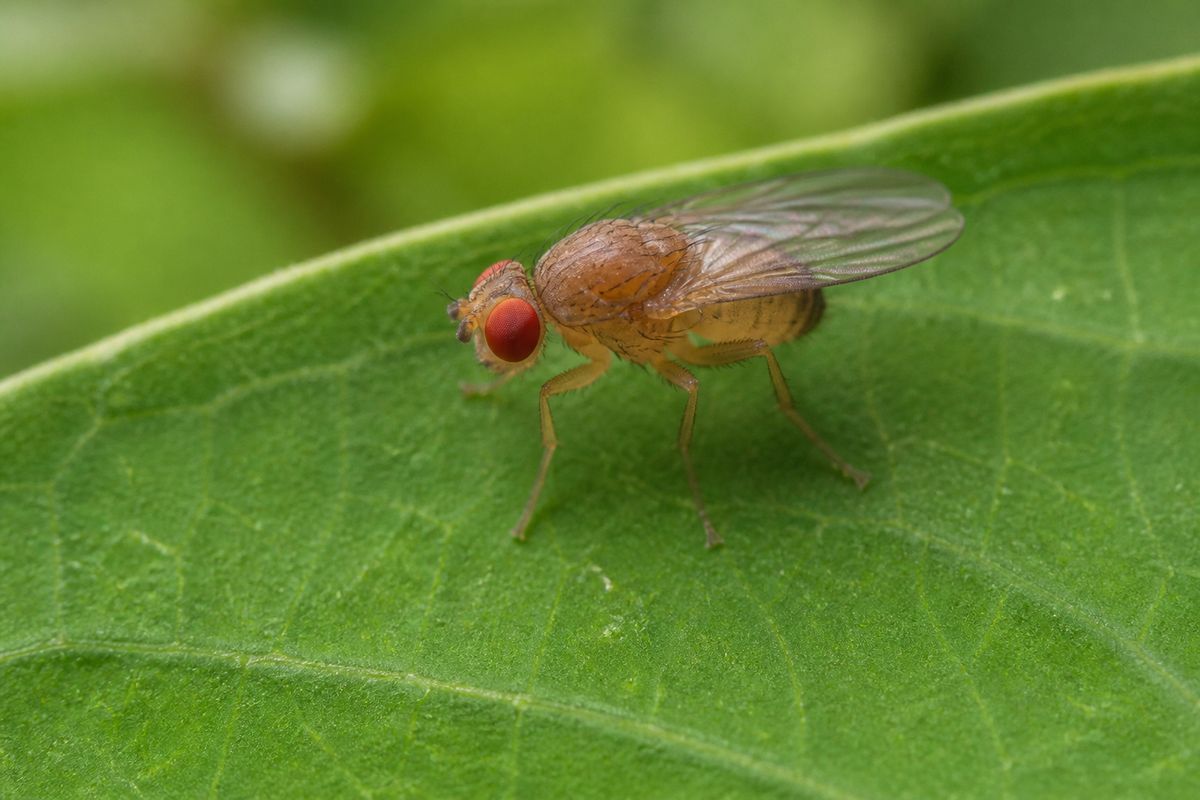
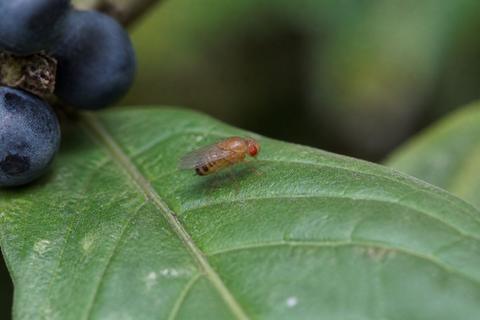
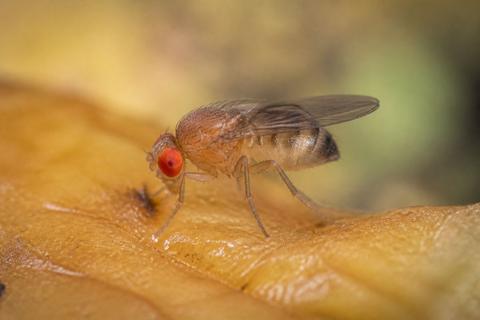
Fruit flies, scientifically known as Drosophila melanogaster, are fascinating insects that have intrigued researchers for decades due to their rapid life cycle and genetic simplicity. Understanding the life cycle of fruit flies not only enhances our knowledge of these creatures but also sheds light on broader biological principles. This article delves into the various stages of the fruit fly life cycle, interesting facts, and their significance in scientific research.
Overview of the Fruit Fly Life Cycle
The life cycle of a fruit fly can be broken down into four distinct stages: egg, larva (or maggot), pupa, and adult. The entire process from egg to adult can occur in as little as 8 to 10 days under optimal conditions, making fruit flies ideal models for genetic studies.
1. Egg Stage
The life cycle of a fruit fly begins when a female lays eggs. Here are some key details regarding this stage:
-
Egg Laying: Female fruit flies typically lay around 20 to 30 eggs on or near fermenting fruit, which serves as a food source for the larvae once they hatch. The eggs are tiny, about 0.5 mm in length, and are usually laid in clusters.
-
Incubation Period: The eggs hatch within about 24 to 30 hours after being laid, depending on environmental conditions such as temperature and humidity. Warmer temperatures generally speed up the developmental rate.
2. Larval Stage
Once the eggs hatch, the larvae emerge, commonly referred to as maggots. This stage is characterized by significant growth and development.
-
Feeding: Fruit fly larvae feed voraciously on the decaying organic matter surrounding them, primarily on sugars from fruits. This feeding behavior is crucial for their growth as they require nutrients to mature into adults.
-
Growth Process: The larval stage consists of three distinct instars or growth phases. During each instar, the larvae molt (shed their skin) to accommodate their growing bodies. This stage lasts approximately 4 to 6 days.
-
Size: By the end of the larval stage, they can reach up to 8 mm in length.
3. Pupal Stage
After completing their larval growth, fruit flies enter the pupal stage, which is a transformative phase.
-
Pupation: The larvae seek out a suitable place to pupate, often crawling away from their food source and finding a dry surface where they can form a protective casing known as a puparium.
-
Transformation: Inside this hard outer shell, significant changes take place as they transform from larvæ into adults through a process called metamorphosis. This stage can last between 4 to 6 days but can extend longer depending on environmental conditions.
4. Adult Stage
The final stage of the life cycle is when the fruit fly emerges as an adult.
-
Eclosion: The adult emerges from the puparium by splitting it open, a process known as eclosion. At first, the newly emerged fly has soft wings and a pale body that gradually darkens over time.
-
Maturity and Reproduction: Within hours of emerging, adult fruit flies are ready to mate. Females can store sperm for several days after mating and will lay eggs shortly thereafter, perpetuating the life cycle. Adult fruit flies have an average lifespan of about 30 days but can live longer under ideal conditions.
Interesting Facts About Fruit Flies
Beyond understanding their life cycle, there are several fascinating aspects of fruit flies that make them unique:
Genetic Research Model
Fruit flies have been extensively used as model organisms in genetic research since the early 20th century:
-
Genetic Simplicity: They have a relatively simple genome with only four pairs of chromosomes, making them easier to study than more complex organisms.
-
Fast Generational Turnover: Their rapid reproduction allows scientists to observe multiple generations across short time spans.
Behavior and Ecology
Fruit flies exhibit interesting behavioral traits:
-
Sensory Perception: They possess compound eyes and olfactory sensors that help them detect ripening fruits, a skill critical for their survival.
-
Social Interactions: Studies suggest that fruit flies exhibit social behaviors and can even communicate through pheromones released during mating rituals.
Importance in Biology and Medicine
Fruit flies play a crucial role in various fields:
-
Understanding Developmental Biology: Research on Drosophila has provided insights into developmental processes applicable across species, including humans.
-
Genetic Disorders: Studying the genes of fruit flies helps scientists uncover mechanisms behind genetic disorders and diseases like cancer or neurodegenerative diseases.
Conclusion
The life cycle of fruit flies showcases an incredible journey from egg to larvae, then pupa and finally adulthood, all within a remarkably short time frame. Their unique characteristics make them invaluable research tools in genetics and developmental biology while also serving as an example of ecological interactions in nature. Understanding these tiny yet complex insects not only contributes to scientific knowledge but also emphasizes the interconnectedness of all life forms on Earth.
By appreciating the rapid life cycle and biological significance of fruit flies, we gain insights that extend far beyond their small size, impacting fields like medicine, ecology, and evolutionary biology for years to come.