How to Identify Mosquitoes: Identification Tips
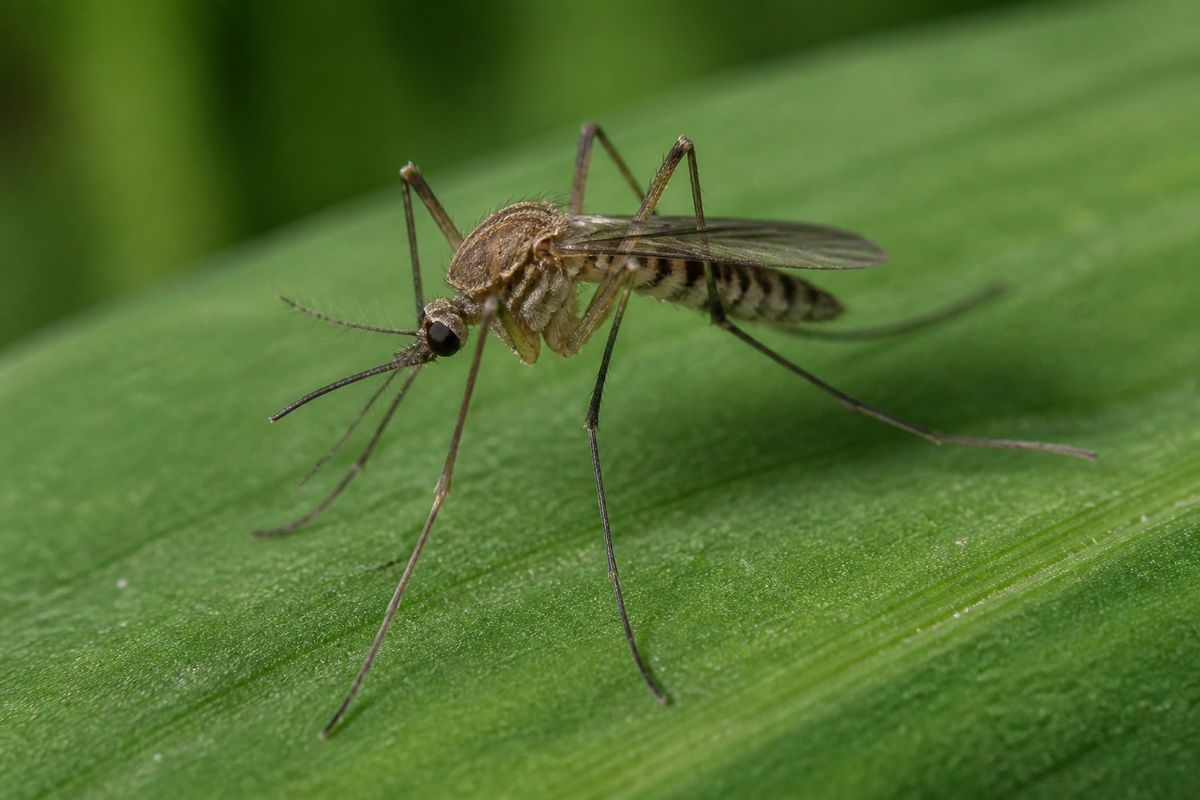
Mosquitoes are not only a nuisance but also potential carriers of various diseases, making it important to be able to identify them. Understanding the characteristics of mosquitoes can help you take preventative measures and protect yourself and your family from their bites. In this guide, we’ll cover the key aspects of mosquito identification, including their physical features, behavior, breeding habitats, and more.
Understanding Mosquito Anatomy
To effectively identify mosquitoes, it is essential to understand their anatomical features. Adult mosquitoes typically have the following characteristics:
Body Structure
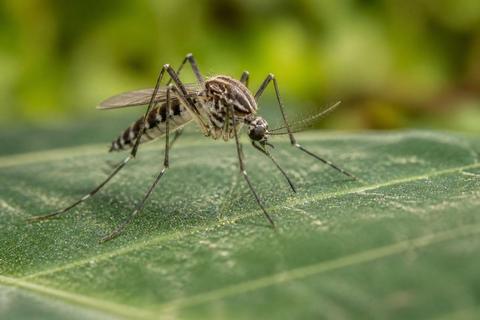
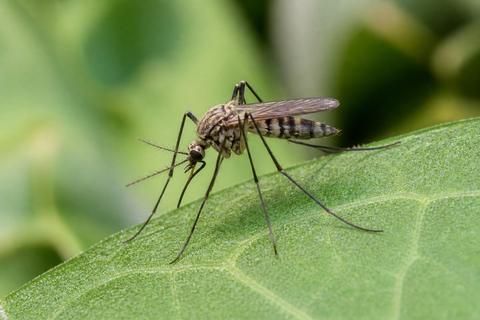
Mosquitoes have a slender, elongated body with three main parts: the head, thorax, and abdomen.
-
Head: The head contains sensory organs known as antennae that help mosquitoes detect scents and temperature changes. Female mosquitoes typically have longer antennae than males.
-
Thorax: The thorax has three pairs of long legs and one pair of wings. Mosquito wings are usually scaled and transparent. The length and width of their wings can vary among species.
-
Abdomen: The abdomen is elongated and varies in size based on whether the mosquito has fed. A blood-fed female will have a swollen abdomen compared to an unfed individual.
Coloration
Mosquitoes can exhibit a range of colors depending on the species. The most common colors include:
- Gray: Many mosquitoes are primarily gray in color.
- Black: Some species have dark bodies.
- Brown: Certain types may appear brownish or even yellowish.
In addition to color, look for distinctive markings, such as stripes or spots, which can aid in identification.
Key Identification Features
While general characteristics can help identify mosquitoes, specific features are more indicative of particular species. Here are some identifying features to look out for:
Size
Mosquitoes range in size from about 3 mm to 12 mm in length. The size can vary significantly among species, so measuring the length might help narrow down the possibilities.
Wing Veins
The pattern of wing veins is often unique to certain mosquito species. Observing these patterns can be crucial for accurate identification:
- Culex Mosquitoes: These often have less pronounced wing vein patterns.
- Aedes Mosquitoes: They usually have distinct markings along their wing veins.
Proboscis Length
The proboscis is the elongated mouthpart that mosquitoes use to feed on nectar or blood. In females, the proboscis is often longer than in males. Measuring this part can provide additional identification clues.
Antennae
As mentioned earlier, antennae differ between male and female mosquitoes. Male antennae tend to be bushier or more feathery compared to females. This feature is particularly useful for distinguishing between genders.
Common Mosquito Species
Here are some of the most common mosquito species you might encounter, along with tips for identifying them:
Aedes aegypti (Yellow Fever Mosquito)
-
Color: Black with white markings on its legs and a characteristic lyre-shaped pattern on its thorax.
-
Size: Approximately 4–7 mm in length.
-
Habitat: Often found in urban areas where they breed in artificial containers like flower pots or discarded tires.
Culex pipiens (Common House Mosquito)
-
Color: Generally brown or gray with subtle striping on its body.
-
Size: About 4–10 mm long.
-
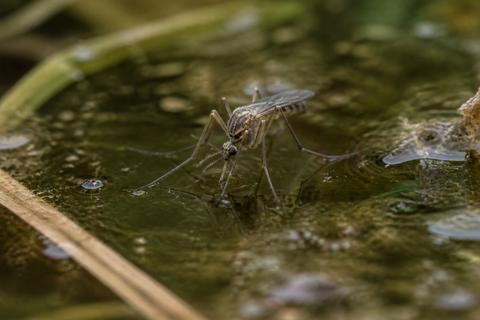
Habitat: Prefers stagnant water bodies such as ponds or marshes for breeding.
Anopheles gambiae (African Malaria Mosquito)
-
Color: Light brown with mottled patterns.
-
Size: Ranges from 4–10 mm in length.
-
Behavior: Known for laying eggs in clean water sources like lakes or streams.
Behavioral Characteristics
Understanding mosquito behavior is just as important as physical identification for managing their populations:
Feeding Time
Different species have varying feeding habits:
-
Daytime Feeders: Aedes mosquitoes are known for biting during the day, especially early morning and late afternoon.
-
Night Feeders: Culex species are more active at night and prefer dusk hours for feeding.
Flight Patterns
Observing flight patterns can also provide clues to their identity:
-
Aedes Mosquitoes: Tend to fly low and fast, often making erratic movements.
-
Culex Species: Generally fly more steadily at a higher altitude before landing.
Breeding Habitats
Identifying where mosquitoes breed can greatly assist in managing their populations:
Natural Water Sources
Most mosquito species require standing water for reproduction. Key breeding sites include:
- Ponds
- Marshes
- Swamps
- Rivers
Artificial Containers
Urban environments often provide ample breeding grounds through human-made containers:
- Flower pots
- Tires
- Buckets
- Bird baths
Regularly checking these containers can help prevent mosquito infestations.
Seasonal Behavior
In many regions, mosquito populations fluctuate with seasons:
Warmer Months
Mosquito activity generally increases during warmer months when temperatures rise above 50°F (10°C). They become more active during humid weather conditions since it supports their reproductive cycles.
Cold Weather
Most adult mosquitoes enter a dormant phase during winter months when temperatures drop significantly. Some species lay eggs that can survive until conditions become favorable again.
Preventative Measures
Once you’ve identified the type of mosquito present in your area, taking preventative measures becomes essential:
Remove Standing Water
Eliminate any stagnant water sources around your property where mosquitoes could breed.
Use Repellents
Applying insect repellents containing DEET or picaridin on exposed skin can deter bites.
Install Screens
Ensure that windows and doors are fitted with screens to keep mosquitoes out of your home.
Educate Yourself
Stay informed about local mosquito species prevalent in your area and monitor seasonal populations.
Conclusion
Effective mosquito identification involves understanding various anatomical features, behavioral patterns, and breeding habitats. By familiarizing yourself with these aspects and taking proactive measures, you can reduce the chances of bites and protect yourself against diseases transmitted by these pests. Always remain vigilant during peak mosquito season and prioritize preventive actions to keep your environment safe from these tiny yet impactful insects.