How Do Mosquitoes Contribute to the Ecosystem?
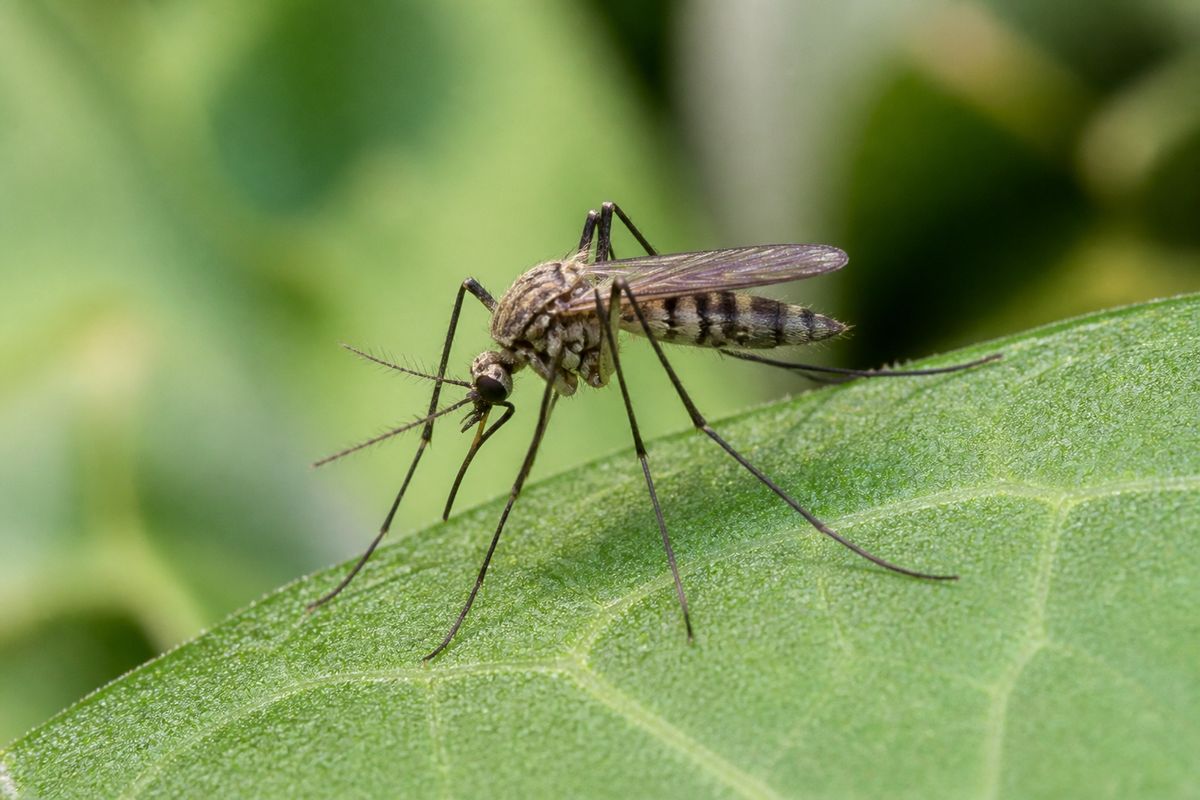
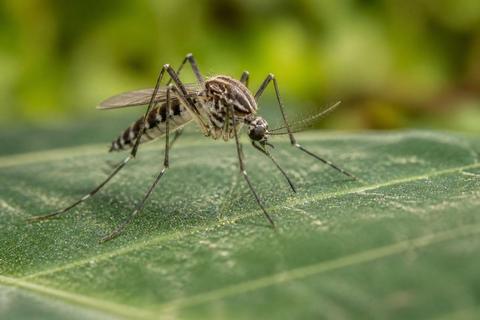
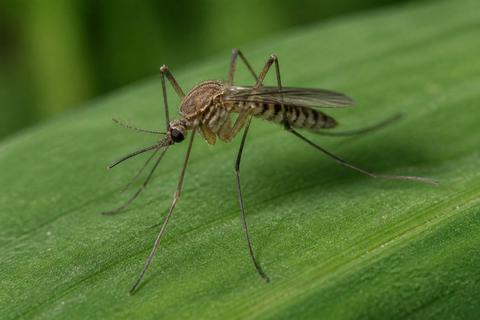
Mosquitoes are often viewed as mere nuisances, notorious for their itchy bites and ability to transmit diseases such as malaria, dengue fever, and Zika virus. However, these small flying insects play a multifaceted role in the ecosystem that goes far beyond their reputation as pests. This article explores the various ways in which mosquitoes contribute to ecological balance, biodiversity, and even human survival.
The Role of Mosquitoes in Food Webs
Primary Food Source
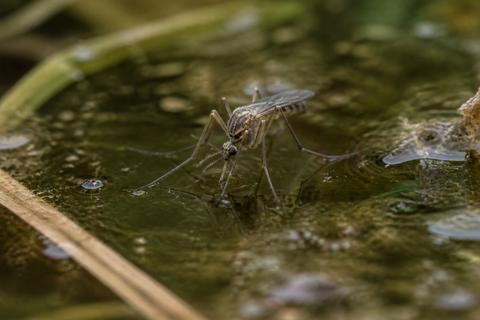
One of the most significant contributions of mosquitoes to the ecosystem is their role as a food source for various animals. The larvae of mosquitoes are aquatic and serve as vital food for fish, amphibians, and other aquatic organisms. Adult mosquitoes also fall prey to a range of predators, including birds, bats, and insects such as dragonflies. In many ecosystems, these predators rely heavily on mosquitoes to sustain their populations.
Biodiversity and Ecosystem Stability
The presence of mosquitoes in an ecosystem indicates a rich diversity of species. They are generally found in areas with abundant water sources like ponds, marshes, and wetlands. These habitats are crucial for supporting a wide variety of flora and fauna. The interactions between mosquitoes and their predators help maintain population control among various species, contributing to overall ecosystem stability.
Pollination Services
While most people associate mosquitoes with blood-feeding behavior, only female mosquitoes feed on blood; males primarily feed on nectar from flowers. In this capacity, male mosquitoes act as pollinators for certain plants. Although they are not the most efficient pollinators compared to bees or butterflies, they do contribute to the reproductive success of various plant species.
Plant Reproduction
By feeding on nectar, male mosquitoes inadvertently transfer pollen from one flower to another, facilitating cross-pollination. This process is essential for many plants that depend on sexual reproduction for genetic diversity and resilience. The presence of mosquito populations can thus contribute to plant health and biodiversity in an ecosystem.
Nutrient Cycling
Decomposition Process
The life cycle of a mosquito includes several stages: egg, larva, pupa, and adult. Mosquito larvae play an essential role in decomposing organic matter found in aquatic environments. They feed on microorganisms and decaying plant material, effectively breaking down these substances into simpler compounds. This process helps recycle nutrients back into the ecosystem.
Impact on Water Quality
In addition to nutrient cycling through decomposition, mosquito larvae can help maintain water quality in their habitats by consuming organic debris. By feeding on detritus and microorganisms that thrive in stagnant water, they limit algal blooms and improve the overall health of aquatic ecosystems. Clean water is vital for other species that inhabit these ecosystems.
Mosquitoes as Indicators of Environmental Health
Mosquito populations can serve as indicators of ecological health or degradation. A sudden increase or decrease in mosquito numbers can signal changes in environmental conditions such as water quality or climate change effects. For instance:
Climate Change Indicators
Rising temperatures can lead to increased mosquito breeding rates. Thus, scientists often monitor mosquito populations for early warnings related to climate change impacts. Understanding these trends can help researchers develop better strategies for managing both ecological health and public health concerns related to mosquito-borne diseases.
Habitat Changes
Changes in land use, such as deforestation or urbanization, can also impact mosquito populations. For example, the destruction of wetlands reduces habitat availability for breeding but may increase mosquito numbers elsewhere due to standing water collection in urban areas. By studying these shifts, ecologists can gain valuable insights into broader environmental changes affecting biodiversity.
Mosquitoes and Ecosystem Engineering
Some species of mosquitoes have demonstrated engineering behaviors that shape their environments:
Creating Breeding Habitats
Mosquitoes can indirectly create breeding habitats for other organisms through their life cycles. For example, when female mosquitoes lay eggs in temporary bodies of water, like puddles or small containers, they facilitate nutrient accumulation that attracts other aquatic lifeforms.
Influencing Vegetation
In some regions, large populations of mosquitoes can influence local vegetation patterns by promoting certain types of plant growth favorable for larval habitats. This interplay further enhances biodiversity within ecosystems.
The Role of Mosquitoes in Disease Dynamics
While disease transmission is typically viewed negatively, it’s important to note that it plays a role in natural selection and population control:
Population Control Mechanisms
The ability of mosquitoes to transmit diseases keeps prey populations in check by preventing overpopulation among species susceptible to these pathogens (e.g., mammals like deer). In this way, mosquitoes contribute indirectly to maintaining balance within food webs.
Evolutionary Pressure
Furthermore, diseases transmitted by mosquitoes exert evolutionary pressure on both host species (like humans) and pathogens themselves. Over time, this leads to adaptations among hosts that enhance resilience against these diseases, potentially contributing to evolutionary advancements within affected populations.
Conclusion
Despite being widely feared and loathed due to their bites and role in disease transmission, mosquitoes have undeniable ecological significance. From serving as a crucial food source within various ecosystems to aiding in pollination processes and nutrient cycling, mosquitoes are integral components of our planet’s biological tapestry.
Understanding how they contribute positively allows us not only to appreciate their place within nature but also informs conservation efforts focusing on maintaining ecological balance amidst increasing human impact on natural habitats.
As we navigate challenges posed by climate change and habitat loss, recognizing such intricate relationships is vital not just for preserving mosquito populations but also ensuring overall ecosystem resilience for generations ahead. So next time you swat away a mosquito, remember that this tiny insect is an unsung hero playing its part within the vast web of life!