What Do Fruit Flies Eat? Diet and Feeding Habits
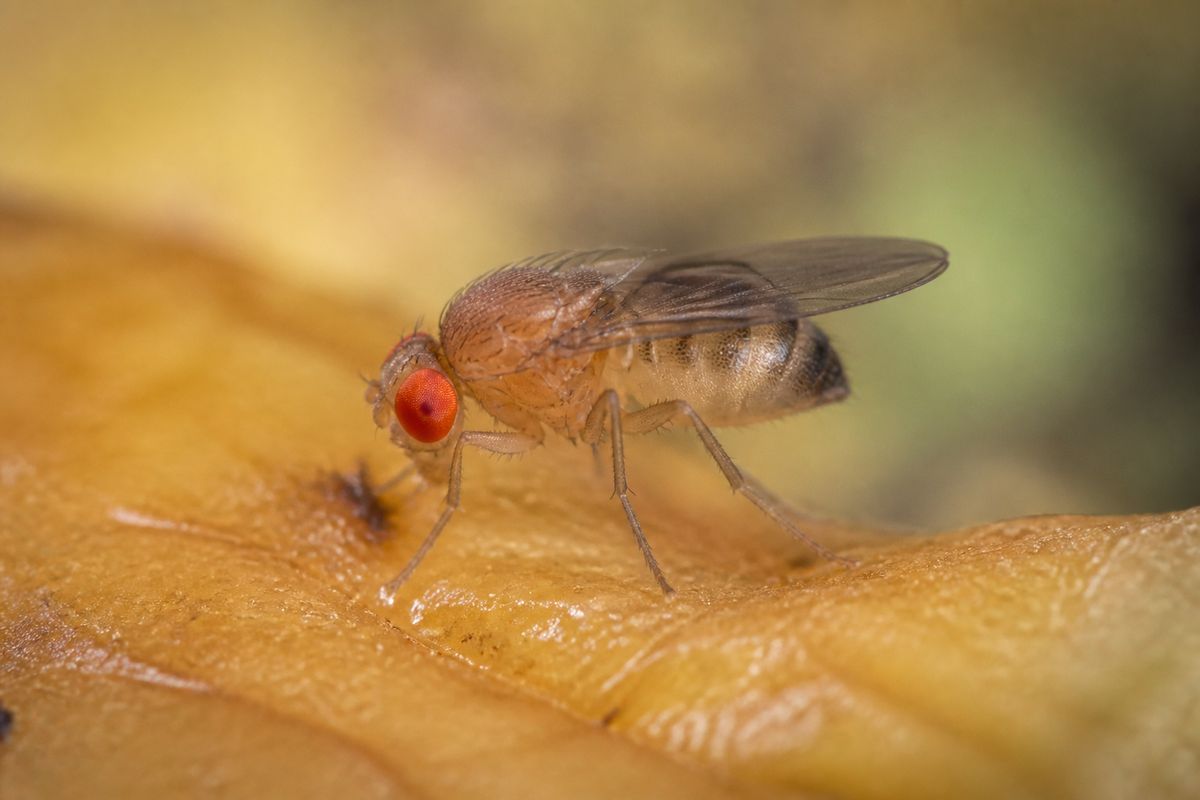
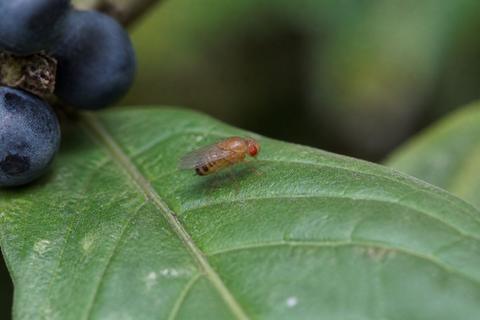
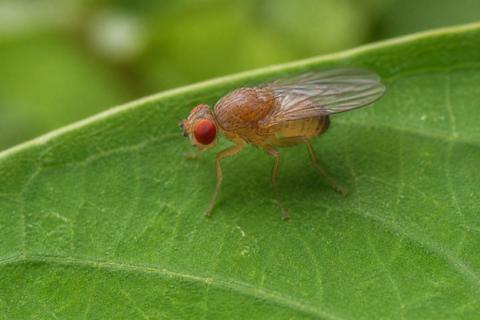
Fruit flies, scientifically known as Drosophila melanogaster, are small insects that many people encounter in their homes, especially during the warmer months. These tiny pests are not only a nuisance but also play a significant role in scientific research. Understanding their diet and feeding habits can help us manage their presence in our environment and appreciate their ecological role.
The Natural Habitat of Fruit Flies
Fruit flies thrive in environments rich in fermenting fruits and vegetables, as these provide an abundant source of food and breeding grounds. They are commonly found in gardens, orchards, and areas where overripe or decaying produce is present. Their affinity for sugary substances draws them toward fermenting fruit, which becomes their primary food source.
Primary Food Sources
1. Fermenting Fruits
The cornerstone of a fruit fly’s diet is fermented fruits. When fruits like bananas, apples, peaches, or berries start to decompose, they release sugars and alcohols that attract fruit flies. The fermentation process breaks down the sugars into alcohol, which is particularly appealing to them. This diet not only provides nourishment but also serves as an ideal medium for laying eggs.
2. Vegetables
Though fruits are their favorite, fruit flies will also feed on decaying or overripe vegetables. Softened tomatoes, cucumbers, and other similar vegetables are suitable food sources for these insects. The same fermentation process that occurs in fruits applies to vegetables; as they begin to rot, they produce sugars that attract fruit flies.
3. Yeast and Other Microorganisms
In addition to fruits and vegetables, fruit flies consume yeast and other microorganisms that thrive on decaying matter. Yeast is essential for their growth and reproduction; it provides them with nutrients that help them develop from larvae into adults. Yeast often proliferates on the surface of rotting fruits and vegetables, making it a readily accessible food source for these insects.
Feeding Behavior
1. Liquid Feeding
Fruit flies have specialized mouthparts that allow them to feed on liquids easily. They use their proboscis to siphon up liquid from the surfaces of decaying fruit or other suitable materials. This feeding technique enables them to consume the fermented juices efficiently.
2. Preference for Sweetness
Fruit flies are drawn to sweet substances due to their highly developed sense of smell. They possess olfactory receptors that enable them to detect volatile compounds associated with fermentation from great distances. This ability allows them to locate food sources quickly.
3. Lifespan Influences Diet
The diet of fruit flies can influence their lifespan significantly. Studies have shown that when provided with a varied diet rich in nutrients (including proteins), fruit flies tend to live longer than those subsisting solely on sugar-rich diets. Thus, while sugar is a primary attraction, a balanced intake contributes to their overall health and longevity.
Reproductive Cycle and Diet Relationship
Fruit flies have a rapid reproductive cycle, with females laying hundreds of eggs in just a few days under optimal conditions. The presence of decaying fruit is crucial not just for feeding but also for providing an ideal environment for laying eggs.
1. Eggs and Larvae Development
The female fruit fly lays her eggs on the surface of fermenting fruit or vegetables where her offspring can access food immediately upon hatching. The larvae feed on the surrounding substrate, extracting nutrients necessary for their development into adult fruit flies.
2. Nutritional Requirements
During the larval stage, fruit flies require specific nutrients from their environment, primarily sugars and yeast, to grow successfully. Insufficient access to these nutrients can stunt their growth or even lead to mortality during this critical development phase.
Impact of Diet on Flavor Preferences
Interestingly enough, the diet of fruit flies can influence their preferences even after they reach adulthood. Research indicates that fruit flies raised on different food sources exhibit distinct flavor preferences later in life:
- Sugar-Rich Diet: Flies raised primarily on sugar tend to gravitate towards sweeter foods.
- Balanced Diet: Those exposed to a more varied diet exhibit broader flavor inclinations and sometimes even choose protein-rich foods when available.
This adaptability demonstrates an evolutionary advantage since varying diets can enhance survival chances through better nutrient acquisition.
The Role of Fruit Flies in Ecosystems
Fruit flies not only impact our kitchens but are also pivotal players in ecosystems:
1. Decomposers
By feeding on decaying fruits and vegetables, they contribute significantly to decomposition processes within ecosystems. This activity aids nutrient cycling by breaking down organic matter into forms usable by plants and other organisms.
2. Pollinators
While not traditional pollinators like bees or butterflies, fruit flies may inadvertently assist in pollination processes as they move from one flowering plant to another while searching for food sources.
Controlling Fruit Fly Populations
Understanding what attracts fruit flies can help us devise strategies for controlling their populations:
1. Cleanliness
Regularly cleaning kitchen surfaces and disposing of overripe fruits and vegetables can significantly reduce attracting these pests.
2. Traps
Using traps filled with vinegar or wine can lure and capture adult fruit flies effectively from your environment.
3. Natural Predators
Encouraging natural predators such as certain wasp species can also help manage populations without harmful chemicals.
Conclusion
In summary, fruit flies have a surprisingly complex diet centered primarily around fermenting fruits but extend beyond this staple to include various decaying vegetables and microorganisms like yeast. Their feeding habits not only support their life cycle but contribute significantly to ecological processes such as decomposition and nutrient cycling.
As we learn more about what fruit flies eat and how they interact with their environment, we gain valuable insights into managing unwanted infestations while appreciating these small yet significant insects’ role in nature. Through awareness and proactive measures, we can coexist more harmoniously with our tiny visitors, keeping our homes clean while recognizing the larger contributions they make within ecosystems globally.