Where Do Fruit Flies Live? Habitat and Distribution Guide
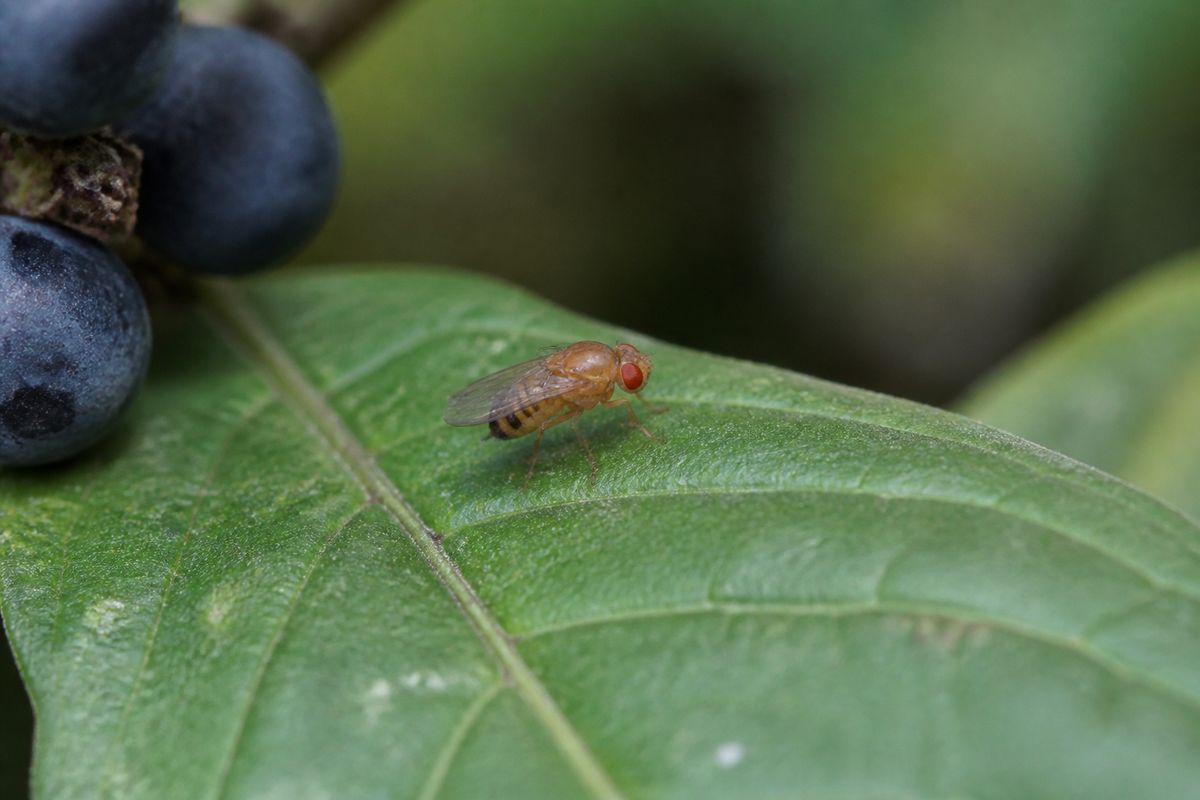
Fruit flies, particularly the species Drosophila melanogaster, are ubiquitous insects that can be found in a variety of environments across the globe. Known for their rapid reproduction and ability to thrive in diverse conditions, understanding their habitat and distribution is essential for those interested in pest control, agriculture, or biological research. This guide will delve into the specific habitats where fruit flies thrive and explore their distribution patterns worldwide.
What Are Fruit Flies?
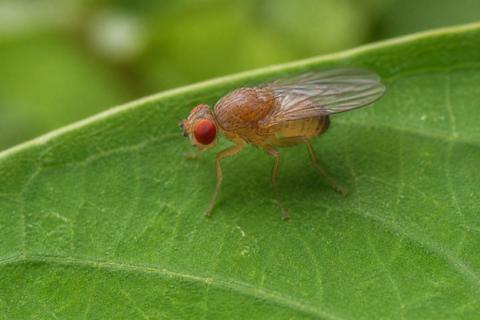
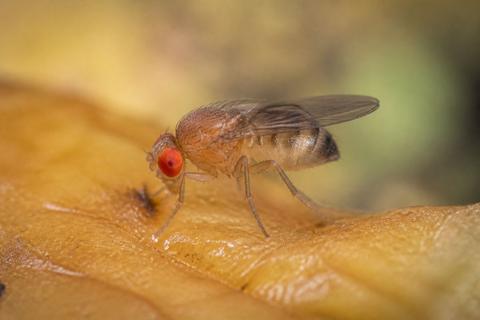
Before exploring their habitats, it is essential to understand what fruit flies are. Fruit flies belong to the family Drosophilidae and are small, often measuring about 1/8 of an inch long. They are characterized by their tan or yellowish bodies and large red eyes. These insects are most commonly associated with decaying fruits and vegetables, where they lay their eggs. The larvae develop in fermenting substances, making fruits and vegetables prime locations for their life cycle.
Life Cycle of Fruit Flies
The life cycle of fruit flies consists of four stages: egg, larva, pupa, and adult.
- Egg: The female lays hundreds of eggs on fermenting fruit or other organic matter.
- Larva: After about 24 hours, the eggs hatch into larvae that feed on the decaying material.
- Pupa: Once fully grown, the larvae pupate, usually in a dry area away from the food source.
- Adult: After a few days, adults emerge and begin the cycle anew.
This quick life cycle allows fruit fly populations to explode under favorable conditions.
Natural Habitats of Fruit Flies
Decaying Organic Material
Fruit flies are primarily found in areas rich in decaying organic materials. They thrive particularly well on:
- Overripe or rotting fruits
- Fermenting vegetables
- Compost heaps
- Waste bins containing decomposing food items
Their attraction to these environments is due to the high levels of sugar and yeast produced during decomposition, providing an ideal feeding ground for both larvae and adults.
Urban Environments
In urban settings, fruit flies have adapted remarkably well. They can be found in:
- Homes: Particularly in kitchens where ripe fruits are stored or kitchen waste is not promptly disposed of.
- Restaurants: Establishments that handle food often have challenges with fruit fly infestations if proper sanitation measures aren’t followed.
- Grocery Stores: Areas where fresh produce is sold can become hotspots for fruit fly activity, especially if items are overripe.
Urban habitats provide ample food sources along with numerous breeding sites, making cities prime locations for these pests.
Agricultural Settings
Agricultural areas are another common habitat for fruit flies. They tend to congregate around:
- Orchards: Particularly those growing apple, peach, and berry trees.
- Vineyards: Grapes attract fruit flies due to their sweetness as they ripen.
- Fields: Any agricultural area with rotting crops or excessive organic debris can invite fruit flies.
The presence of sugar-rich crops renders these sites particularly attractive during harvesting seasons when many fruits start to decay or ferment.
Geographic Distribution of Fruit Flies
Global Presence
Fruit flies, especially Drosophila melanogaster, have a wide distribution across various continents. They inhabit regions including:
- North America: Commonly found throughout the United States and Canada; they thrive in suburban and rural areas.
- South America: Many species have been documented in countries like Brazil and Argentina due to the warm climate that promotes year-round reproduction.
- Europe: Widespread across Western Europe; they can be found in gardens, orchards, and homes.
- Asia: Particularly abundant in tropical regions; many species are endemic to specific areas such as India and Indonesia.
- Africa: Various species inhabit both urban settings and natural environments across the continent.
Climate Influences
The distribution of fruit flies is heavily influenced by climate. Warm temperatures promote faster life cycles, leading to higher populations. In warmer climates like tropical regions, fruit flies can thrive year-round. Conversely, colder climates may limit their presence during winter months; however, indoors or in greenhouses can still support their growth even during colder times.
Managing Fruit Fly Populations
Understanding where fruit flies live is essential for effective pest management strategies. Here are some tips:
Hygiene Practices
Maintaining cleanliness is crucial for preventing infestations:
- Regularly dispose of overripe fruits and vegetable scraps.
- Clean up spills immediately as sugary substances attract fruit flies.
- Keep trash cans sealed tightly to avoid attracting these pests.
Traps
Setting up traps can help manage existing populations:
- Use vinegar traps: A simple trap can be made by placing apple cider vinegar in a bowl covered with plastic wrap with small holes poked into it.
- Sticky traps: These can be placed near hotspots where fruit flies gather.
Sprays and Insecticides
While not always necessary for minor infestations, insecticides may help control larger populations. Always follow guidelines closely and consider eco-friendly options when possible.
Conclusion
Fruit flies are fascinating creatures known for their rapid life cycles and ability to adapt to various environments. Their primary habitats include decaying organic matter like rotting fruits and vegetables but they can also thrive within urban settings such as homes and restaurants as well as agricultural fields rich with crops. Understanding their habitats and global distribution can empower individuals, whether gardeners or restaurant owners, to implement effective management strategies against these prolific pests.
By taking preventative measures focused on maintaining cleanliness and using traps effectively, you can minimize the risk of infestations in your space while acknowledging that these insects play a significant role in our ecosystem as decomposers.