Peppermint Oil for Ants: DIY Spray and How to Use It
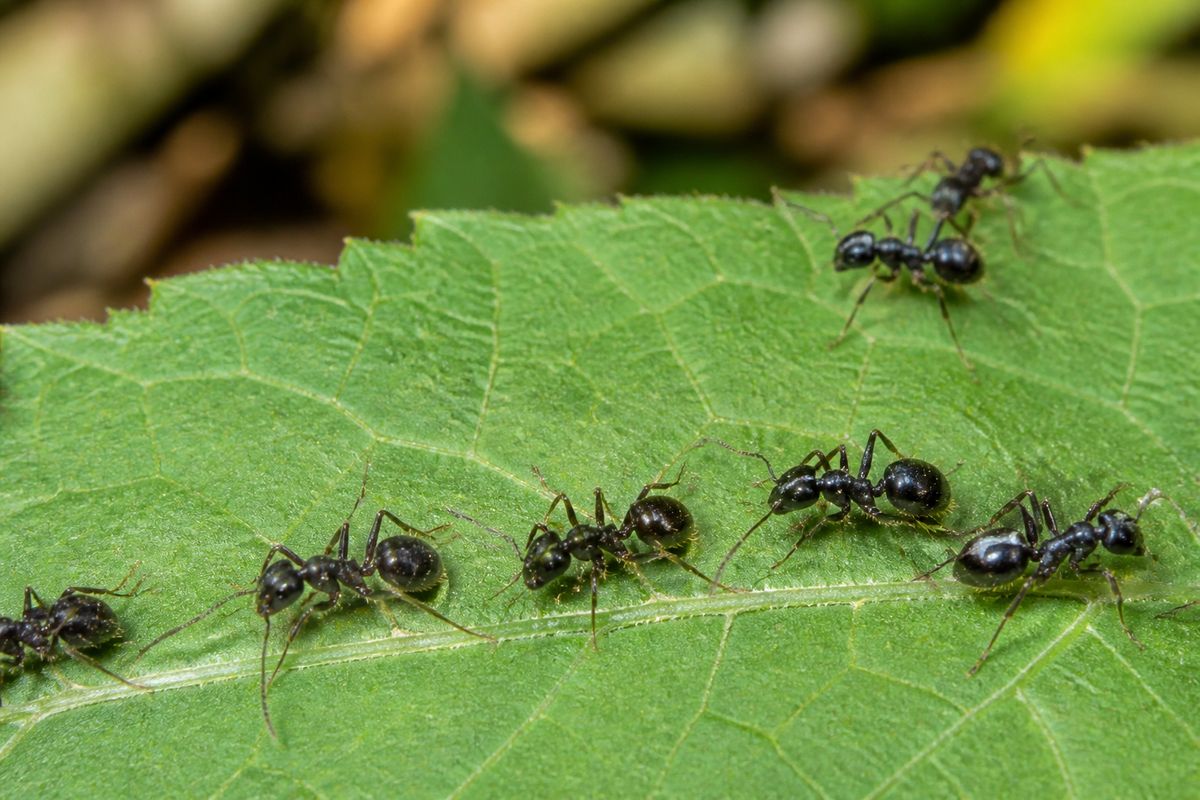
If ants keep showing up in your kitchen, along the baseboards, or around the trash, peppermint oil for ants is a simple place to start, but it is worth knowing what it can and cannot do before you rely on it. It will not solve an established infestation, and research on plant oils backs that up: a field study on ants found that mint oils repelled ant colonies from treated areas for as long as the trial ran, which is a real effect, but it is a repellent effect, not a kill. Used the right way, peppermint oil gives you a low-cost way to disrupt scent trails and make an area less attractive while you deal with the actual source.
For more help, see our Homemade Peppermint Pest Repellent Spray (DIY Recipe) guide.
Why Peppermint Oil Is Used Against Ants
Ants rely heavily on scent trails to move between food, water, and the nest. The strong menthol odor in peppermint oil can mask those trails and make ants hesitate or reroute. That is the entire mechanism: it is a repellent, not a pesticide, and it will not clear out a colony on its own. The EPA classifies peppermint oil as a minimum-risk ingredient exempt from pesticide registration, which means it is considered low-hazard, but the agency has not tested or verified how well it actually works.
How peppermint smell affects ant trails
Ants leave pheromone trails that other ants follow. Peppermint oil does not erase the colony, but the strong smell interferes with those chemical signals and can push ants to reroute or scatter. That is why the spray belongs directly on active trails, cracks, and entry points, not just misted into the air.
What peppermint oil can and cannot do
Peppermint oil can repel ants and cut down visible traffic along a treated line. It does not reach or kill a nest, it does not kill hidden queens, and it does not remove the food source that keeps ants coming back. If you still see steady traffic after cleaning and spraying for a few days, the colony is active nearby and needs a stronger response than a repellent spray.
When peppermint oil is worth trying
Use it when you want a quick, non-chemical first step for a small indoor invasion, light trail activity, or a spot where you want to block entry while you clean. It also works as a short-term barrier around sinks, baseboards, and door gaps. If ants are nesting in walls, returning daily no matter how often you spray, or spreading through several rooms, treat peppermint oil as a supporting tactic and move to baits, sealing, or a pest control service.
Choosing the Right Peppermint Oil and Supplies
Use 100 percent peppermint essential oil, not peppermint extract, candy flavoring, or scented room spray. Those products are diluted for eating or fragrance and do not carry enough of the plant oil to have any repellent effect. A clean spray bottle and something to help the oil mix with water are the only other supplies you need.
Best type of peppermint oil for pest use
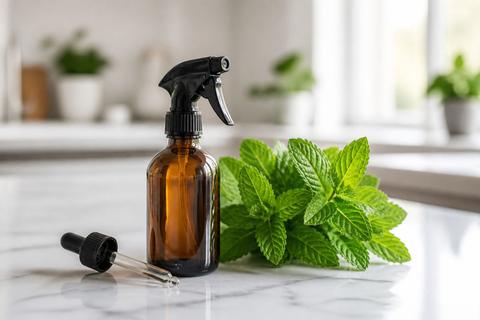
Look for pure essential oil labeled Mentha piperita on the bottle. A dark glass bottle is a good sign the product is sold as an essential oil rather than a fragrance blend. Skip anything mixed with fragrance oils, carrier oils, or perfume ingredients, since those dilute the active compounds and leave more residue.
What to buy for a DIY spray
You need a small spray bottle, water, peppermint essential oil, and an emulsifier so the oil does not just float on top of the water. A few drops of unscented liquid dish soap works, and a splash of rubbing alcohol helps if you want a stronger mix. Use a clean funnel when you fill the bottle, and label it clearly so no one mistakes it for a household cleaner.
Safety notes for homes with pets and kids
Keep peppermint oil out of reach of children and pets. Essential oils can irritate skin, eyes, and airways, and concentrated oil is a real problem for cats, birds, and some small pets. Do not spray near food prep areas, pet bowls, bedding, toys, or cages. If you keep birds, skip open indoor spraying entirely and use a different method for that room.
How to Make Peppermint Oil Spray for Ants
The base recipe is water, peppermint oil, and a small amount of soap or alcohol to help the oil disperse instead of sitting on the surface of the water. Shake before every use, since oil and water separate within minutes of sitting. Mix only what you can use in a week or two, because homemade sprays lose strength as the peppermint scent evaporates off the top.
Simple water-and-oil spray recipe
Use this basic mix:
- Add 1 cup of water to a clean spray bottle.
- Add 10 to 15 drops of 100 percent peppermint essential oil.
- Add 1 teaspoon of unscented dish soap to help it emulsify.
- Cap the bottle and shake hard for 20 seconds.
Spray the finished mix along ant trails, cracks, and edges. If the scent fades fast or activity does not drop, go up to 20 drops per cup rather than switching to a stronger carrier.
Stronger spray options for heavy ant activity
For heavier activity, replace part of the water with rubbing alcohol to make a stronger barrier spray.
- Add 1/2 cup water and 1/2 cup rubbing alcohol to the bottle.
- Add 15 to 20 drops of peppermint essential oil.
- Add 1/2 teaspoon of unscented dish soap.
- Shake well before each spray.
The alcohol helps the oil blend evenly and speeds up drying on hard surfaces. Use this stronger mix on baseboards, thresholds, and outdoor cracks, not on finished wood, painted trim, or delicate surfaces, since alcohol can dull some finishes.
How to shake, mix, and store it properly
Shake before every single spray, since the oil rises to the top within minutes. Label the bottle with the date and ingredients. Store it in a cool, dark spot out of direct sun, and mix a fresh batch every 1 to 2 weeks, since the scent (and with it, the repellent effect) weakens well before the liquid looks any different. If the bottle smells faint or looks separated even after shaking, toss it and mix a new one.
Where and How to Apply It for Best Results
Spray peppermint oil where ants actually enter, travel, and gather, not just around the room in general. The goal is to block a specific route and make that spot unappealing, not to saturate the whole space. A thin, targeted line works better than a heavy, wide spray.
Entry points, baseboards, and trails
Start with the exact places ants are using.
- Follow the visible line of ants back to find the trail.
- Spray a thin line along the trail, door gaps, window edges, and cracks.
- Run the spray along baseboards, under sinks, and around pipe openings.
- Wipe up any puddles so the area stays dry.
A focused line at entry points does more than spraying random spots in the room. Ants often come through gaps near trim, flooring seams, and utility lines that are easy to miss.
Kitchen, pantry, and trash areas
In food areas, keep the spray on exterior surfaces only. Spray around cabinet toe kicks, behind appliances, and along the outside edges of pantry shelves. Do not spray directly on counters, dishes, food, or any food-contact surface. Empty the trash regularly, wipe up sugar and grease residue, and seal open packages, since the spray is only support, not a substitute for removing what is drawing ants in.
Outdoor cracks, patios, and door thresholds
Use peppermint oil outdoors on cracks in concrete, patio edges, threshold seams, and gaps near siding. Spray after sweeping away crumbs, pet food, and debris that attract ants in the first place. Plan to reapply after rain or heavy watering, since outdoor exposure and sunlight strip the scent much faster than indoor use. Avoid spraying in a way that runs onto plants, painted surfaces, or stone that can stain.
What Results to Expect and How Long It Lasts
Peppermint oil can cut visible ant traffic within minutes to hours, but the effect is short-lived because the active compounds are volatile and evaporate. A review of essential oil repellents in the entomology literature notes that plant oils act mainly in vapor form and stay active for only a short window before they need to be reapplied, which is exactly why a single spray will not hold a line for days. You should see fewer ants crossing treated spots and fewer ants reappearing on the same path, but if the source is still active, the spray is slowing movement, not solving the underlying problem.
How quickly it may reduce ant activity
The scent starts working as soon as the area is sprayed, and ants following a trail can break off and search elsewhere within minutes. Light, isolated activity responds faster than an established indoor nest with multiple trails. If you clean up the food source and spray the trail on the same day, traffic drops noticeably faster than spraying alone.
How often to reapply the spray
Plan to reapply every day or two in active indoor spots, and sooner if you clean the surface with anything that removes the scent. Outdoors, reapply after rain, hose use, or heavy foot traffic, since those wash or dilute the oil off the surface. If ants return within hours of spraying, the spray has already lost strength or the entry point is still open somewhere nearby. Keep treatment focused on the exact route instead of oversaturating the whole area.
Signs the treatment is working or failing
Working signs include broken trails, fewer ants at entry points, and a shorter visible line of traffic. Failing signs include new trails opening up in other spots, ants returning to the same crack shortly after you spray, or steady activity around food and water no matter how often you treat. If you see winged ants, swarmers, or ants coming out of walls and structural gaps, the problem is bigger than a repellent spray can handle.
Peppermint Oil for Other Pests: What's Realistic
Peppermint oil can deter some crawling insects, but results depend heavily on the pest and the setting. It is a scent barrier, not a broad pest solution, and it does not kill most pests it is used against. For some problems it is a reasonable support tool; for others, it is too weak to matter.
Bugs it may help deter besides ants
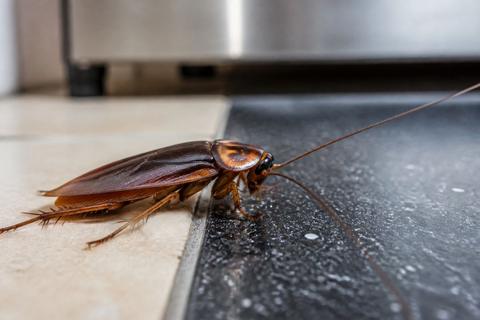
People use peppermint oil around spiders, silverfish, and some pantry pests because the smell can make a treated area less inviting to walk through. It can help in closets, under sinks, and around cracks where insects enter, especially paired with cleaning and sealing gaps. For roaches specifically, treat peppermint oil as a mild deterrent at best. It will not clear a roach problem, and cockroaches will cross a scented line if food or water is still available on the other side.
Why it is less reliable for mice and rats
Rodents can react to strong smells, but peppermint oil does not remove nests, food access, or entry holes. A mouse or rat that already has shelter and food nearby will push through a scented barrier within a day or two. If you see droppings, gnaw marks, or repeated nighttime activity, treat peppermint oil as a minor deterrent at most and move straight to exclusion, trapping, and cleanup.
When to switch to a different control method
Switch methods when the pest problem keeps coming back after cleaning and repeated spraying. That includes ants returning from the same wall void, roaches showing up in multiple rooms, or rodents showing signs of nesting. At that point, sealing entry points, baiting, trapping, or calling a professional pest control service will do more than scent alone.
Common Mistakes and Safety Precautions
The most common mistake is assuming more oil means more control and spraying it on the wrong surfaces. Peppermint oil is strong, and concentrated or careless use can leave residue, stain finishes, or irritate people and pets without actually improving results. Targeted, diluted use is both safer and more effective than soaking an area.
Surface damage and staining risks
Essential oils can cloud plastic, strip finishes, and leave spots on wood, paint, and stone. Test the spray on a hidden spot before using it anywhere visible. Avoid laminate edges, unsealed wood, natural stone, and soft plastics. If a surface looks dull or oily after drying, wipe it down and stop using that mix there.
Avoiding unsafe use around food and pets
Do not spray inside food cabinets, on dishes, near cutting boards, or around pet bowls. Keep pets out of the area until the spray dries and the room has aired out. Birds, cats, and small mammals are especially sensitive to essential oils, so skip open indoor spraying in homes with those animals. Store the bottle tightly closed and out of reach of children.
Why undiluted oil should not be sprayed freely
Pure peppermint oil is too strong to spray around a room on its own. It can irritate eyes, skin, and breathing passages, and without water or an emulsifier it spreads unevenly and lands in concentrated drops instead of a fine mist. Stick to the diluted spray, and shake the bottle before each use so the oil does not come out in one heavy burst.
Frequently Asked Questions
Does peppermint oil get rid of ants?
Not on its own. It deters ants by masking scent trails and making an area less appealing, and research on ant colonies supports that repellent effect, but it works best as a short-term deterrent alongside cleaning and sealing, not as a full elimination method.
How do you mix peppermint oil for ants?
A basic DIY spray is 1 cup of water, 10 to 15 drops of pure peppermint essential oil, and about a teaspoon of unscented dish soap to help it emulsify. Shake well before every use, since the oil separates from the water quickly.
Where should I spray peppermint oil for ants?
Focus on ant trails, cracks, window sills, door thresholds, baseboards, and other entry points. Avoid spraying directly on food, dishes, or surfaces that oil could stain or damage.
How long does peppermint oil spray last?
Not long. The scent is volatile and fades within a day or two indoors, faster outdoors after rain or heavy sun, so plan on reapplying every couple of days rather than treating it as a one-time fix.
Will peppermint oil kill ants?
Generally no. It is a repellent, not an insecticide, and it is meant to disrupt and redirect ants rather than kill them outright.
Is peppermint oil safe around pets and birds?
Use caution. Essential oils can irritate or harm some pets and birds, especially in concentrated form or in poorly ventilated rooms. Keep products out of reach and check species-specific safety before spraying anywhere near them.