Does Peppermint Oil Repel Mosquitoes? How to Apply It
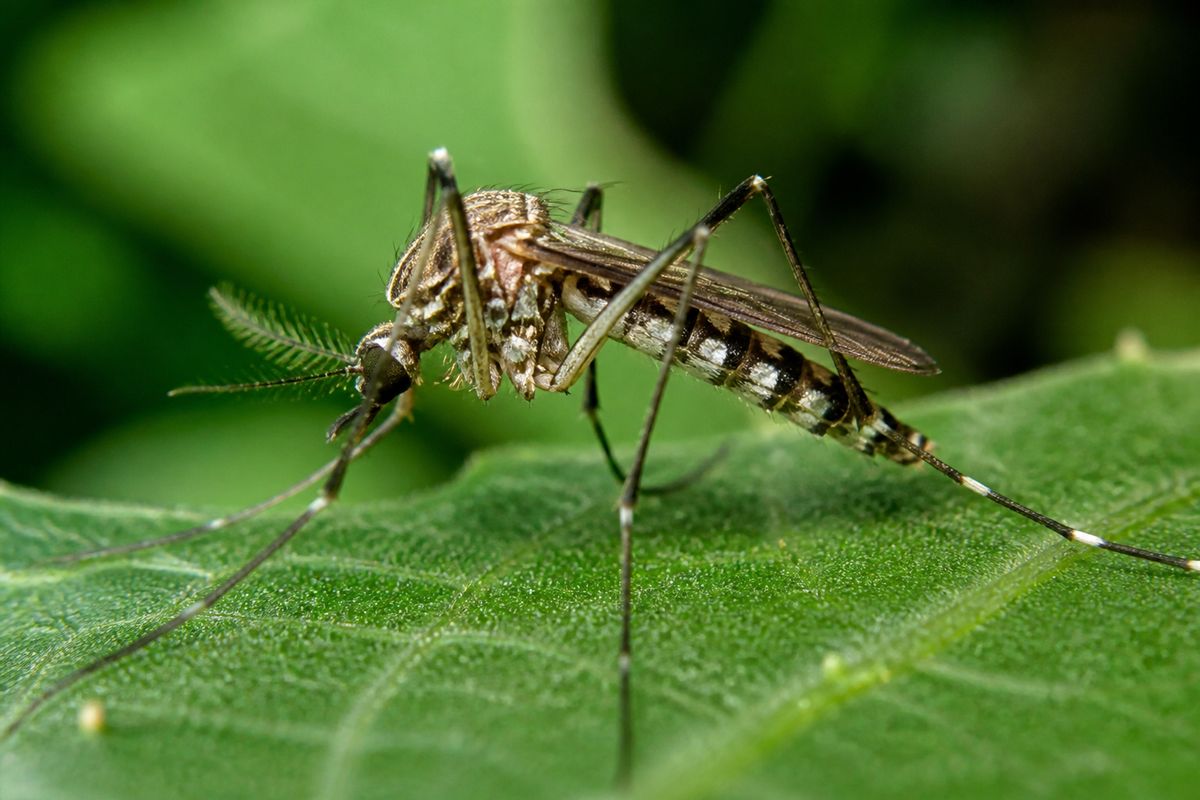
If mosquitoes are eating you alive on the porch, peppermint oil looks like an easy fix. Does peppermint oil repel mosquitoes well enough to matter? Somewhat, and only for a short window. Lab studies show peppermint oil can deter mosquitoes for roughly one to three hours at high concentrations, but that is nowhere near the multi-hour, multi-species reliability of an EPA-registered repellent, and it fades fast once you dilute it for skin or spray use.
For more help, see our Homemade Peppermint Pest Repellent Spray (DIY Recipe) guide.
Does peppermint oil actually repel mosquitoes?
What the research actually shows
Peppermint oil is one of the better-performing essential oils in lab repellency trials, but "better than most essential oils" is not the same as "reliable." In one controlled study using arm-in-cage testing, undiluted peppermint oil gave a complete-protection time of about 90 minutes against Aedes aegypti, 180 minutes against Anopheles dirus, and 300 minutes against Culex quinquefasciatus, making it one of the stronger single essential oils tested but with results that swing widely by mosquito species. That variability is the key point: peppermint oil's effect is real but inconsistent, and it was tested at full (100%) concentration, not the diluted 5-15% mixtures most people actually spray or rub on their skin. Diluted to 10% in a carrier oil, the same study recorded protection dropping to about 64 minutes, which is closer to what you should expect from a homemade recipe.
Do not expect peppermint oil to match an EPA-registered active ingredient. Products have to pass efficacy testing before the EPA lets them claim mosquito or tick control, and even low-concentration versions of ingredients like DEET or picaridin are required to hold up for at least an hour or two, with higher concentrations lasting considerably longer. The National Pesticide Information Center notes that repellents under 10% active ingredient may only protect for 1-2 hours, while higher concentrations protect longer. Peppermint oil, diluted for home use, sits at the weak end of that range at best, and it is not EPA-registered as a repellent at all.
Why the scent seems to work, and why it stops working
Mosquitoes find you using body heat, exhaled carbon dioxide, and skin odor. Peppermint oil's menthol-heavy scent appears to mask or interfere with some of those cues at close range, which is likely why it shows any repellency at all. The problem is that essential oils evaporate quickly. Once the scent thins out, so does the effect, and outdoor conditions like wind, heat, and humidity accelerate that. This is why peppermint oil tends to help most for short, close-range tasks (watering plants, sitting near a door) and struggles for a full evening outside.
When peppermint oil is not enough
If you are dealing with heavy mosquito pressure, standing water nearby, or you need to be outside for more than an hour, peppermint oil by itself will not hold up. Reapplication every 20-30 minutes outdoors is not realistic for most people, and even then coverage is uneven. In those conditions, switch to an EPA-registered repellent and treat peppermint oil as a backup or a mild add-on, not your main defense.
How to apply peppermint oil safely on skin
Always dilute it before applying
Never apply peppermint essential oil undiluted to skin. Undiluted essential oils are a known cause of irritant and allergic contact dermatitis, and dermatology guidance is specific on this point: people should not apply neat, undiluted essential oils directly to the skin because it can lead to sensitization. Dilute first, then patch-test, and only increase strength if your skin tolerates it.
Use this mixing ratio for skin application:
- Add 1 tablespoon (about 15 mL) of a carrier oil such as coconut oil or fractionated coconut oil to a small clean bottle.
- Add 6 to 10 drops of 100% peppermint essential oil (Mentha piperita).
- Cap and shake to combine.
- Apply a thin layer to exposed skin only, and expect to reapply within 30-60 minutes outdoors.
If you have sensitive skin, start at 6 drops. Skip "peppermint extract" or fragrance-oil products labeled just "peppermint oil"; they are not the same as peppermint essential oil and will not have comparable menthol content.
Patch-test first to reduce irritation risk
Even diluted, peppermint oil can irritate skin, especially if you have eczema, allergies, or fragrance sensitivity.
- Put a small amount of the diluted mixture on the inside of your forearm or behind your ear.
- Wait 24 hours without washing the area repeatedly.
- Watch for burning, itching, swelling, hives, or a spreading rash.
- If irritation appears, do not use it on your body.
If you notice mild irritation, drop to 4-6 drops per tablespoon next time, or use peppermint only in room and outdoor sprays instead of on skin.
Where to apply it for short-term protection
Keep the application thin and limited to skin that will actually be exposed outside.
- Apply to forearms, hands (avoid if you will touch your eyes), and calves in a thin layer.
- Reapply after sweating or rubbing the area, since the scent layer breaks down fast on skin.
- Avoid layering it under tight clothing, since trapped heat raises irritation risk.
- Pair it with long sleeves or pants when you can, since peppermint oil alone is not enough for extended exposure.
Apply right before heading outside and plan on reapplying every 30-60 minutes if mosquitoes are active. If you are still getting bitten, that is a sign to switch products, not add more oil.
Areas to avoid, including eyes and broken skin
Peppermint essential oil is too irritating for sensitive spots.
- Do not apply near eyes, eyelids, nose, mouth, or genitals.
- Avoid broken skin, cuts, scrapes, or active rashes.
- Keep it off freshly shaved skin and sunburned areas.
- Wash your hands after application, especially before eating or touching your face.
If peppermint oil gets in your eyes, rinse with cool running water for 15 minutes and seek medical advice if irritation continues. Broken skin absorbs more oil, so irritation risk goes up even with dilution.
Best ways to use peppermint oil around the home
Room sprays and diffusers for indoor use
Peppermint oil can make a room less appealing to mosquitoes by changing the air's scent profile, but it will not clear a room that already has an infestation, and it does nothing about entry points like torn screens or gaps around doors.
- Mix 15 drops of peppermint essential oil into 1/2 cup (about 120 mL) of water, then add a small squirt of dish soap so the oil disperses instead of floating on top. Shake before each use.
- Spray lightly toward walls and corners, not directly onto bedding or electronics.
- Or run a diffuser on low for 30-60 minutes before you spend time in the room.
Keep windows closed while diffusing, then air the room out afterward. Stop if anyone in the home gets headaches or respiratory irritation from the scent.
Outdoor use on patios, decks, and entry points
Outdoors, peppermint oil works best as a localized deterrent around where mosquitoes enter or where people are sitting, not as whole-yard protection.
- Mix 10 to 15 drops of peppermint essential oil per cup of water, then add a few drops of dish soap to help it emulsify instead of separating.
- Spray along door thresholds, windowsills, porch rails, and the area right around outdoor seating.
- Focus on shaded entry points where mosquitoes rest, like under steps or near outdoor lights.
- Reapply every 2 to 3 days, and always after rain, since the scent washes off and evaporates.
Peppermint oil will not stop mosquitoes from breeding nearby. Dump standing water first (buckets, clogged gutters, plant saucers), since that does more to cut mosquito numbers than any spray.
Why peppermint oil is a deterrent, not pest control
Peppermint oil changes what mosquitoes smell, which can make them less likely to land nearby. That is different from killing mosquitoes, reducing a breeding population, or sealing off how they get inside. If mosquitoes are actively breeding on your property, scent alone will not bring the numbers down.
Treat peppermint oil as a "fewer bites while I'm out here" tool. For an actual reduction in mosquito pressure, pair it with removing standing water, clearing gutters, repairing torn screens, and using an EPA-registered repellent when you need to be outside for a while.
Peppermint oil blends and application ideas
Mixing with carrier oils for skin use
Blending peppermint essential oil into a carrier oil makes it easier to apply evenly and lowers irritation risk compared to using it near-neat.
- Choose a carrier oil such as coconut oil, jojoba oil, or almond oil.
- Mix 6 to 10 drops of peppermint essential oil per tablespoon of carrier oil.
- Store in a small, labeled bottle away from direct sunlight.
- Apply a thin layer to exposed skin only, right before going outside.
Increase drops gradually if you want a stronger scent; do not jump straight to a high concentration. If your skin tingles or reddens, cut back next time.
Using it in spray bottles for fabrics and surfaces
Peppermint sprays can help on clothing and curtains where mosquitoes tend to land, but they still need to be tested for staining and fabric damage.
- In a spray bottle, add 1 cup (240 mL) of water.
- Add 20 drops of peppermint essential oil.
- Add 1/2 teaspoon of dish soap or a solubilizer to help the oil mix with water.
- Shake well, spray onto clothing from a distance, and let it dry before wearing.
Test fabric in a hidden spot first for discoloration or texture change. Do not spray directly onto anything that will touch your eyes, such as face shields or goggles.
Combining peppermint with other repelling oils
Blending oils can slightly broaden the scent profile, but combining does not multiply effectiveness the way people assume, and it does raise irritation risk.
- Start with a base peppermint blend (6 to 10 drops per tablespoon of carrier oil for skin use).
- Add one complementary oil, such as citronella or eucalyptus, at 1 to 3 drops per tablespoon, then mix fully.
- Patch-test on your forearm before wider use.
- For outdoor sprays, keep the total essential oil count around 15 to 25 drops per cup of water, plus a solubilizer.
Avoid stacking more than two oils. More fragrance sources mean more chances for skin irritation or headaches indoors.
Peppermint oil for bites, headaches, and scalp care
Cooling relief on mosquito bites
Peppermint oil creates a cooling sensation that can take the edge off itching, but it does not heal the bite or prevent swelling. Never put it directly on broken or scratched skin.
- Dilute peppermint essential oil first (6 drops per tablespoon of carrier oil).
- Apply a small amount to the bite with clean fingertips or a cotton swab.
- Use once, then wait several hours to see how your skin reacts.
- Stop if burning, worsening redness, or a rash appears.
Keep it away from eyes and off open wounds. If bites are severe or keep swelling, treat the irritation directly and switch to an EPA-registered repellent to prevent new bites.
Peppermint oil for headaches or sinus comfort
Peppermint oil is commonly used for a cooling, comfort-focused effect, but it can irritate eyes and mucous membranes and trigger sensitivity in some people.
- Mix 2 to 4 drops of peppermint essential oil into 1 teaspoon (5 mL) of carrier oil.
- Massage a small amount onto the temples and back of the neck.
- Avoid the area near your eyes and wash your hands after applying.
- For sinus comfort, apply to the upper cheeks and forehead while staying well clear of the nostrils.
If you have asthma, strong fragrance sensitivity, or frequent headaches, skip this and use a different method. Stop if symptoms worsen after applying.
Using it on the scalp without overdoing it
Peppermint oil can feel stimulating on the scalp, but too much dries out skin and causes irritation.
- Mix 2 to 3 drops of peppermint essential oil into 1 tablespoon of a carrier oil, such as jojoba.
- Part your hair and massage gently into the scalp for 2 to 3 minutes.
- Leave on for 15 to 30 minutes, then rinse and shampoo.
- Limit use to 1 to 2 times per week at first.
Skip peppermint oil if you have active scalp irritation, open sores, or a very sensitive scalp. If burning or itching lingers, cut the drops next time or stop entirely.
Safety tips, limits, and when to choose another repellent
Who should avoid peppermint oil or ask a clinician first
Peppermint essential oil is not automatically safe for everyone. People with sensitive skin, a history of fragrance allergies, or existing dermatitis need to be more careful.
Avoid peppermint oil on skin if you:
- Have a known allergy to peppermint or menthol.
- Have eczema, severe skin sensitivity, or frequent contact dermatitis.
- Are pregnant or breastfeeding, unless a clinician approves.
- Are applying it around small children, since irritation risk is higher for them.
If you plan to use peppermint oil regularly, check with a clinician or pharmacist first, especially with asthma or other conditions triggered by strong scents. For everyday mosquito protection, an EPA-registered option suited to your age group is the more dependable pick.
How long protection lasts and when to reapply
Peppermint oil's protection fades as it evaporates and rubs or washes off. Lab testing on one mosquito species found roughly an hour of protection from a 10% dilution, so expect real-world coverage on skin to run well under that at typical spray-on strengths, shorter than most registered repellents.
For skin use, reapply when:
- You sweat heavily, since the oil layer breaks down faster.
- 30-60 minutes have passed and you are noticing bites starting.
- You washed the area or rubbed it with a towel.
For sprays around the home, reapply every 2 to 3 days, and always after rain. In strong wind, reapply more often, since the scent disperses quickly. If you need predictable coverage, an EPA-registered repellent is the better tool rather than constantly topping up peppermint oil.
Signs you should switch to an EPA-registered repellent
Switch when peppermint oil is not keeping mosquitoes off you in practice, not based on how long you hope it will last.
- You get new bites within an hour of applying peppermint oil to exposed skin.
- Mosquito activity is high outdoors and you are still getting bitten near entry points.
- Itching keeps increasing during the same outing.
- You are spraying repeatedly but still seeing mosquitoes land.
EPA-registered repellents undergo efficacy testing and carry clear guidance on concentration and reapplication intervals, which is why the NPIC points to them as the dependable option for extended time outdoors.
What to know before buying peppermint-based repellents
How to read labels on sprays, oils, and pest-control products
Not all "peppermint" products contain peppermint essential oil, and not all are meant for the same use.
When shopping, look for:
- The ingredient list confirming "peppermint essential oil" or "Mentha piperita (peppermint) oil."
- Clear dilution guidance for skin use, if the product is marketed for personal application.
- A reputable format, such as a pure essential oil for dilution, or a labeled spray meant for outdoor use.
Skip products that only list "peppermint fragrance" or unspecified "peppermint oil," and skip any "mosquito" product that will not name its active ingredients or method of action.
When a dedicated mosquito repellent is the better choice
Peppermint oil can help take the edge off in low-mosquito situations, but it was not built for long-duration or high-pressure exposure. If you live somewhere with heavy mosquito activity, need protection for a full evening, or are traveling somewhere with mosquito-borne disease risk, a dedicated EPA-registered repellent is the safer, more reliable choice.
Choose a dedicated repellent when:
- You will be outdoors for more than an hour.
- You are in a region with heavy mosquito populations.
- You need dependable protection for children or anyone prone to skin irritation from essential oils.
Use peppermint oil for short, low-stakes situations, like reducing landings while you set up outdoor seating. For anything longer, rely on a product with an established active ingredient and clear reapplication instructions.
Frequently Asked Questions
Does peppermint oil repel mosquitoes?
To a degree, and only briefly. Lab tests show peppermint oil can deter mosquitoes for roughly one to three hours at full strength, but diluted for home use it is closer to 30-60 minutes, well short of what an EPA-registered repellent delivers. Use it for short outdoor tasks, not as your only defense for a full evening.
Do mosquitoes hate peppermint?
Many mosquitoes do seem to avoid the scent at close range, but that is not the same as complete protection, especially outdoors or where mosquito numbers are high. Peppermint oil works as a mild deterrent signal, and how well it works depends on how much scent is still in the air.
Can you apply peppermint oil directly to skin?
No. Dilute it in a carrier oil first and patch-test before wider use. Undiluted essential oil can cause burning, redness, or contact dermatitis, and dermatology guidance specifically advises against applying neat essential oils to skin.
How do you use peppermint oil for mosquitoes?
Dilute it for skin use (6-10 drops per tablespoon of carrier oil), or mix it into a spray for rooms, patios, or clothing (10-15 drops per cup of water plus a little dish soap). Reapply often. On skin, plan on every 30-60 minutes outdoors; for home sprays, every 2-3 days and after rain.
Is peppermint oil good for bug repellent?
It is a mild, short-lived natural deterrent for some insects, not a substitute for a registered repellent when you need dependable protection. Use it as a supplement to real prevention (removing standing water, screens, EPA-registered products), not as the main strategy.