Where Do Rhinoceros Beetles Live? Habitat and Distribution Guide
Rhinoceros beetles are among the most fascinating insects on the planet. Known for their impressive size and distinct horn-like structures, these beetles belong to the family Scarabaeidae and are well-known for their unique characteristics and ecological importance. Understanding where rhinoceros beetles live is essential for conservation efforts, ecological studies, and simply appreciating the biodiversity of our planet. In this article, we will explore the various habitats and distributions of rhinoceros beetles around the world.
Physical Characteristics
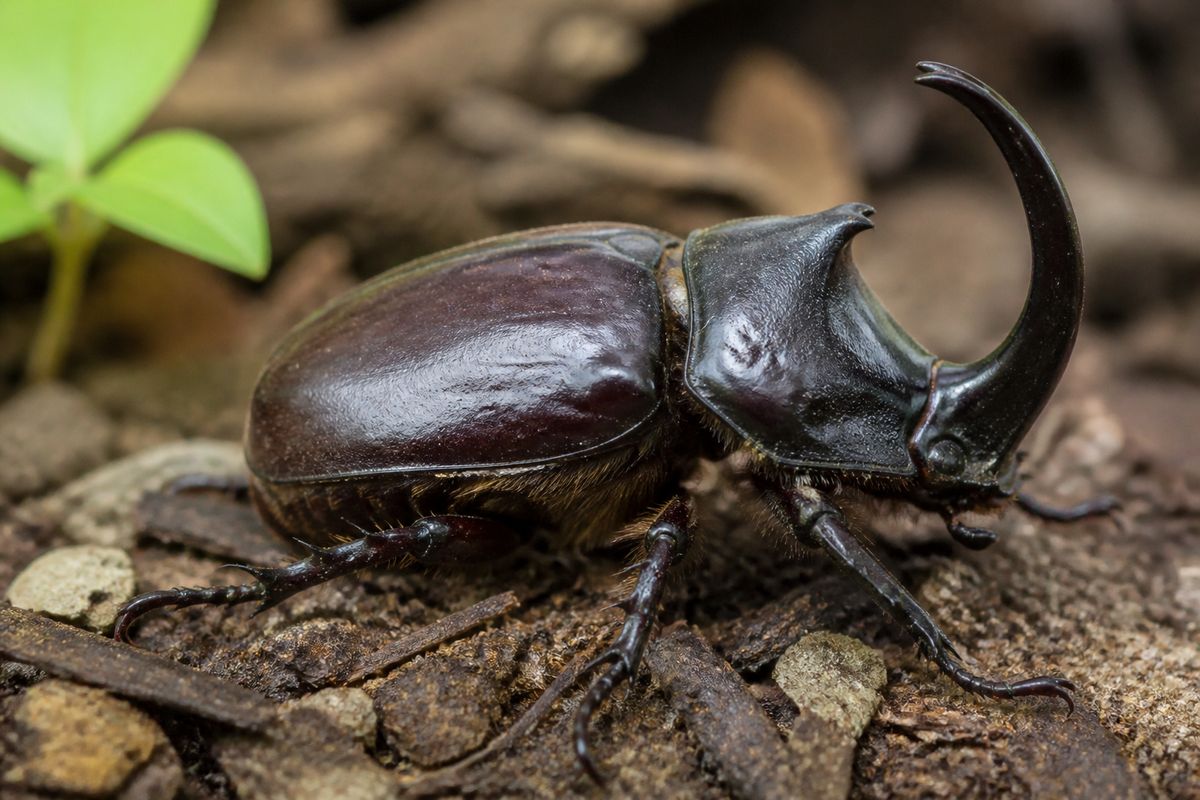
Before diving into their habitats, it’s essential to understand what makes rhinoceros beetles so unique. These beetles can be recognized by their robust bodies, which can range from 1 to 6 inches in length, depending on the species. The most notable feature is their horns, often resembling those of a rhinoceros, which males typically possess as a means to attract females and fend off rivals. Their coloration varies widely but generally includes shades of black, brown, or green, often with a glossy finish.
Global Distribution
Tropical Rainforests
Rhinoceros beetles are predominantly found in tropical regions around the world. They thrive in environments that provide abundant food sources and suitable breeding grounds. Tropical rainforests, with their high humidity and diverse flora, serve as ideal habitats for many species of rhinoceros beetles. Regions like the Amazon rainforest in South America and Southeast Asian rainforests harbor some of the most diverse populations of these insects.
Characteristics of Rainforest Habitats
In tropical rainforests, rhinoceros beetles often inhabit areas rich in decaying wood and leaf litter. These materials serve as both food sources and breeding sites. The moist environment allows for a healthy population of detritivores, organisms that break down dead organic matter, which serves as food for larvae.
Savannas and Grasslands
Apart from rainforests, rhinoceros beetles can also be found in savanna ecosystems, characterized by open grasslands dotted with trees. These environments provide ample food sources such as decaying plant matter and dung from herbivores. The African savanna is home to several species of rhinoceros beetles that play vital roles in nutrient cycling as they feed on decomposing organic material.
Adaptations to Savanna Life
In savanna habitats, these beetles have adapted to withstand fluctuating temperatures and periods of drought. They often burrow into the ground or seek shelter under stones or fallen logs during harsh weather conditions. This adaptability allows them to survive in environments where moisture levels can vary significantly.
Urban Environments
Interestingly, rhinoceros beetles have also adapted well to urban settings. As cities expand into natural habitats, these resilient insects have found ways to thrive. They often inhabit parks, gardens, and even agricultural fields on the outskirts of urban areas.
Urban Habitats
In urban environments, rhinoceros beetles can be found in compost heaps, gardens filled with mulch or organic waste, and wood piles. The presence of human-made habitats provides a new array of resources that these beetles can exploit for survival.
Habitat Preferences
Soil Types
Soil composition plays a critical role in determining where rhinoceros beetles live. Many species prefer loamy or sandy soils that allow for easy burrowing during their larval stages. These soils retain moisture while providing adequate aeration, conditions essential for developing larvae.
Seasonal Availability of Food Sources
Rhinoceros beetles are also influenced by seasonal changes in their habitat. In temperate regions, they may go through life cycles that synchronize with seasonal flowering plants or rotting wood availability. Understanding these seasonal patterns is crucial for studying their populations and conserving their habitats.
Ecological Roles
Decomposers
Rhinoceros beetles play a critical role in ecosystems as decomposers. By breaking down decaying plant matter and dung, they contribute significantly to nutrient cycling within their habitats. This process aids soil health and promotes the growth of new plants, a fundamental aspect of ecosystem functioning.
Pollinators
Interestingly, some species of rhinoceros beetles may also contribute to pollination while feeding on sap or nectar from flowers. Though not primarily known for this role compared to other insects like bees or butterflies, they still make an impact on local flora diversity.
Conservation Concerns
Despite their resilience and adaptability, many rhinoceros beetle species face threats due to habitat loss caused by deforestation, urbanization, and agricultural expansion. As global biodiversity continues to decline, understanding the specific habitat requirements and distribution patterns of these fascinating insects becomes increasingly important for conservation efforts.
Protection Measures
Conservation strategies focused on preserving natural habitats are crucial for maintaining healthy populations of rhinoceros beetles. Efforts such as reforestation projects in tropical regions or creating green spaces within urban environments can help sustain these valuable insects.
Conclusion
Rhinoceros beetles are remarkable creatures that occupy various habitats worldwide, from lush tropical rainforests to arid savannas and even urban settings. Their unique adaptations enable them to thrive in diverse environments while performing essential ecological functions as decomposers and potential pollinators.
As we strive to understand our planet’s biodiversity better, recognizing the complexity of habitats that support rhinoceros beetle populations is vital for ensuring their survival amid changing environmental conditions. By prioritizing conservation efforts targeting their natural habitats, we can contribute positively to maintaining these incredible insects’ populations for generations to come. Whether you encounter them in a dense forest or your backyard garden, appreciating their role within ecosystems offers valuable insights into the interconnected web of life surrounding us all.