What Do Click Beetles Eat? Diet and Feeding Habits
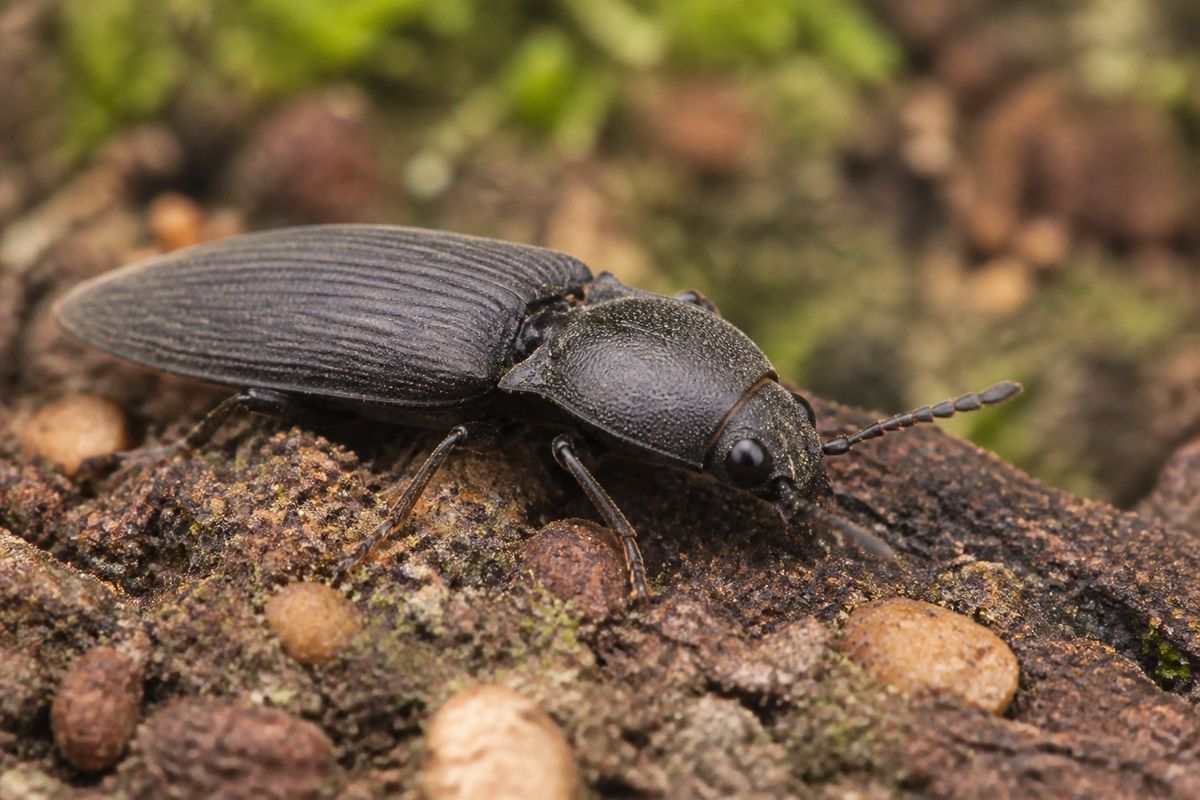
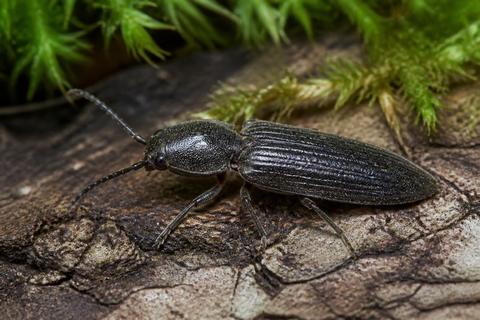
Click beetles, belonging to the family Elateridae, are a fascinating group of insects known not only for their distinctive clicking sound but also for their unique feeding habits. Found in diverse environments around the world, these beetles exhibit various dietary preferences depending on their life stage and species. In this article, we will delve into what click beetles eat, exploring their diet and feeding habits in detail.
Overview of Click Beetles
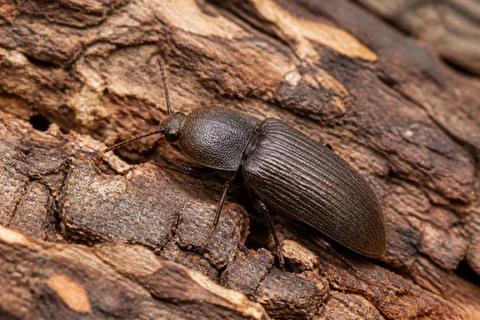
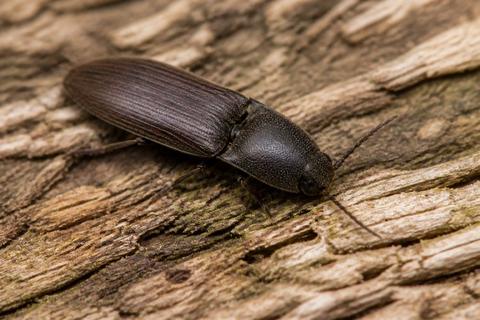
Click beetles are identified by their elongated bodies and distinctive clicking mechanism, which they use for both defense and to right themselves when flipped over. The adult click beetle typically measures between 5 to 60 millimeters in length and can be found in numerous habitats, including forests, fields, and gardens.
The life cycle of click beetles consists of four stages: egg, larva, pupa, and adult. Each stage has different dietary needs and preferences that influence their roles within the ecosystem. Understanding what these beetles consume at each stage provides insights into their ecological significance.
Adult Click Beetle Diet
Adult click beetles generally have a more varied diet compared to their larval counterparts. Many species are considered herbivorous, while others may exhibit omnivorous tendencies.
Herbivorous Adults
The primary diet of many adult click beetles consists of plant material. They often feed on:
- Leaves: Young leaves are particularly attractive to many species of click beetles as they are soft and easy to consume.
- Flowers: Some adult click beetles are attracted to flowering plants, where they may feed on nectar or pollen.
- Seeds: A few species have been known to chew on seeds, playing a role in seed predation.
Omnivorous Adults
While many adults primarily consume plant-based materials, some species exhibit omnivorous behavior. These click beetles may feed on:
- Fungi: Certain click beetles will consume decaying plant matter, including fungi that grow on decomposing wood or leaves.
- Decaying Organic Matter: The role of click beetles as detritivores is significant, as they help break down organic materials in their habitat.
- Small Insects: Though rare, some adult click beetles may feed on small insects or larvae if given the opportunity.
Larval Diet
The larvae of click beetles, commonly referred to as “wireworms,” have a dramatically different diet than the adults. Wireworms are typically found underground and are known for their elongated bodies with a tough exoskeleton.
Primary Diet of Wireworms
Wireworms primarily feed on:
- Roots: They prefer the roots of various plants as their main food source. This can lead to significant damage in agricultural settings.
- Decaying Plant Material: Similar to adults, wireworms also consume decomposing organic matter, contributing to nutrient cycling in soil ecosystems.
- Seeds: Wireworms may also attack seeds buried in the soil, further affecting crop yields.
Impact on Agriculture
The feeding habits of wireworms can be particularly detrimental in agricultural contexts. As they burrow through the soil searching for food, they can cause considerable damage to crops by feeding on roots and seeds. Farmers often take preventive measures to manage wireworm populations by rotating crops or using specific insecticides designed to target them without harming beneficial insects.
Feeding Habits and Techniques
Click beetles utilize specific techniques while feeding that help them efficiently consume their preferred food sources.
Mouthparts Adaptations
Click beetles possess chewing mouthparts adapted for tearing plant material. Their mandibles are strong enough to break through tough leaves or burrow into soil for wireworm larvae.
Sensory Perception
Click beetles have well-developed sensory organs that enable them to locate food sources effectively. Their compound eyes help them detect movement and light changes while strong antennae assist in sensing chemical signals emitted by potential food sources.
Feeding Mechanism
When feeding on leaves or roots, click beetles grasp the material with their mandibles and use a chewing motion to break it down into smaller pieces that can be ingested. The process is methodical; they tend to remain still while feeding before moving on to new areas.
Ecological Role of Click Beetles
Understanding the diet and feeding habits of click beetles is crucial for grasping their role within ecosystems. Here are some ways these insects contribute positively:
Soil Aeration
As adult click beetles burrow into the soil looking for food or shelter, they help aerate the ground. This process is vital for root development in plants and enhances water infiltration.
Nutrient Recycling
Both adults and larvae play an essential role in nutrient cycling by breaking down organic matter. Their feeding habits help enrich the soil with nutrients necessary for healthy plant growth.
Pest Control
While wireworms can be harmful pests in agricultural fields, adult click beetles often prey upon other harmful insects or compete with them for resources within ecosystems. This competitive dynamic helps maintain balance in insect populations.
Conclusion
In summary, click beetles exhibit diverse dietary habits influenced by their life stage and environmental factors. While adult click beetles tend towards herbivory or omnivory, feeding on a variety of plant materials, wireworm larvae primarily focus on roots and decaying organic matter. Their feeding behaviors not only affect plant health but also play critical roles in nutrient recycling and soil aeration.
Understanding these insects’ diets provides valuable insights into their ecological significance and underscores the importance of preserving biodiversity within our ecosystems. By recognizing the roles that seemingly small creatures like click beetles play in larger environmental processes, we can appreciate the complex interdependencies that sustain life on Earth.