How to Spot Click Beetles in the Wild: Field Identification Guide
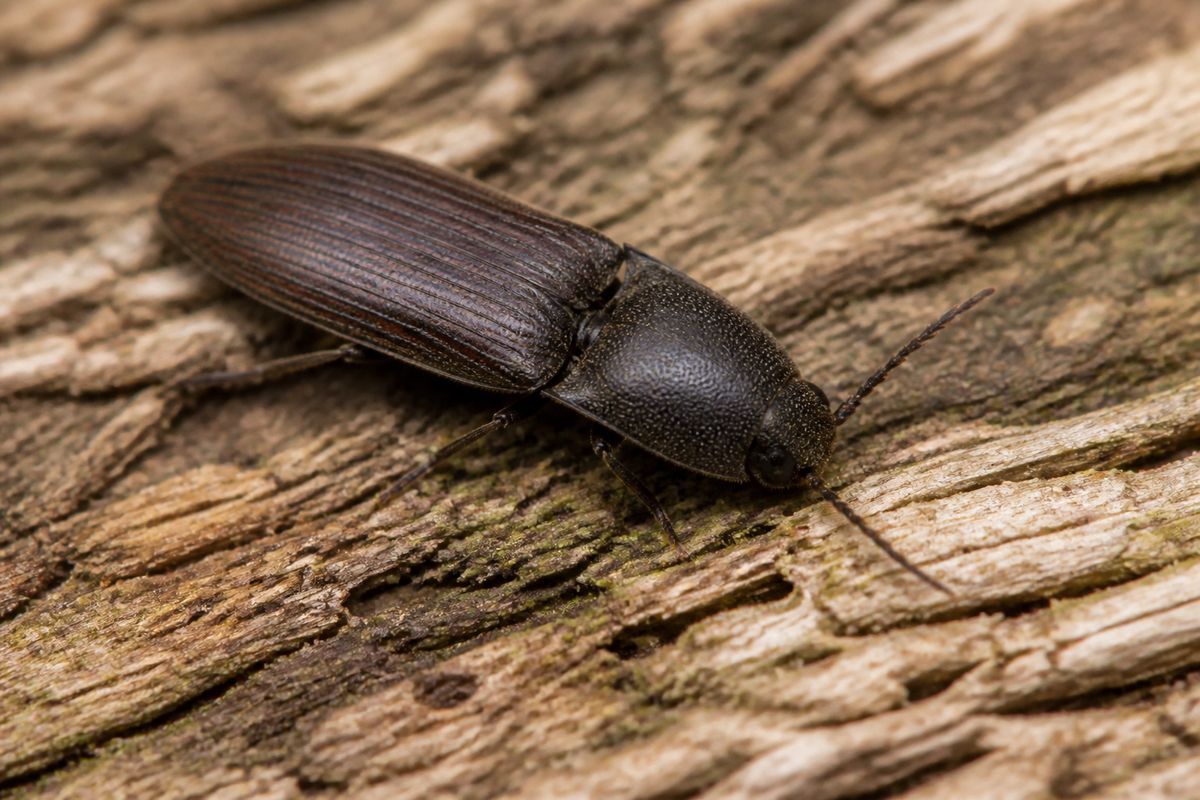
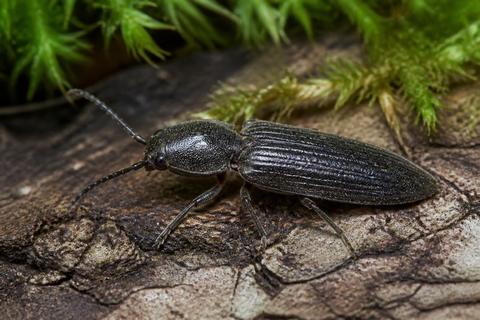
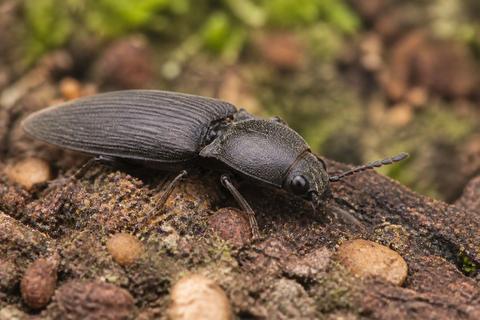
Click beetles, members of the family Elateridae, are intriguing insects known for their distinctive clicking mechanism that allows them to flip into the air when threatened. With over 10,000 species worldwide, these beetles exhibit an array of colors, shapes, and sizes, making them fascinating subjects for entomologists and nature enthusiasts alike. This guide will delve into how to identify click beetles in the wild.
Understanding the Basics of Click Beetles
Before embarking on your quest to spot click beetles, it is essential to understand a few basics about these creatures:
- Body Structure: Click beetles typically possess elongated bodies that can range from 5 mm to 100 mm in length. Their appearance is somewhat flattened with a hard exoskeleton.
- Coloration: They come in various colors, including black, brown, green, and metallic hues. Many species also feature patterns or markings that can help with identification.
- Life Cycle: Like all beetles, click beetles undergo complete metamorphosis, egg, larva (wireworm), pupa, and adult. The larval stage is often more challenging to spot but plays a crucial role in their life cycle.
Habitat and Behavior
Click beetles are commonly found in diverse habitats, including woodlands, grasslands, gardens, and agricultural fields. They thrive in environments where organic matter is plentiful since many larvae feed on decaying plant material or roots of grasses. Adult click beetles are nocturnal and are often attracted to lights at night.
Where to Look
- Ground Cover: Search among leaf litter, under logs, stones, or debris where adults may hide during the day.
- Plants: Inspect vegetation; adults may be found on leaves or flowers.
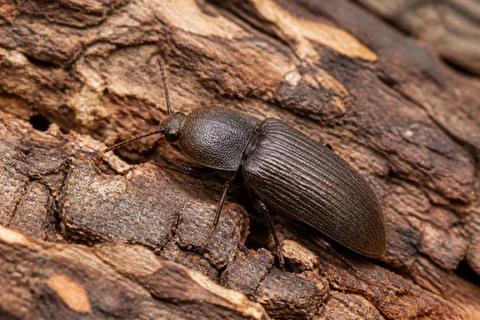
- Logs and Bark: Some species prefer damp environments. Check rotting wood or cracks in bark for signs of presence.
- Nighttime Observation: Utilize a flashlight during nighttime excursions for a better chance of spotting them as they are drawn to artificial lights.
Identifying Click Beetles
To successfully identify click beetles in the wild, focus on several key features:
1. Size and Shape
While sizes can vary greatly among species:
– Small Species: Often measure around 5-10 mm long.
– Large Species: Can reach lengths of up to 100 mm.
Pay attention to whether the body appears elongated or more stout. Some click beetles have a more cylindrical shape while others are broadly flattened.
2. Color Patterns
Coloration can be a crucial identification factor:
– Uniform Colors: Many species display solid colors ranging from black to brown.
– Patterned Forms: Some have intricate patterns or markings that can include spots or stripes.
3. Elytra (Wing Covers)
The elytra of click beetles are particularly noteworthy:
– Texture: Observe whether they are smooth or rough; some species have a granular texture.
– Shape: Note if they meet neatly at the center or if they have a pronounced ridge.
4. Antennae
The antennae of click beetles may be an identifying characteristic:
– Segmented Antennae: Typically composed of 10 segments that can be threadlike or clubbed at the end.
– Length: Some species have long filamentous antennae while others may be shorter and thicker.
5. The Click Mechanism
One of the most distinguishing features is the ability of click beetles to “click”. When flipped onto their backs:
– They will arch their bodies and snap into an upright position making a characteristic clicking sound.
This behavior serves both as a defense mechanism against predators and as a way for them to get back on their feet.
Behavior and Ecology
Understanding the ecological role of click beetles enhances your observation experience:
Feeding Habits
While adult click beetles primarily feed on nectar and pollen from flowers during active months (spring through fall), larvae (often called wireworms) feed on roots and decaying organic matter in soil.
Mating Rituals
Click beetle mating can be observed during warmer months:
– Males often perform elaborate courtship displays involving flight patterns that attract females.
– Females may lay eggs in moist soil or near plants suitable for larval development.
Predators and Defense
Natural predators include birds, small mammals, and other insects. The clicking mechanism serves as an effective deterrent against some predators by allowing them to escape quickly when threatened.
Tips for Spotting Click Beetles
- Visit Diverse Habitats: Explore different environments such as forests, meadows, and gardens where various species may reside.
- Time Your Searches: Conduct searches either early in the morning or late afternoon when activity levels peak.
- Use Light Traps: Set light traps at night to attract nocturnal adults for observation.
- Observe the Environment: Pay attention to nearby plants or decaying wood, ideal places where adults might forage or find shelter.
Common Species of Click Beetles
While there are numerous species worldwide, here are some common ones found in North America:
1. Agrypnus variabilis
Known for its flattened body and mottled coloration, this species blends well into its environment.
2. Athous rufus
With a reddish-brown hue and elongated shape, these beetles are often found in grassy areas seeking food sources.
3. Pyrophorus noctilucus
Commonly known as the firefly click beetle due to its bioluminescent properties; this species provides an exciting opportunity for nighttime observations.
Conclusion
Spotting click beetles in the wild is an enjoyable activity that combines elements of adventure with education about insect ecology and behavior. By understanding their anatomy, behaviors, habitats, and ecological significance, you increase your chances of successfully identifying these fascinating creatures in their natural environment.
Remember always to observe insects respectfully without disturbing their habitats. Happy exploring!