What Is the Life Cycle of Click Beetles? Stages and Facts
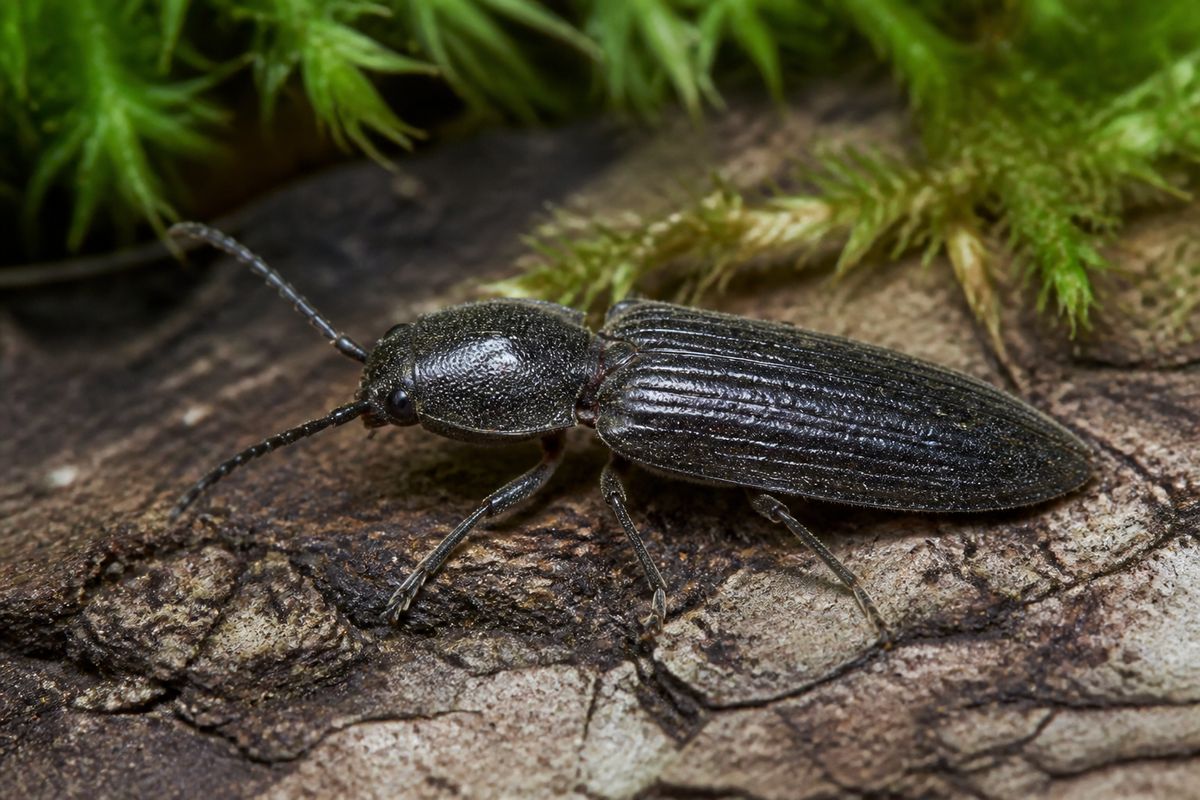
Click beetles, belonging to the family Elateridae, are fascinating insects that exhibit unique behaviors and life cycles. These beetles are named for their ability to produce a clicking sound by snapping their bodies, an action that serves both as a means of escape from predators and a method of righting themselves when they find themselves on their backs. Understanding the life cycle of click beetles not only enhances our appreciation of these insects but also provides insights into their ecological roles. In this article, we will explore the various stages of the click beetle life cycle, along with some intriguing facts about these remarkable creatures.
Overview of Click Beetles
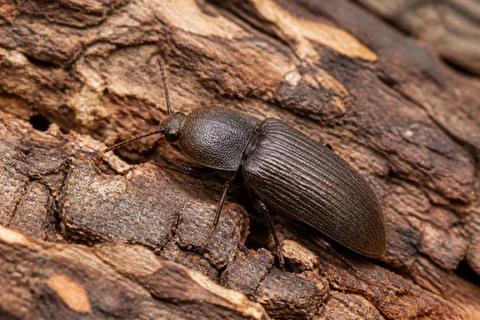
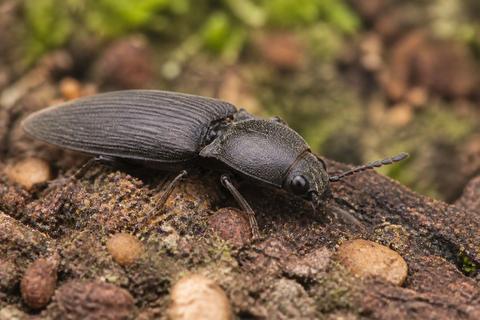
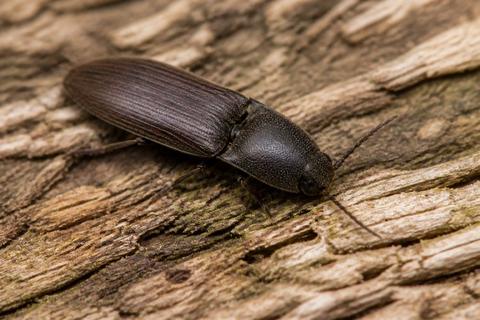
Click beetles are predominantly found in temperate regions around the world, with over 9,000 species identified. They can be recognized by their elongated bodies, hard exoskeletons, and distinctive triangular shape of the thorax. Most species range in size from a few millimeters to over six centimeters. Their colors vary widely, including shades of brown, black, and even metallic hues.
These beetles are primarily nocturnal, feeding mainly on fungi or decaying plant matter during their adult stage. However, it is their larvae, commonly known as wireworms, that often draw attention due to their role as pests in agriculture.
The Life Cycle Stages of Click Beetles
The life cycle of click beetles consists of four main stages: egg, larva (wireworm), pupa, and adult. This complete metamorphosis is typical for most beetle species.
1. Egg Stage
The life cycle begins when female click beetles lay eggs in the soil or decaying matter. Depending on the species and environmental conditions, a female can lay anywhere from a few dozen to several hundred eggs during her lifetime.
Duration: The egg stage lasts from a few days to several weeks based on temperature and humidity levels. Warmer temperatures typically accelerate development.
Location: Eggs are often laid in moist environments where larvae can find ample food sources once they hatch.
2. Larval Stage (Wireworm)
Once the eggs hatch, the larvae emerge as wireworms, a term that stems from their elongated, slender appearance resembling thin wires. The larval stage is crucial for growth and development as it allows the larvae to feed and accumulate energy for transformation into adults.
Feeding Habits: Wireworms primarily feed on roots, tubers, and decaying organic matter. Some species have been known to damage crops like corn and potatoes, making them significant agricultural pests.
Duration: The larval stage can last anywhere from several months to several years (typically one to three years), depending on environmental conditions and food availability. In warmer climates, development may occur more rapidly compared to cooler regions.
Growth: As they grow, wireworms molt multiple times, shedding their exoskeletons to accommodate their increasing body size. This process can involve anywhere from five to twenty molts before reaching maturity.
3. Pupal Stage
After completing its larval development, the wireworm enters the pupal stage. This transformation occurs underground or within decaying wood or organic matter where the larvae have taken refuge.
Duration: The pupal stage typically lasts for two to four weeks but can extend under unfavorable environmental conditions.
Transformation: During this phase, the wireworm undergoes significant physiological changes, transforming into an adult click beetle. This includes reorganization of internal organs and development of adult features such as wings and reproductive structures.
4. Adult Stage
Upon completing its metamorphosis, the newly emerged adult click beetle breaks free from its pupa case. Initially soft-bodied and pale in color, it gradually hardens and darkens as it matures.
Duration: Adult click beetles may live for several months to over a year. During this time, they seek out mates to reproduce and continue the life cycle.
Behavioral Traits: One of the most notable behaviors of adult click beetles is their ability to produce a clicking sound by flexing a specialized joint between their thorax and abdomen. When flipped onto their backs, they use this mechanism to propel themselves into an upright position or escape danger by startling potential predators.
Interesting Facts About Click Beetles
-
Diverse Habitats: Click beetles inhabit a variety of environments ranging from forests and grasslands to gardens and agricultural fields.
-
Bioluminescence: Some species exhibit bioluminescent properties at certain stages of their life cycle; however, this is relatively rare within the family Elateridae.
-
Predation: Adult click beetles have natural predators including birds and other carnivorous insects that prey on them due to their vulnerability during flight or while resting.
-
Ecological Role: Both larvae and adults play critical roles in nutrient recycling within ecosystems by breaking down organic matter.
-
Research Interest: Scientists study click beetles for various reasons including understanding pest management strategies in agriculture due to their potential impact on crop health.
Conclusion
The life cycle of click beetles is a fascinating journey through various developmental stages, from eggs to larvae (wireworms), then pupae, culminating in adult beetles. Each phase presents unique characteristics that contribute not only to the survival of these insects but also enrich our ecosystems through their feeding habits and recycling roles.
Understanding these stages provides valuable insights into pest management strategies while highlighting the essential functions that click beetles serve in nature. Whether you encounter these intriguing insects in your backyard or on a hike through a wooded area, now you know more about their lifecycle and ecological significance!