Where Do Japanese Beetles Live? Habitat and Distribution Guide
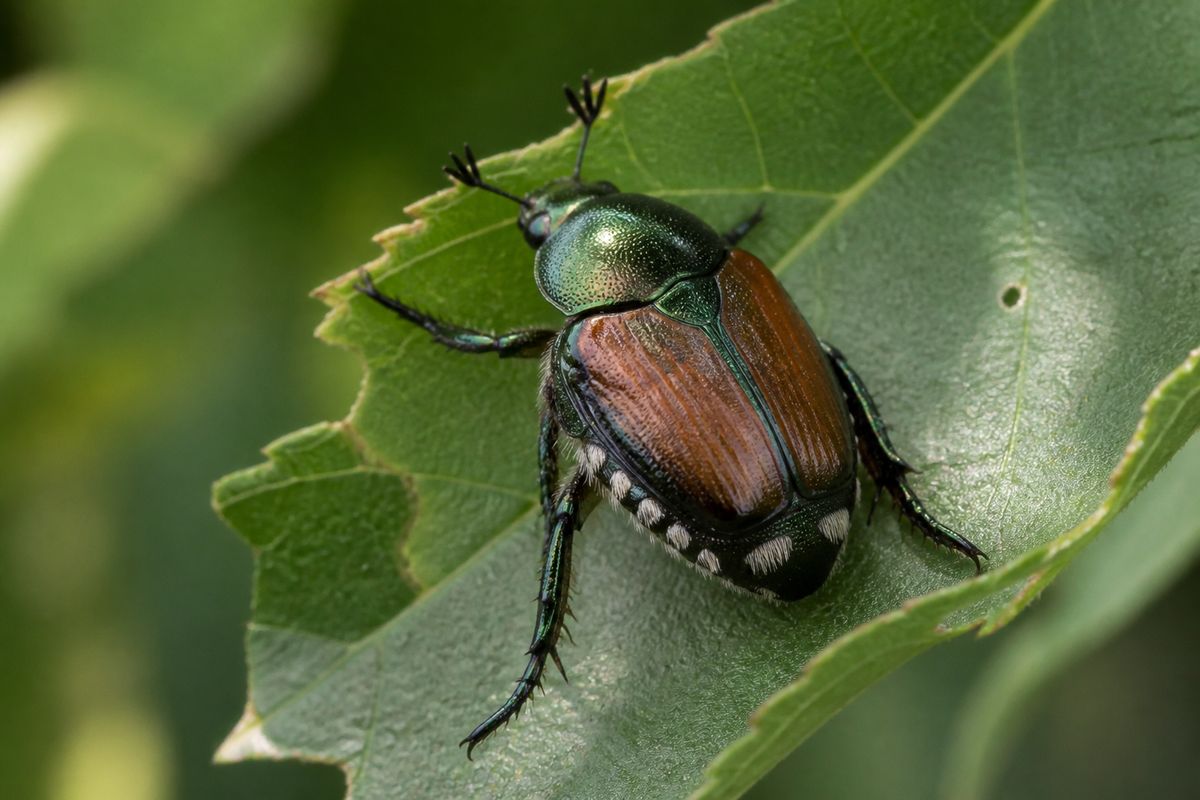
Japanese beetles (Popillia japonica) are notorious pests that have made their mark on gardens, farms, and landscapes across North America. Originally from Japan, these small, metallic green insects have adapted to a variety of environments after their introduction in the early 1900s. Understanding where these beetles live can help gardeners and agriculturalists devise effective control strategies. This article delves into the habitat preferences and distribution of Japanese beetles, providing a comprehensive guide for those seeking to manage their populations.
The Origin of Japanese Beetles
Before diving into their habitat, it’s essential to understand where Japanese beetles come from. Native to Japan, they were first identified in the United States in 1916 when they were likely introduced through imported plants. Since then, they have spread across much of the eastern and midwestern United States due to their ability to thrive in various conditions.
Preferred Habitat
Urban Areas
Japanese beetles are highly adaptable creatures that thrive in urban settings. They are commonly found in residential gardens, parks, and landscaped areas where their food sources, such as rosebushes, linden trees, and various flowering plants, are abundant. Urban environments provide ample opportunities for feeding and breeding, making them favorable habitats.
Agricultural Lands
Agricultural lands are another prime habitat for Japanese beetles. They are particularly drawn to fields of corn, soybeans, and other crops they find appealing. Farmers often face challenges with these beetles as they can cause significant damage to crops by feeding on leaves and flowers. The open spaces of agricultural lands also allow for greater population growth due to the availability of space for breeding.
Forest Edges
Japanese beetles prefer environments with plenty of sunlight. They are often found along forest edges where there is a mix of sunlight and shade. These transitional areas are ideal because they provide both food sources, such as wildflowers and shrubs, and protection from predators.
Gardens and Landscaped Areas
Home gardens are among the most affected areas by Japanese beetle populations. The presence of ornamental plants makes gardens a prime target for these pests. Commonly disturbed habitats with well-maintained lawns attract Japanese beetles looking for a food supply.
Climate Preferences
Japanese beetles flourish in temperate climates but can adapt to varying weather conditions. They thrive in regions with warm summers and moderate winters. In colder climates, their populations can be significantly reduced during winter months; however, they typically survive underground in the larval stage or as adults hidden within the leaf litter.
Seasonal Activity
Japanese beetles emerge from hibernation during late spring to early summer when temperatures rise consistently above 70°F (21°C). This timing is crucial for their life cycle as it coincides with the blooming of many preferred plants. Once they emerge, adult beetles will mate shortly after, leading to a rapid increase in population during the summer months.
Distribution Across North America
Geographic Spread
Since their introduction to North America, Japanese beetles have expanded their range significantly. Initially concentrated in the northeastern United States, their presence has become widespread across much of the eastern United States and into parts of Canada. Today, they have been reported as far west as Colorado and even California.
Infestation Hotspots
Certain states are particularly prone to Japanese beetle infestations due to climate conditions and agricultural practices:
- New Jersey: One of the first states affected by Japanese beetles, New Jersey has reported high populations due to its favorable climate.
- Ohio: With its extensive agricultural land, Ohio often experiences significant damage from these pests.
- Illinois: As a major agricultural state, Illinois sees numerous infestations affecting both crops and ornamental plants.
- Pennsylvania: Similar to New Jersey and Ohio, Pennsylvania’s climate supports thriving Japanese beetle populations.
- Maryland: This state has also become a hotspot due to its diverse plant life that attracts these pests.
Migration Patterns
While adult Japanese beetles typically do not migrate long distances on their own, they can be transported unintentionally by humans through infested plants or soil. Additionally, strong winds can aid in spreading them over short distances, leading to new infestations.
Factors Influencing Habitat Suitability
Several environmental factors influence where Japanese beetles can thrive:
Soil Type
Japanese beetle larvae develop underground in soil before emerging as adults. Therefore, soil composition is crucial for their lifecycle. Moisture-retentive soils that allow easy movement for larvae are preferred habitats.
Temperature and Humidity
As mentioned earlier, warm temperatures encourage adult emergence from dormancy in spring while humidity supports plant growth, the primary food source for these insects.
Vegetation Diversity
Japanese beetles are more likely to inhabit areas with diverse vegetation that includes both host plants (like roses) and non-host plants that support other insects or serve as barriers against predators.
Impact on Ecosystems
Although considered garden pests by many homeowners and farmers alike, Japanese beetles play a role within their ecosystem:
- Pollination: While feeding on flowers, they contribute somewhat to pollination efforts despite damaging some plants.
- Food Source: Their larvae serve as food for birds and other wildlife.
However, their high reproductive rates often lead to imbalances where they outcompete native species or cause significant crop damage.
Control Measures
Understanding where Japanese beetles live is essential for implementing effective control measures:
Cultural Practices
Implementing cultural practices such as crop rotation or planting resistant varieties can help manage populations. Keeping gardens free from debris can also reduce suitable breeding grounds for larvae.
Chemical Control
Insecticides may be necessary if populations exceed acceptable limits. Timing applications during peak adult emergence (summer) maximizes effectiveness while minimizing environmental impact.
Biological Control
Natural predators like nematodes (microscopic worms) target larvae stages effectively without harming beneficial insects.
Conclusion
Japanese beetles thrive in diverse habitats ranging from urban gardens to agricultural lands. Their ability to adapt to different environments has allowed them to spread widely across North America since their introduction over a century ago. Understanding their habitat preferences can help individuals implement effective control strategies to minimize damage while maintaining ecological balance within local ecosystems. By recognizing where these pests live and how they interact with their environment, homeowners and farmers alike can take proactive steps toward managing Japanese beetle populations effectively.