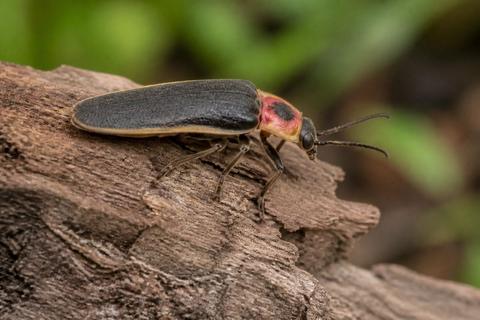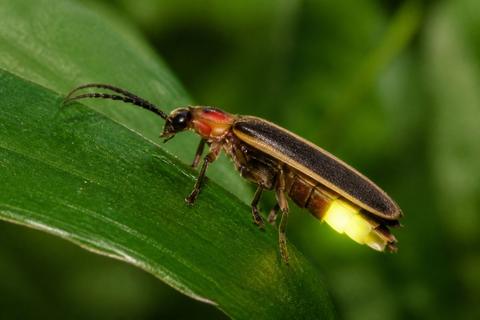
Where Do Fireflies Live? From Leaf Litter to Mangrove Rivers
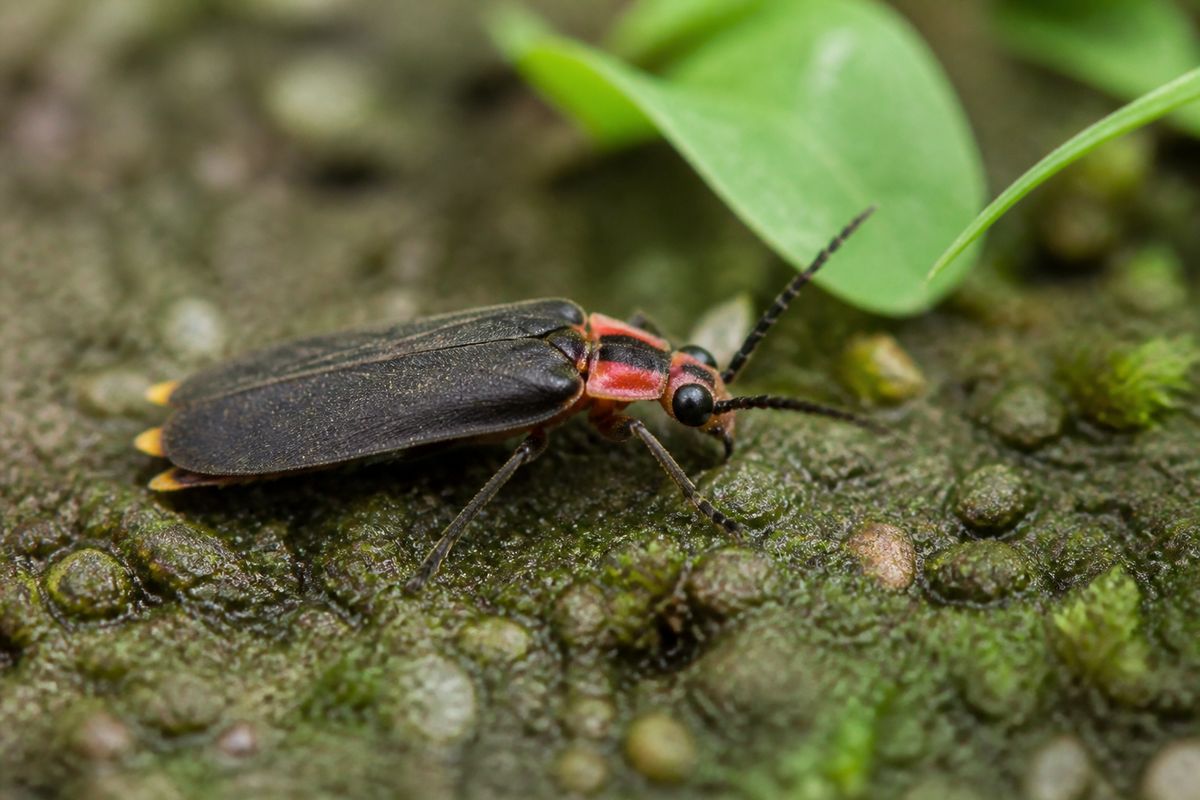
Where do fireflies live? Mostly in places that stay damp after dark: forest edges, wetlands, and tall grass near a stream or pond. Fireflies are beetles in the family Lampyridae, not true flies, and researchers have described more than 2,400 species worldwide. Moisture is the one constant across nearly all of them, because both the glowing adults and their soil-dwelling larvae depend on humid ground to survive.
What a Firefly Habitat Actually Needs
Adult fireflies rarely stray far from where they hatched. They need three things within a small radius: humid air, low-growing vegetation to perch on while flashing, and soft, moist soil or leaf litter underneath for the larvae. Standing water isn't required everywhere, but it helps, since it supports the snails, slugs, and earthworms that larvae hunt.
Forests and Forest Edges
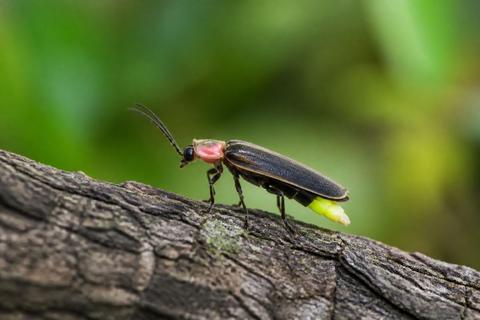
Deciduous woodland with a thick leaf-litter layer is prime firefly ground. Firefly larvae feed on snails, slugs, and soil-dwelling insects such as cutworms, hunting mostly at night on the soil surface or under vegetation, so a forest floor left alone to decompose naturally is doing real work for the next generation. Adults of Photinus pyralis, the common eastern firefly, tend to show up at dusk in the open fields and woodland edges bordering these forests rather than deep under the canopy.
Wetlands and Stream Banks
Marshes, bogs, and the damp ground bordering slow streams support some of the densest firefly populations in North America. A few genera, including some in the Photuris group, have larvae that live right at the waterline and hunt aquatic snails, which is why a healthy population often tracks the health of the wetland itself. Drain the wetland and the fireflies go with it.
Meadows and Tall Grass
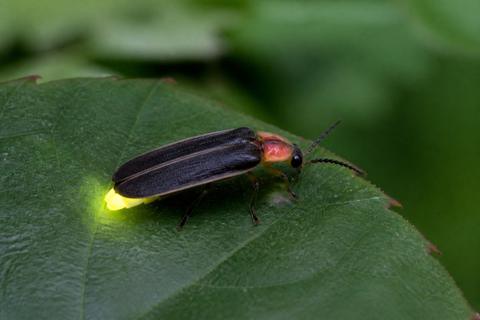
Open, unmowed grassland gives males a clear sightline for their flash pattern and gives females low perches to answer from. Photinus pyralis ranges throughout the United States east of the Rocky Mountains and is most often spotted in exactly this kind of meadow and woodland-edge habitat, from Maine down to Texas.
Backyards and Urban Green Space
Fireflies do persist inside city limits, but only where a yard or park still has unmowed grass, leaf litter left in the beds, and minimal night lighting. A porch light or a floodlit lawn is often enough to suppress local flash activity even if the vegetation is otherwise fine, since males and females use those flashes to find each other and can't do so against competing light.
Where Fireflies Live Around the World
Firefly distribution tracks climate and moisture more than latitude. Warm, humid regions on every populated continent except Antarctica support at least some species.
North America
Photinus pyralis is the species most people in the eastern and central United States see blinking over lawns in June and July. The humid Southeast supports high species diversity, while much of the West, being drier, has far fewer flashing species, though wingless glow-worm types persist there.
South America
Brazil's Atlantic Forest holds a large share of Lampyridae diversity, including species with glow patterns distinct from North American fireflies. Rainforest humidity and a long warm season let larvae stay active nearly year-round rather than overwintering through a cold winter.
Europe
European populations concentrate in the Mediterranean south, with species such as Luciola italica common in Italian grassland and woodland. Many European Lampyridae are glow-worms rather than flashing fireflies, with wingless, glowing females that wait in vegetation for flying males to find them. Habitat loss from farmland conversion is a primary pressure on these populations.
Asia
Southeast Asia and Japan host some of the most visually dramatic firefly displays anywhere. At Kampung Kuantan on Malaysia's Selangor River, thousands of fireflies gather nightly on riverside mangrove trees and flash in unison, a synchronized display that now draws boat tours after dark. In several Asian cultures fireflies carry symbolic meaning tied to summer nights.
What Limits Where Fireflies Can Live
Temperature and Season
Fireflies are cold-blooded and stay inactive in cool weather, so flash activity concentrates in the warm months, starting later the further north or higher in elevation you go. Populations in Canada and the northern US typically don't appear until June, well after their Gulf Coast counterparts.
Artificial Light
Even low levels of artificial light reduce courtship and mating success in several nocturnal North American firefly species, because streetlights, porch lights, and headlights mask or compete with the flash signals males and females use to find each other. Neighborhoods that dim outdoor lighting during firefly season tend to keep larger local populations than those that don't.
Habitat Loss
Wetland drainage, mowing right up to a stream bank, and clearing leaf litter for a tidy lawn all remove the moist ground larvae need to complete a life cycle that, depending on species, can take a year or more of larval development before a single summer of adult flashing. Leaving a strip of leaf litter and tall grass unmowed does more for local fireflies than almost any other single yard change.
Protecting the Habitat You've Got
Fireflies won't move into a yard that's been mowed short, doused in pesticide, and lit all night, but they will often return once leaf litter, damp shaded edges, and darkness come back. Skipping insecticide near flower beds, leaving a log pile or unmown border, and switching off unnecessary outdoor lights from dusk through midnight in early summer are among the most direct changes a property owner can make.