How Do Fireflies Contribute to the Ecosystem? Before They Glow
How Do Fireflies Contribute to the Ecosystem? Mostly before they ever light up. Fireflies belong to the beetle family Lampyridae, and it is the larval stage, not the glowing adults, that does most of the ecological work: a season or two spent underground hunting snails, slugs, and earthworms.
What Fireflies Actually Are
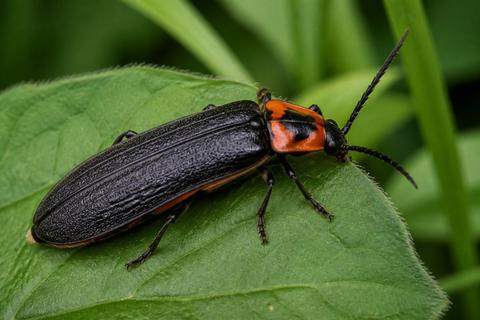
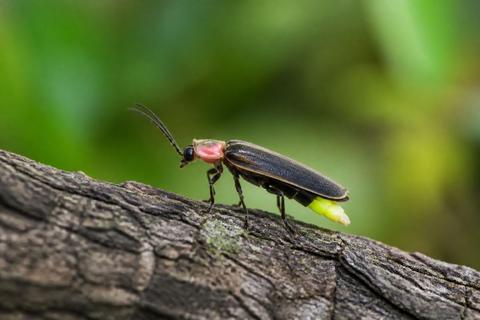
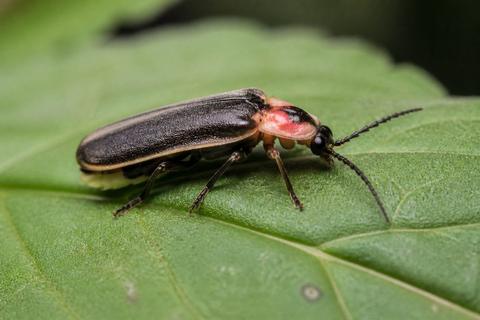
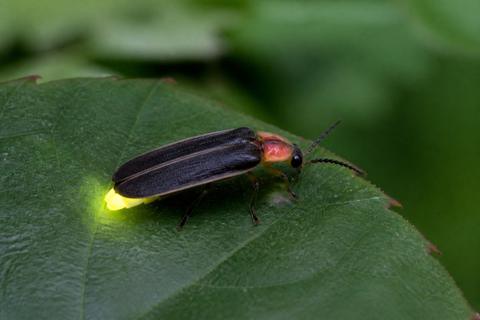
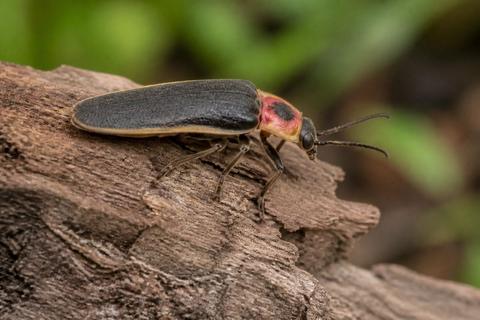
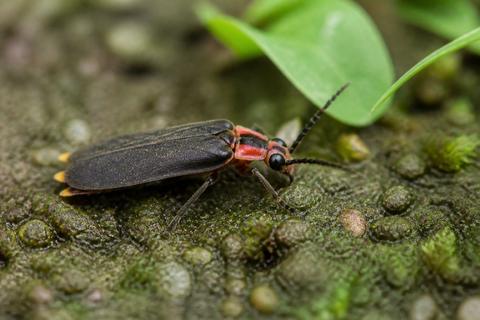
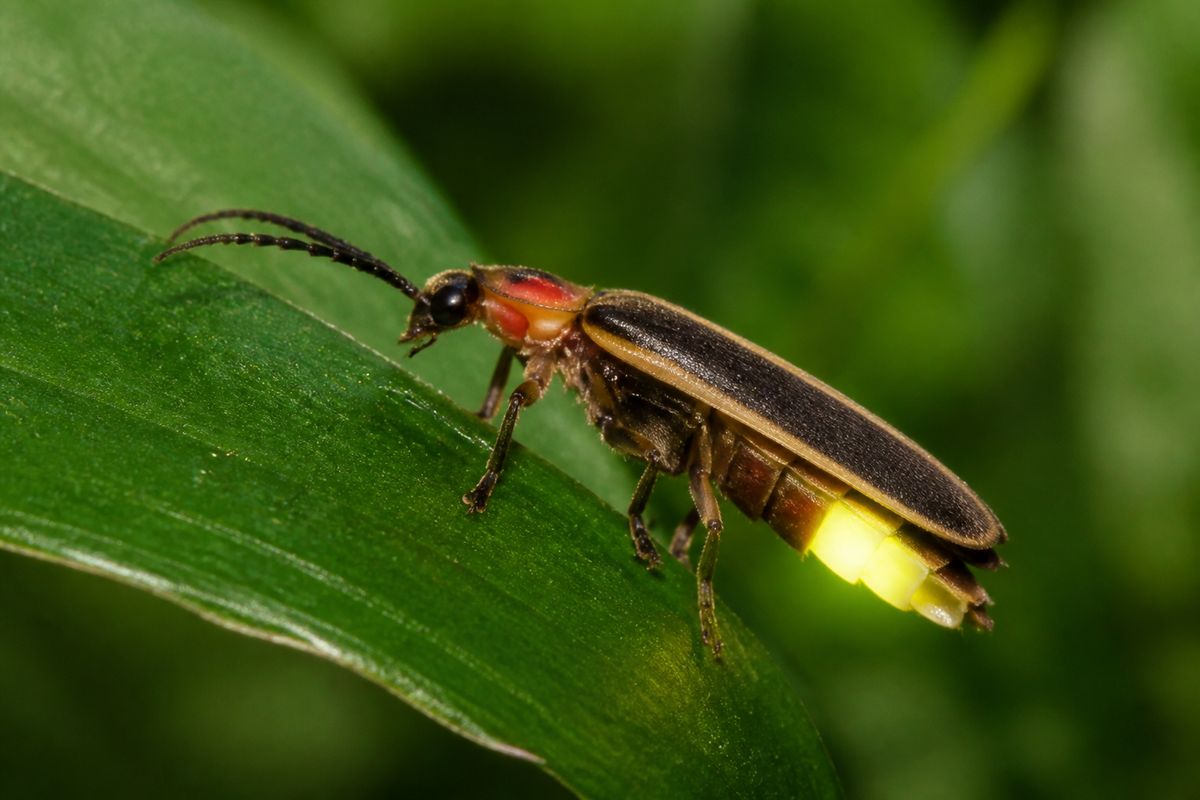
Fireflies are beetles, not flies, in the family Lampyridae, which includes roughly 2,000 species worldwide and around 170 in North America. Adults produce their glow through a reaction between a compound called luciferin and the enzyme luciferase inside light-producing cells called photocytes; oxygen combines with the luciferin in those cells to release light with almost no heat. Adults use the flashes mainly to find mates, with each species flashing its own pattern of color, rhythm, and duration.
Larvae Are the Real Predators
Firefly larvae spend one to two years in soil and leaf litter before ever becoming winged adults, and this is when the species does most of its feeding. They are active hunters of snails, slugs, earthworms, and other soft-bodied prey, injecting digestive enzymes that immobilize and break down the prey before the larva feeds. A single larva can work through several snails or slugs over its development, which makes firefly-friendly yards a quiet form of pest control for gardeners dealing with slug damage.
Prey for Birds, Bats, and Frogs
Adult fireflies are eaten by birds, bats, frogs, and spiders, moving the energy larvae stored up from snails and earthworms further up the food chain. Most predators avoid fireflies when possible, since the beetles produce defensive steroids called lucibufagins that taste bad and, in concentrated doses, are toxic enough to kill lizards such as bearded dragons that eat them. That chemical defense is also why firefly flashes can serve as a warning signal, not just a mating call.
A Signal for Habitat and Pollution Levels
Because firefly larvae live in the same soil and leaf litter they hunt in, their presence or absence tracks local conditions closely. Researchers and community-science projects use firefly counts as one indicator of habitat quality, since larvae are sensitive to pesticide residues and soil disturbance. A yard, field edge, or streambank that supports a healthy firefly population usually also supports the moist soil, leaf litter, and unmowed edges that many other invertebrates need.
Light Pollution Is the Bigger Threat
Firefly populations are shrinking across much of the United States, and light pollution is one of the most direct causes. Controlled studies have found that artificial light can suppress male fireflies' courtship flashes by more than 80%, and can stop females from responding to the males that do flash, which cuts reproduction in lit areas. Habitat loss, pesticide use, and drainage or filling of the damp soils larvae need add to the decline, and climate shifts that change soil moisture and temperature timing affect when larvae mature into adults.
Steps That Actually Help
-
Turn off unnecessary outdoor lighting from late spring through summer, especially porch lights and floodlights facing lawns or fields where fireflies flash.
-
Leave leaf litter and damp edges alone in at least part of the yard. That is where larvae spend most of their one to two years hunting before becoming adults.
-
Skip broad-spectrum pesticides on lawns, since they kill the snails and slugs larvae need along with the larvae themselves.
-
Let the grass grow a little taller before mowing in early summer, since close mowing removes cover during peak flashing season and can crush larvae living near the surface.
None of this requires much effort. A single dark, slightly overgrown corner of a yard, left unsprayed, can support a firefly population for years, and that population is already doing pest-control and food-web work most people never see happen underground.