What Are The Benefits of Fireflies to Pest Control
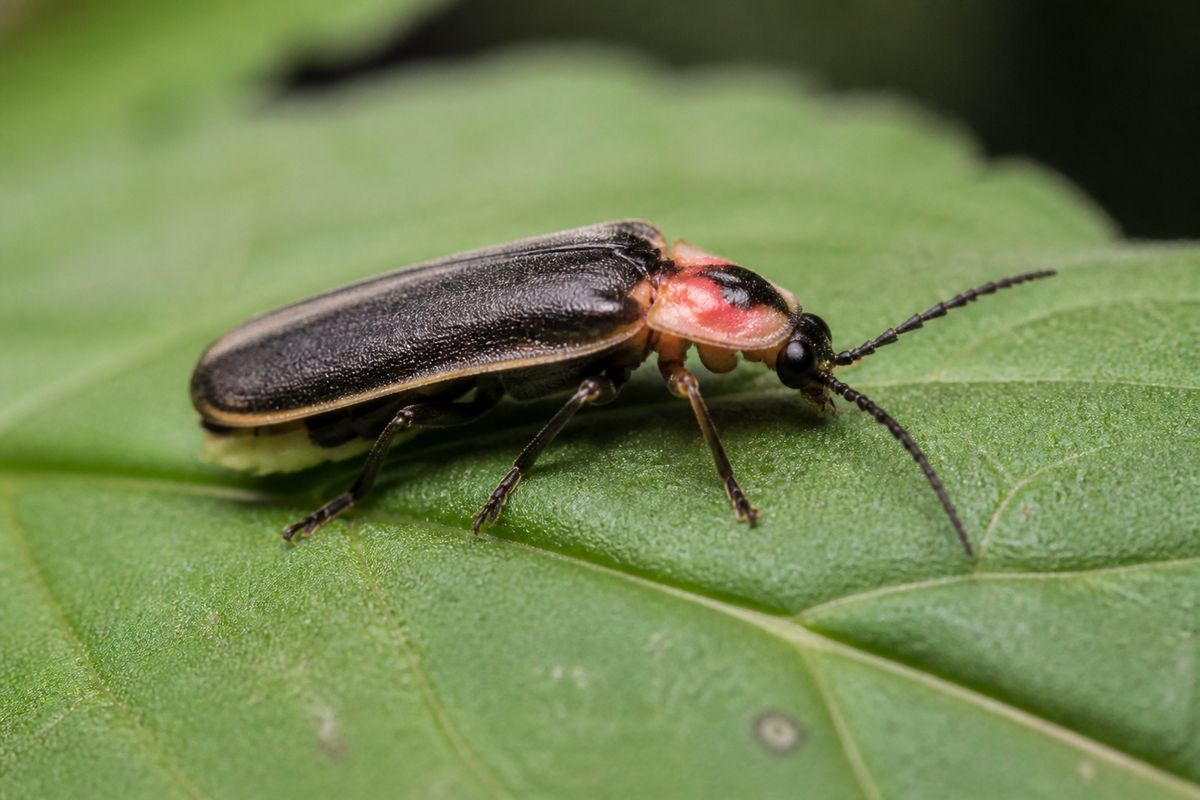
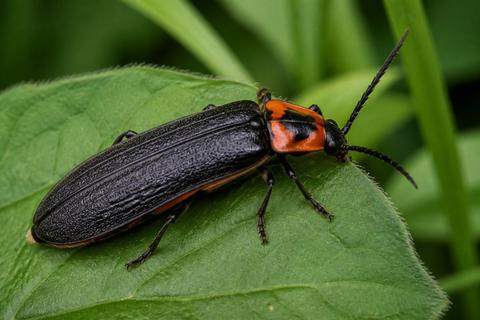
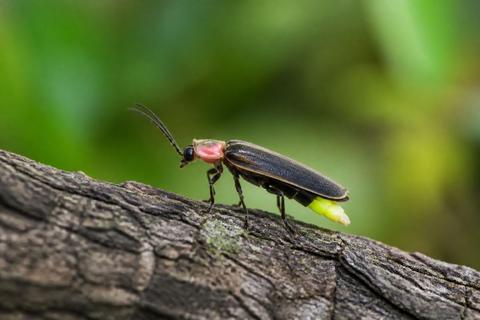
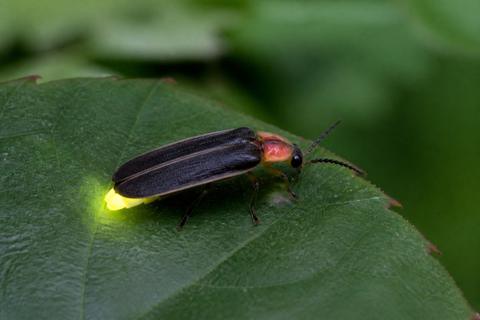
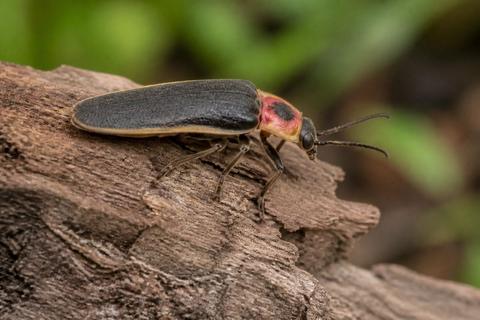
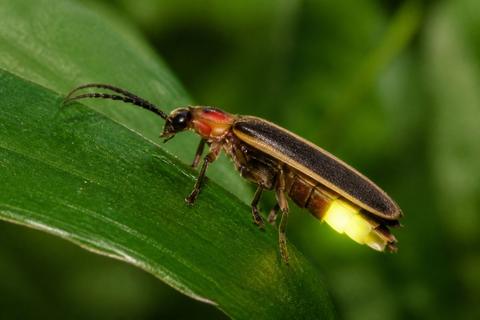
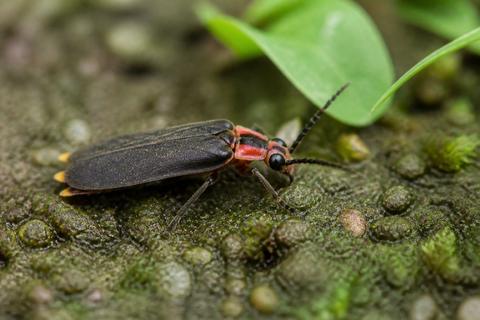
What are the benefits of fireflies beyond their glow on a summer night? The roughly 170 firefly species native to North America (family Lampyridae) do real work in a yard and in a lab: their larvae hunt garden pests, their light-producing chemistry shows up in medical research, and their presence tells you something about the health of the ground under your feet.
Larvae Are Garden Predators, Not Just Glowing Adults
The adult firefly you see blinking at dusk rarely feeds at all; most species live only a few weeks as adults and focus on finding a mate. The real pest control happens earlier, during the one-to-two-year larval stage spent in soil, leaf litter, and along stream edges. Firefly larvae are active predators that hunt snails and slugs, along with earthworms and other soft-bodied invertebrates. Some species, like those in the genus Pyractomena, have narrow heads shaped specifically to reach inside a snail shell. A larva injects paralyzing digestive fluids into its prey, then feeds on the liquefied tissue, a hunting method closer to a spider's than to anything you'd expect from a beetle.
Because that diet overlaps heavily with common garden pests, healthy firefly larvae populations can reduce the number of slugs and snails feeding on vegetable beds without a single application of molluscicide.
An Indicator of Damp, Undisturbed Ground
Firefly larvae need consistently moist soil, leaf litter, or marsh edges to survive their year or more underground, and adults need dark, unmown vegetation nearby to signal in. That combination makes fireflies sensitive to exactly the changes that also hurt earthworms, amphibians, and other ground-dwelling wildlife: soil compaction, drainage of wet areas, pesticide drift, and mowed-to-the-edge lawns. A yard or park that still supports a firefly population is, by extension, one that has retained some of that structural habitat. Their absence over several seasons is a reasonable, if informal, signal that something in the local soil or lighting conditions has changed.
The Chemistry Behind the Glow Powers Real Research
Firefly light comes from a reaction between the enzyme luciferase and a substrate called luciferin, consuming ATP and releasing photons instead of significant heat. Because light output tracks ATP concentration so precisely, firefly luciferase has been isolated and put to work far outside the insect: it's used in laboratory assays to detect ATP in food-safety and water-contamination testing, to measure gene expression by attaching luciferase to a gene of interest, and to screen for pathogenic bacteria and viruses. Synthetic luciferin analogs have since extended the reaction into near-infrared wavelengths for deeper tissue imaging in lab animals.
Light Pollution Is Undoing Much of That Benefit
Firefly courtship runs entirely on flash signals: males fly and flash a species-specific pattern, and females respond from the grass with a matching flash of their own. Streetlights, porch lights, and security floodlights interfere with that exchange. Field and lab experiments on several US species found that artificial light can suppress male flashing by more than 80 percent and stop females from responding to the males that do flash, which cuts directly into how many larvae get produced the following season. Combined with habitat loss and pesticide use, this is a major reason a 2021 assessment estimated that roughly one in three North American firefly species may eventually qualify as threatened with extinction.
Firefly Tourism Brings Direct Income to Small Towns
Synchronous and near-synchronous firefly displays, most famously in the Great Smoky Mountains and Congaree National Park, draw thousands of visitors during a two-to-three-week window each year. Towns near reliable viewing sites see measurable upticks in lodging, restaurant, and guided-tour bookings during that stretch, which gives local governments a direct financial reason to protect the areas where fireflies breed instead of mowing or spraying them.
What Actually Helps Firefly Populations
The threats are specific, so the fixes are too: leave a section of the yard with leaf litter or tall grass uncut, turn off unnecessary outdoor lighting during summer flash season, skip broad-spectrum insecticides on lawns, and avoid over-draining damp low spots where larvae develop. None of these require special equipment, and unlike pollinator gardens built around flowering plants, firefly habitat is mostly about what you leave alone rather than what you plant.
Sources
- NCBI/PMC peer-reviewed study (Prey-tracking behavior and prey preferences in a tree-climbing firefly)
- NCBI/PMC peer-reviewed review (A Comprehensive Exploration of Bioluminescence Systems, Mechanisms, and Advanced Assays)
- National Wildlife Federation, National Wildlife magazine
- NCBI/PMC peer-reviewed study (Evaluating firefly extinction risk: Initial red list assessments for North America)