What Are the Characteristics of Fireflies? Cold Light, No Heat
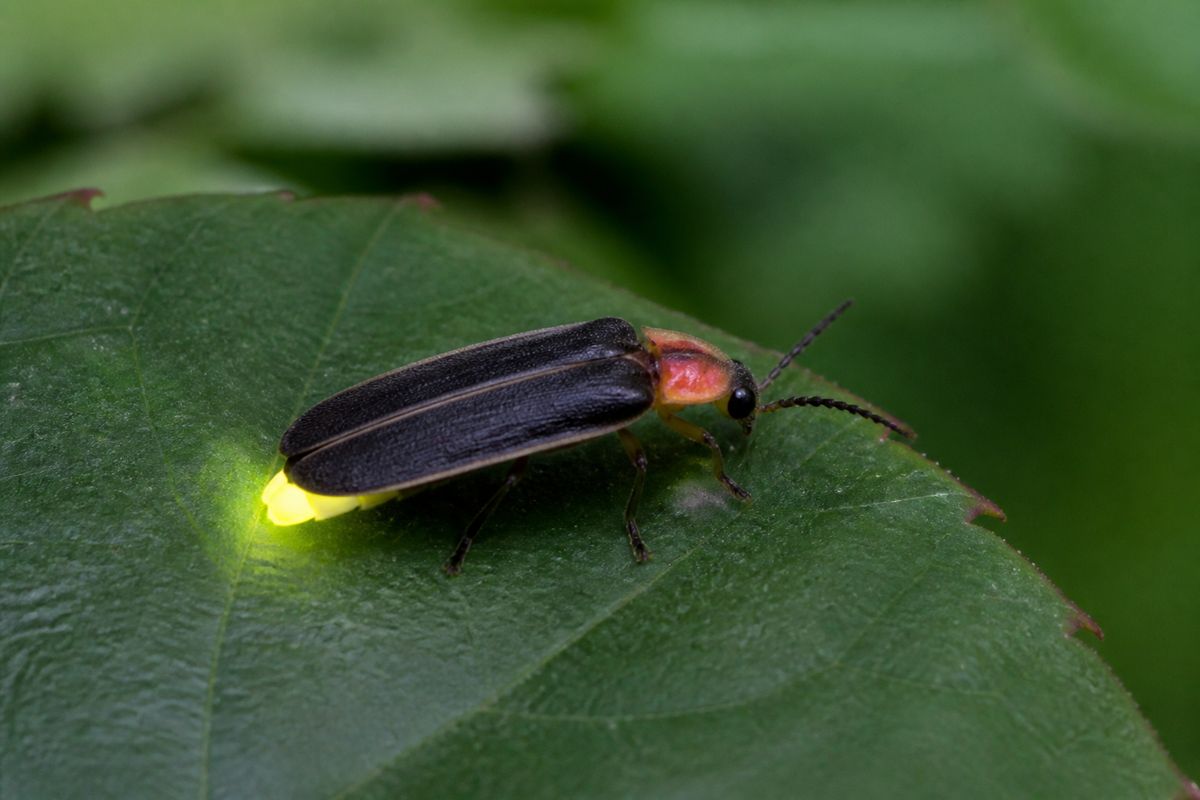
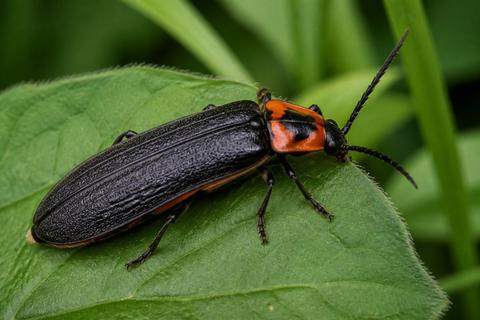
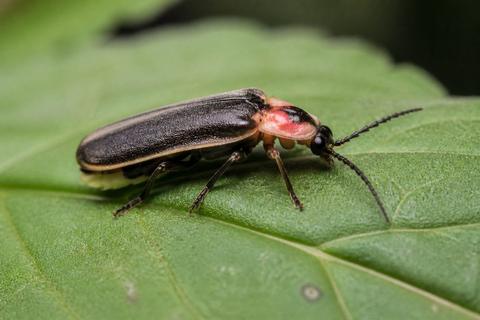
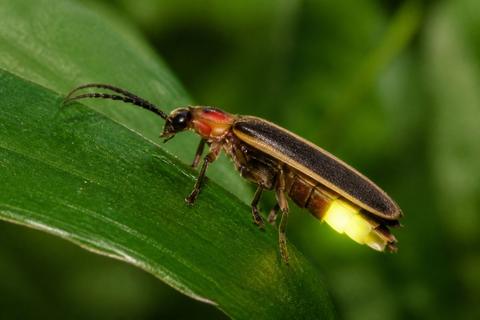
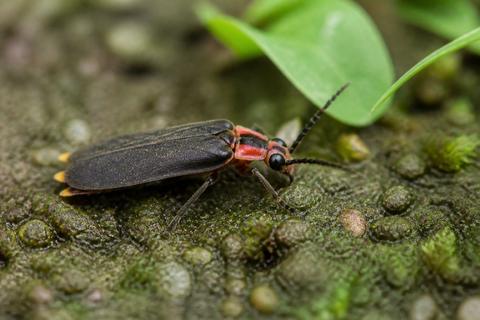
What are the characteristics of fireflies that make them stand out from other beetles? Fireflies belong to the family Lampyridae, and the trait that sets them apart is a cold-light chemical reaction most species use to signal each other after dark. Beyond the glow, fireflies vary widely in size, flash color, and behavior from one genus to the next.
Size
Adult fireflies typically run 5 to 25 mm long, and size varies by genus rather than a simple small-medium-large scale. Photinus pyralis, the common "big dipper" firefly seen across eastern North America, measures roughly 10 to 14 mm as an adult. Larger genera, including some Photinus and Photuris species, can reach the upper end of that range or slightly beyond.
Body size affects more than appearance. Larger individuals generally carry more fat reserves for the energy-intensive work of flashing through a mating season, and predators key in on size and flash brightness when deciding whether a firefly is worth the risk of eating.
Bioluminescent Color
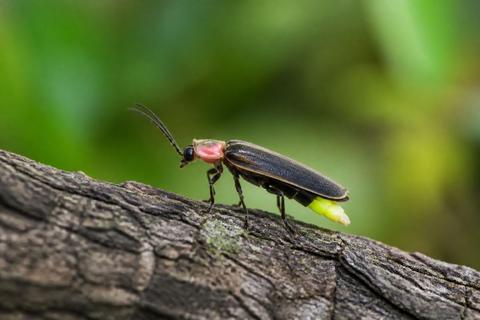
A firefly's light comes from a reaction between a compound called luciferin and the enzyme luciferase inside a light organ, or "lantern," in the abdomen. The reaction is close to 100% efficient, so almost none of the energy is lost as heat, which is why the light feels cool to the touch, unlike an incandescent bulb.
Flash color differs by species:
- Yellow-green: the most common wavelength, produced by familiar genera like Photinus and used in fields and yards across the eastern and midwestern United States.
- Amber to orange: seen in some southern and western species, where the light reads as a deeper, warmer color to the human eye.
- Blue-green: less common, associated with a handful of species and often harder to spot against typical night-sky brightness.
Flash color and pattern are not decorative. Males of a given species fly a specific flash rhythm, and females of that same species answer from the ground or low vegetation after a set delay. That rhythm and delay work like a lock and key between species.
Signaling and Mating Behavior
Mating activity peaks on warm, humid nights in late spring and summer, when males patrol just above the grass line flashing a species-specific pattern. Females perched on vegetation watch for that pattern and respond with a matching flash after a precise delay, and males home in on females whose timing lines up correctly.
Photuris females complicate this system. Females in the genus Photuris can mimic the flash pattern of Photinus females to attract, and then eat, Photinus males that approach expecting a mate. Researchers call this aggressive mimicry, and it means a flashing female in a field is not necessarily signaling to her own species.
Feeding Habits by Life Stage
Firefly larvae are active predators. Larvae feed on slugs, snails, and the larvae of other insects, hunting in damp soil, leaf litter, and along the edges of ponds and streams. Their glow at this stage functions as camouflage or a possible warning signal rather than a mating cue, since larvae are not yet reproductively active.
Adults are a different story. Many adult fireflies eat little or nothing at all during their brief flying period, living off fat reserves built during the larval stage. Some species sip nectar or pollen, and as noted above, Photuris females are a notable exception that actively hunt other fireflies as adults.
Defenses
Fireflies in several genera, including Photinus, produce steroid compounds called lucibufagins that make them distasteful or toxic to many predators. A flash can serve as a warning label, telling birds, spiders, and other hunters that the insect carrying it isn't worth the trouble. This is also why Photuris females hunt Photinus males: eating them lets a Photuris female stock up on lucibufagins she can't produce on her own, which then protects her from predators like jumping spiders.
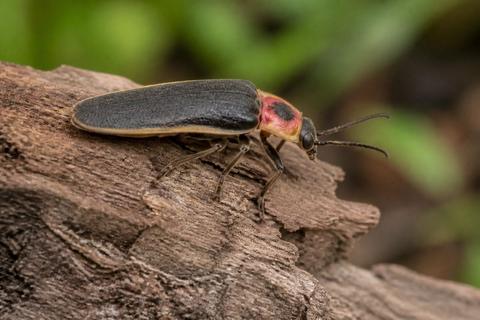
By day, most fireflies rely on dark, dull coloration and stillness to avoid notice, tucking into grass, bark, or leaf litter until dusk brings the next round of flashing.
Where Fireflies Live
Moisture is the common thread across firefly habitat. Wetlands, marsh edges, and streambanks support the soft-bodied prey that larvae need and keep the ground damp enough for larvae to move through soil easily. Deciduous forest edges and unmowed fields serve the same purpose, and undisturbed leaf litter matters as much as standing water since many larvae overwinter in it.
Mowed lawns, heavy pesticide use, and outdoor lighting all work against firefly populations, since artificial light can drown out the dim flashes females use to find mates.
Why These Traits Matter
Size, flash color, and mating behavior in fireflies are not separate facts to memorize. They're connected: body size affects flash brightness, flash color and timing determine which individuals recognize each other as the same species, and the chemical defenses built up during the larval diet shape which adults survive to flash another night. A healthy firefly display in a backyard or park is really a sign of intact soil, leaf litter, and dark sky nearby.