Top 10 Facts About Fireflies: Glow, Larvae, and Species
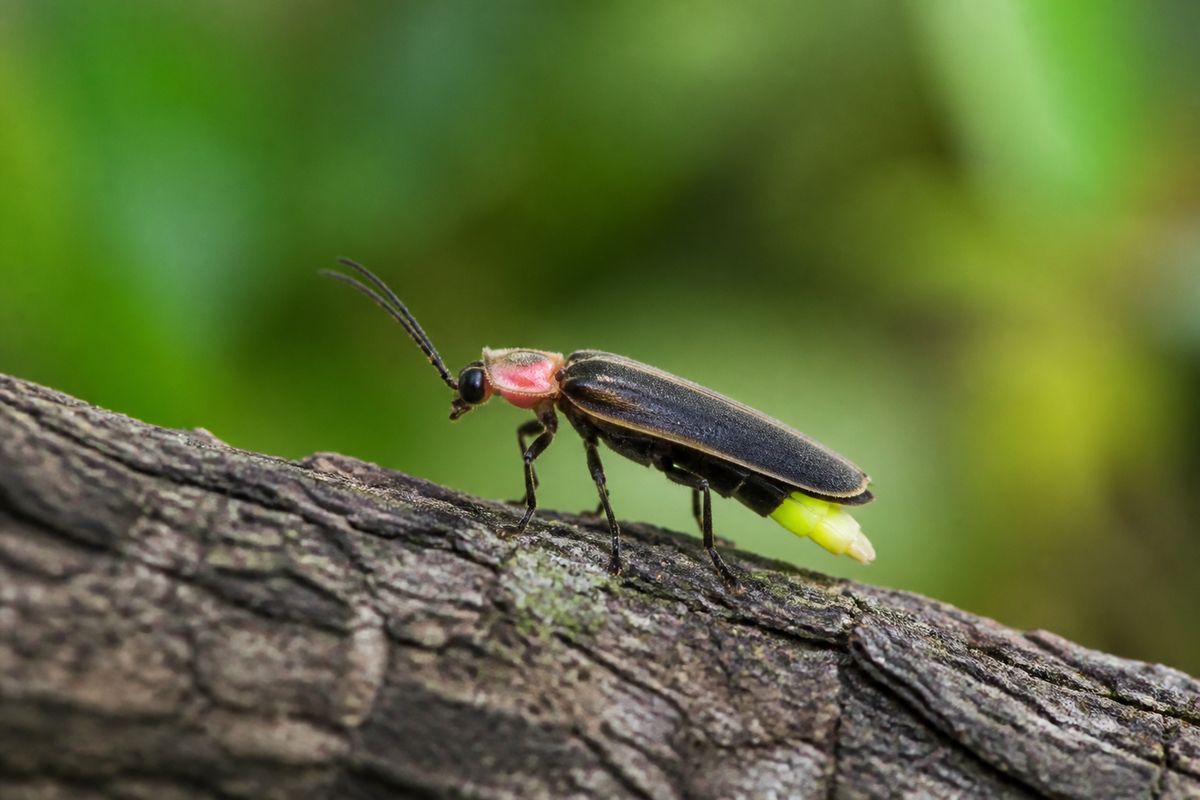
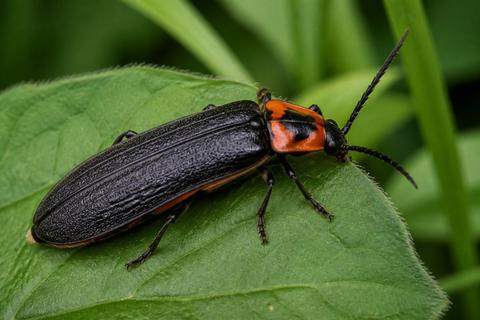
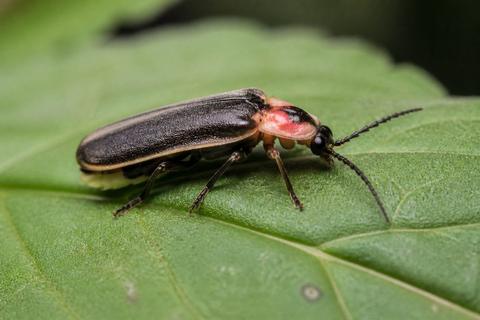
Top 10 Facts About Fireflies starts with a correction: a firefly is not a fly. It is a beetle in the family Lampyridae, and that single classification detail explains almost everything else on this list, from the hard wing covers to the year or more most of its life is spent underground before it ever lights up a yard.
1. Fireflies Are Beetles, Not Flies
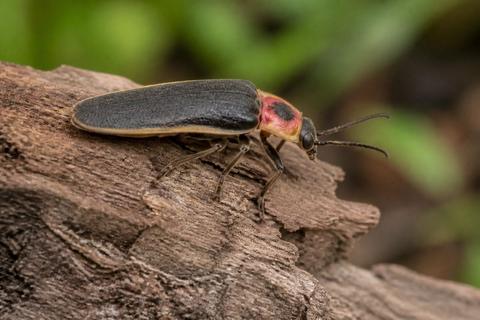
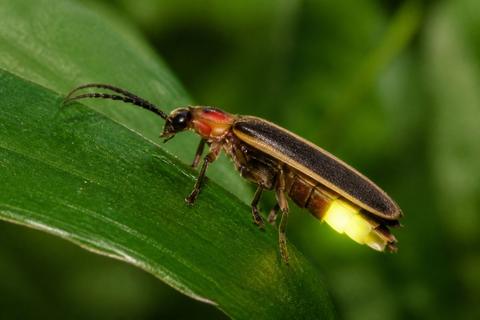
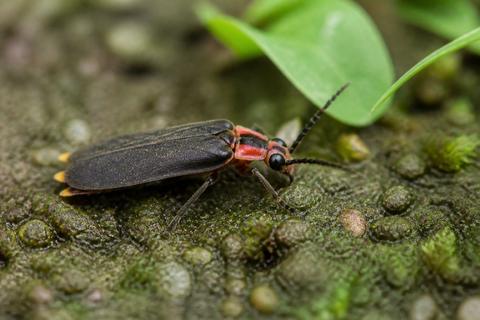
Fireflies belong to the order Coleoptera, the beetles, not Diptera, the true flies. The family name Lampyridae comes from the Greek lampein, "to shine." Like other beetles, adult fireflies have hardened forewings called elytra that fold over the hindwings and abdomen at rest, which is why a landed firefly looks armored rather than fly-like.
2. The Glow Comes From Luciferin, Oxygen, and One Enzyme
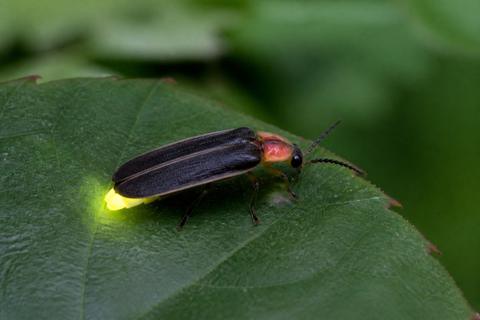
A firefly's light starts inside cells called photocytes in the lower abdomen. Oxygen combines with a substance called luciferin, calcium, and ATP in the presence of the enzyme luciferase, and that reaction releases light with almost no heat, which is why the glow is often called cold light. Flash color runs yellow, green, or pale blue depending on the species.
3. Flash Patterns Work Like a Password
Fireflies flash mainly to find a mate, and each species uses its own rhythm so males and females recognize their own kind in the dark. The common Eastern firefly, Photinus pyralis, is known for the J-shaped light trail males draw as they fly, produced by flashing at intervals during a U-shaped upward arc; females answer from the grass with a single delayed flash. Get the timing wrong and a male simply moves on to the next signal.
4. Around 2,200 Species Exist, and About 171 Live in North America
There are roughly 2,200 firefly species worldwide, with about 171 found in North America, and they turn up on every continent except Antarctica. Flash color and intensity vary by species: the common Eastern firefly glows yellow-green, while the blue ghost firefly, Phausis reticulata, produces a steadier bluish light instead of a sharp blink.
5. Most of a Firefly's Life Is Spent Underground as a Larva
Fireflies go through complete metamorphosis: egg, larva, pupa, adult. Eggs are laid in moist soil and hatch within a few weeks. The larval stage is the long one, often one to two years spent developing in soil or leaf litter before the larva pupates and finally emerges as the winged, flashing adult most people picture when they hear the word firefly. Adults themselves live only a few weeks.
6. Larvae Are Predators That Eat Snails, Slugs, and Earthworms
Before they glow for a mate, firefly larvae hunt. Firefly larvae are predators with extra-oral digestion and a notorious preference for soft-bodied invertebrates, especially snails and slugs, and several species specialize in earthworms instead. A larva injects digestive enzymes into its prey, then feeds on the liquefied remains. Adult fireflies, by contrast, often eat little or nothing, living off fat reserves built during the larval stage, though a few species sip nectar.
7. Habitat Loss, Light Pollution, and Pesticides Are Shrinking Populations
Firefly numbers are falling in parts of the United States, and conservation groups point to three overlapping causes: development that removes the damp soil and leaf litter larvae need, artificial light at night that drowns out mating flashes, and pesticide use that kills larvae along with the pests they would otherwise eat. Mowed, chemically treated lawns are especially poor firefly habitat compared with an unmowed edge near a pond or tree line.
8. Japan's Hotarugari Tradition Turns Firefly Season Into a Festival
Fireflies carry real cultural weight beyond backyard nostalgia. In Japan, hotarugari, or "firefly hunting," draws crowds to rivers and rice paddies on summer evenings to watch the seasonal display, a long-running tradition. Some Native American traditions treat fireflies as spirits or messengers rather than simple insects, giving the glow a meaning well beyond biology.
9. Great Smoky Mountains National Park Hosts a Synchronized Light Show
Photinus carolinus, one of 19 firefly species in the park, is one of the few species on Earth known to flash in unison. Its flash pattern runs five to eight distinct flashes followed by an eight-second pause of darkness, and the display peaks for two to three weeks, with recorded dates since 1993 ranging from the third week of May to the third week of June. Demand is high enough that the National Park Service runs the Elkmont viewing area through a lottery on Recreation.gov rather than open access.
10. A Damp, Dark, Pesticide-Free Yard Is What Actually Attracts Fireflies
Firefly-friendly yards share a few concrete traits rather than luck:
- Cut outdoor lighting: Turn off porch and landscape lights at dusk and dawn, when flash signaling matters most.
- Leave native plants and leaf litter: They feed adults and shelter overwintering larvae.
- Keep some ground damp: A pond, low spot, or longer grass mimics the moist soil larvae need to hunt.
- Skip pesticides: Broad-spectrum sprays kill larvae along with the slugs and snails they prey on.
None of these changes are dramatic, and most yards see a difference within a season or two.
Why the Glow Is Worth Protecting
A firefly display is really a sign of intact soil, leaf litter, and dark sky nearby, not a given. Between habitat loss, artificial light, and pesticide drift, several tracked species are declining across parts of their range, which makes a quiet backyard change, cutting the porch light during peak season, more useful than it looks.