Where Do Dung Beetles Live? Habitat and Distribution Guide
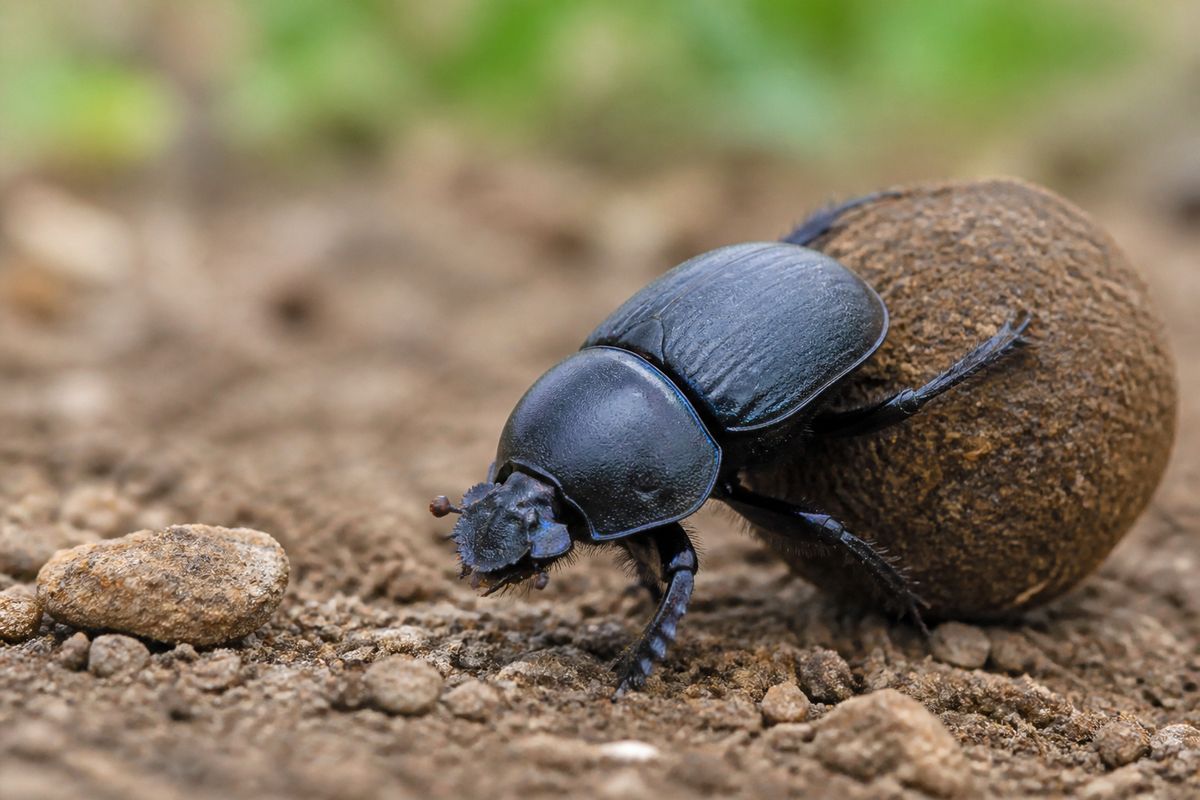
Dung beetles, known scientifically as Scarabaeidae, are a fascinating group of insects renowned for their unique ecological role. Not only do they recycle nutrients back into the soil, but they also contribute significantly to soil aeration and pest control. Understanding where these remarkable creatures live is crucial for comprehending their importance in various ecosystems around the globe. This guide explores the habitats and distribution of dung beetles, shedding light on their ecological significance.
Overview of Dung Beetles
Before delving into their habitats, it’s essential to grasp what dung beetles are. They are primarily detritivores, feeding mainly on feces (dung), which they use as food and breeding sites. There are over 7,000 species of dung beetles worldwide, and they can vary significantly in size, shape, and color. The ecological roles they play in nutrient recycling make them vital for maintaining healthy ecosystems.
Global Distribution of Dung Beetles
Dung beetles are found on every continent except Antarctica. Their distribution is influenced by several factors, including climate, availability of dung sources, and ecological niches. They thrive in diverse environments ranging from tropical rainforests to temperate grasslands.
Tropical Regions
Tropical regions harbor some of the highest diversity of dung beetle species. The warm climate and high levels of precipitation create ideal conditions for these insects. For instance:
- Central and South America: Countries such as Brazil, Colombia, and Ecuador are hotspots for dung beetle diversity. These regions support vast rainforests that provide ample dung from a variety of mammals.
- Southeast Asia: Nations like Indonesia and Thailand also exhibit rich populations due to their biodiversity and varying land uses that produce significant amounts of dung.
The abundance of large herbivores like elephants, rhinos, and various ungulates in these areas generates a continuous supply of dung, making them ideal habitats for dung beetles.
Temperate Regions
In temperate zones, dung beetles can be found but not with the same richness as in tropical areas. However, they still play a crucial role in the ecosystem:
- North America: The Great Plains and parts of the Southeastern United States provide suitable habitats. Species such as Onthophagus taurus thrive here, utilizing the dung of livestock like cattle and horses.
- Europe: European pastures are also home to various dung beetle species that feast on the droppings of wild animals and livestock.
Temperate regions often experience seasonal changes that influence dung beetle activity patterns. Warmer months typically see an uptick in populations due to increased herbivore activity and dung accumulation.
Arid Regions
Dung beetles have adapted to survive in arid environments as well. While these regions may not seem conducive to dung beetle life at first glance, several species have adapted remarkably well:
- Africa: African savannas are filled with free-ranging large mammals that produce ample dung despite the dry conditions. Species such as Scarabaeus sacer can be found rolling dung balls across the harsh landscape.
- Australia: Australian deserts also host unique dung beetle species adapted to dry conditions where rainfall is infrequent but periodic flooding provides temporary lush grazing for herbivores.
These adaptations often include behavioral changes that allow them to conserve moisture and utilize sporadic resources effectively.
Habitat Preferences
Dung beetles exhibit a range of habitat preferences based on species. Generally speaking, they prefer environments where there’s an abundance of animal waste. Here are some common habitat types:
Grasslands
Grasslands support a wide array of mammals whose waste products provide sustenance for dung beetles. Open fields allow these insects easy access to dung while minimizing competition from larger predators or competing insects.
Forests
Forests, particularly tropical rainforests, offer humid environments that foster diverse fungal growth along with abundant mammal populations. The microhabitats created here (under leaves or within rotting logs) can also serve as perfect breeding grounds for certain species.
Agricultural Lands
With the rise of modern agriculture, dung beetles have found new niches in farmland where livestock is raised. Manure from cows, pigs, and chickens creates an ideal situation for these insects to thrive while simultaneously helping farmers by decomposing waste more efficiently.
Urban Areas
Surprisingly, some species of dung beetles have adapted to urban environments where pet waste can become a primary food source. Parks and green spaces provide suitable habitats within cities for these resilient creatures.
Ecological Role
The ecological contributions of dung beetles cannot be overstated:
- Nutrient Recycling: By breaking down animal waste, dung beetles help return vital nutrients back into the soil, fostering plant growth.
- Soil Aeration: Their burrowing activities aerate the soil, enhancing water infiltration and root development.
- Pest Control: By consuming animal waste that might otherwise harbor parasites or harmful pathogens, they contribute to overall ecosystem health.
- Biodiversity Indicators: Due to their sensitivity to environmental changes, dung beetle populations can serve as indicators of ecosystem health.
Conservation Challenges
Despite their importance, dung beetle populations face several threats:
- Habitat Loss: Urbanization, agriculture expansion, and deforestation lead to habitat destruction which limits food sources.
- Climate Change: Changes in temperature and rainfall patterns can disrupt their breeding cycles and food availability.
- Pesticides: Agricultural practices that rely heavily on chemicals can impact non-target organisms like dung beetles directly or indirectly by reducing the availability of their food source.
Conservation efforts are crucial for maintaining healthy populations of these beneficial insects across various ecosystems.
Conclusion
Dung beetles occupy a myriad of habitats across the globe, from dense tropical forests teeming with biodiversity to arid deserts marked by resilience. Their ecological contributions make them indispensable to maintaining balance within ecosystems while highlighting the importance of conserving their habitats against ongoing threats. Understanding where these fascinating insects live provides insights not only into their behavior but also into broader environmental health indicators.
As we continue to learn about their roles within our ecosystems, it becomes increasingly clear that protecting dung beetle habitats will benefit biodiversity conservation efforts globally. Whether through sustainable farming practices or habitat restoration initiatives, every effort counts toward ensuring the continued survival of these remarkable creatures that play such a vital role in our planet’s health.