What Is the Life Cycle of Dung Beetles? Stages and Facts
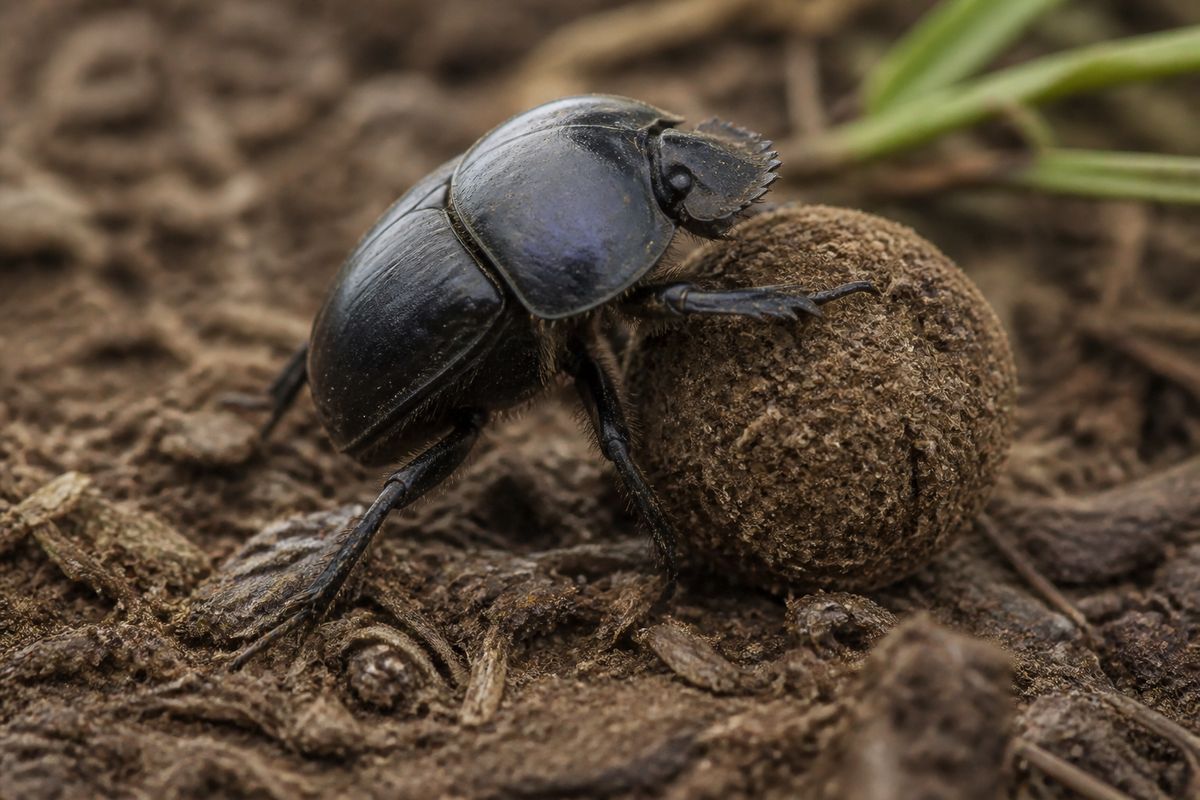
Dung beetles are fascinating creatures known for their unique role in the ecosystem. As nature’s clean-up crew, they play a vital part in recycling nutrients back into the soil. Understanding the life cycle of dung beetles not only sheds light on their behavior but also highlights their ecological importance. In this article, we will explore the various stages of dung beetle development and share interesting facts about these remarkable insects.
Overview of Dung Beetles
Before diving into the life cycle, it’s essential to understand what dung beetles are. Belonging to the Scarabaeidae family, dung beetles are characterized by their distinct body shape and size, which can vary significantly among different species. These insects primarily feed on feces, which provides them with essential nutrients and serves as a breeding ground for their young.
Dung beetles are found worldwide, from forests and grasslands to deserts and wetlands. They play a crucial role in nutrient cycling and soil aeration, making them important for maintaining healthy ecosystems.
The Life Cycle of Dung Beetles
The life cycle of dung beetles consists of four primary stages: egg, larva, pupa, and adult. Each stage has unique characteristics and requirements that contribute to the overall development of the beetle.
1. Egg Stage
The life cycle begins when an adult female dung beetle lays eggs in a suitable environment. The choice of location is critical; thus, the female typically selects a dung pile or an underground burrow that provides both food and protection for the developing larvae.
-
Clutch Size: Depending on the species, a female dung beetle can lay anywhere from a few to over 100 eggs in her lifetime. The eggs are generally small, round, and creamy-white in color.
-
Incubation: The incubation period can vary from a few days to several weeks based on environmental conditions like temperature and humidity. Warmer temperatures often speed up development.
2. Larval Stage
Once the eggs hatch, larvae emerge and begin their feeding phase. This stage is crucial as larvae require substantial nourishment to grow.
-
Feeding Habits: Dung beetle larvae primarily feed on decomposing organic matter found in dung. They consume not only the dung itself but also various microorganisms present within it. During this stage, they grow rapidly, shedding their skin multiple times in a process called molting.
-
Development Time: The larval stage can last anywhere from several weeks to several months depending on species and environmental conditions. Factors such as food availability and temperature significantly influence growth rates.
3. Pupal Stage
After reaching full size as larvae, they transition into the pupal stage, a critical phase where they undergo metamorphosis.
-
Pupa Characteristics: The pupa is typically inactive and may be encased in a protective shell or simply buried within dung or soil. During this time, significant transformations occur as they develop adult body structures.
-
Duration: The duration of this stage can also vary widely among species; most pupae emerge as adults after a few weeks to several months.
4. Adult Stage
Once metamorphosis is complete, adult dung beetles emerge from their pupal cases. This marks the final stage of their life cycle.
-
Maturity: Adult dung beetles reach sexual maturity relatively quickly, often within weeks to months after emerging. They will start seeking mates and establish territories.
-
Lifespan: Depending on the species and environmental factors, adult dung beetles can live anywhere from a few months to several years.
Reproduction
Reproduction is a critical aspect of the life cycle for dung beetles. During mating, males often engage in competitive displays or fights for access to females. After mating, females meticulously prepare dung balls into which they lay their eggs.
Some species exhibit parental care by guarding their dung balls against predators while providing protection for their offspring as they develop.
Ecological Importance of Dung Beetles
Dung beetles provide numerous ecological benefits that go far beyond their unique feeding habits:
1. Nutrient Recycling
By breaking down animal waste, dung beetles facilitate nutrient cycling within ecosystems. They help return nitrogen and other essential elements back into the soil, promoting plant growth.
2. Soil Aeration
As these beetles burrow into the ground searching for food or creating nests for their young, they aerate the soil. This aeration improves water infiltration and root penetration, enhancing soil health.
3. Pest Control
Dung beetles help control pests by disrupting fly breeding cycles. By consuming dung where flies lay eggs, they reduce fly populations that could otherwise become problematic for livestock.
4. Biodiversity Support
A healthy population of dung beetles contributes to maintaining biodiversity within an ecosystem by supporting various flora and fauna reliant on nutrient-rich soils.
Fascinating Facts about Dung Beetles
While we’ve delved into the life cycle stages of dung beetles, there are several additional fascinating facts worth noting:
-
Diverse Species: There are more than 7,000 identified species of dung beetles globally, showcasing an incredible diversity in color, size, and behavior.
-
Strength: Dung beetles are known for their impressive strength; some can pull objects over 1,000 times their own weight!
-
Cultural Significance: In ancient Egypt, scarab beetles (a type of dung beetle) were considered sacred symbols of regeneration and transformation.
-
Threats: Despite their ecological importance, many species face threats from habitat destruction and pesticide use which disrupt their populations.
Conclusion
The life cycle of dung beetles is a remarkable example of adaptation and specialization in nature’s intricate web of life. From egg to larva to pupa and finally adult stage, each phase plays a vital role in ensuring their survival and ecological contribution. As we continue to study these fascinating insects, understanding their life cycle helps us appreciate their significance in promoting healthy ecosystems around the world. By protecting these creatures and their habitats, we not only support biodiversity but also contribute to the overall health of our planet’s environment.