What Do Rhinoceros Beetles Eat? Diet and Feeding Habits
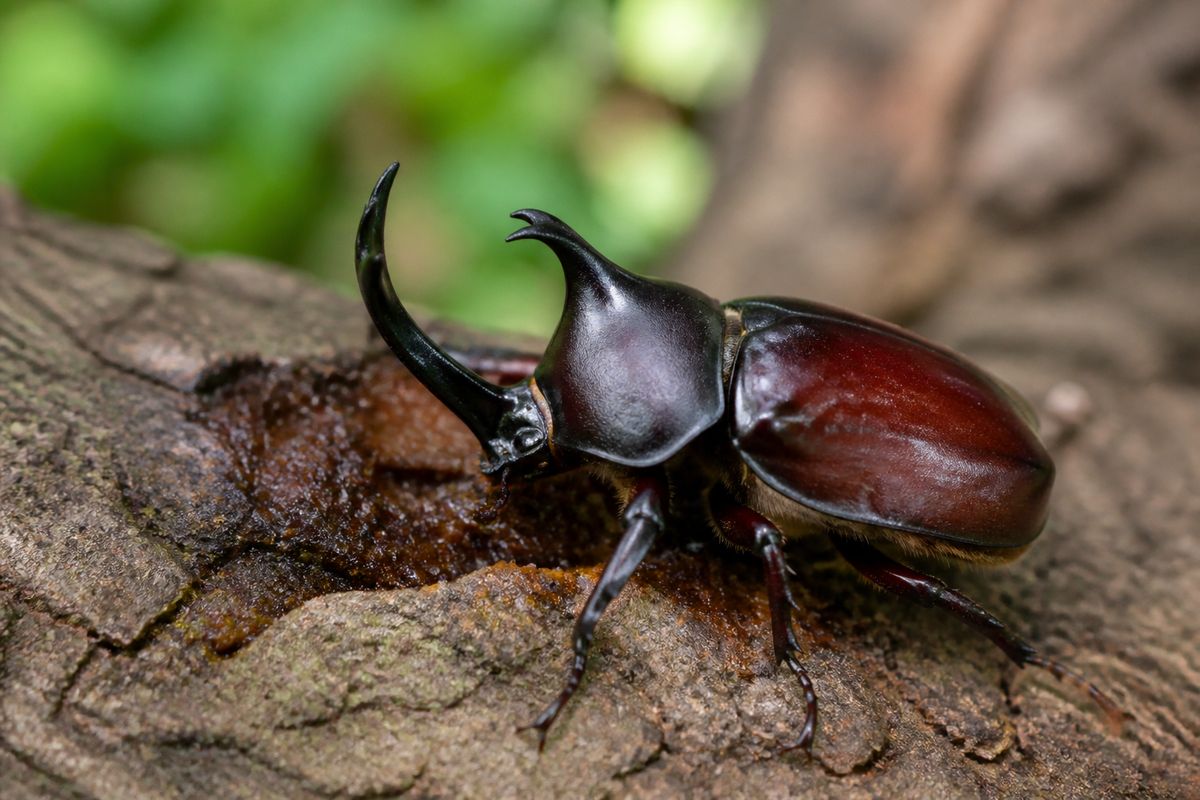
Rhinoceros beetles are among the most fascinating insects in the world, known for their impressive horns and robust bodies. Found in tropical and subtropical regions, these beetles belong to the Scarabaeidae family and are part of the subfamily Dynastinae. Beyond their striking appearance, one of the aspects that intrigue entomologists and nature enthusiasts alike is their diet and feeding habits. Understanding what rhinoceros beetles eat is crucial not just for researchers but also for those who wish to rear them in captivity or appreciate them in the wild.
Overview of Rhinoceros Beetles
Rhinoceros beetles are named for their horn-like projections on their heads, which are more prominent in males. These beetles can reach lengths of up to 6 inches (15 centimeters) and can be found in various habitats, primarily including forests and woodlands. Despite their intimidating size and appearance, rhinoceros beetles are generally harmless to humans.
Life Cycle Stages
Before diving into their diet, it’s important to understand the life cycle of rhinoceros beetles, which comprises four stages: egg, larva, pupa, and adult. Each stage has distinct dietary needs:
- Egg stage: The female lays eggs in decaying organic matter.
- Larval stage: The larvae feed on decomposing vegetation.
- Pupal stage: The pupae do not eat; they undergo metamorphosis.
- Adult stage: The adults have more varied diets depending on species.
Diet of Rhinoceros Beetles
Rhinoceros beetles exhibit different dietary preferences throughout their life cycle. Generally, they are detritivores as larvae, consuming decaying plant material, while adults may feed on a variety of substances. Here’s a closer look at the dietary components for various stages:
Larval Diet
The larvae of rhinoceros beetles feed primarily on decomposing plant material found in forest litter. This organic matter often includes:
- Decaying wood: Soft, rotting wood is a primary food source that provides essential nutrients.
- Leaf litter: Dead leaves contribute to their diet as they break down into nutrient-rich substances.
- Organic compost: In some cases, larvae thrive in compost piles where decomposed organic material is abundant.
The ability to consume decaying matter helps recycle nutrients back into the ecosystem, making these larvae vital contributors to soil health.
Adult Diet
As adults, rhinoceros beetles shift their feeding habits to include a wider range of foods. Their diet typically consists of:
- Sap: Many adult rhinoceros beetles are known to feed on tree sap. They use their strong mandibles to break into the bark to access this sugary substance.
- Fruits: Some species enjoy overripe or rotting fruits. They may consume bananas, mangoes, and other soft fruits that provide hydration and energy.
- Flowers: Nectar from flowers is another food source; however, not all rhinoceros beetle species exhibit this behavior.
While feeding on sap or fruit may seem innocuous, adult rhinoceros beetles play an essential role in pollination as they move from plant to plant.
Feeding Habits
Understanding how rhinoceros beetles consume their food offers insight into their behavior and ecological roles:
Foraging Behavior
Rhinoceros beetles often forage at night (nocturnal behavior), avoiding predators while searching for food sources. They rely heavily on their sense of smell to locate food, particularly those rich in sugars or decomposing material.
Feeding Mechanics
With powerful jaws (mandibles), these beetles can easily break down tough materials like bark or decomposed wood. Their mouths are adapted for chewing rather than sucking; thus, they need softer foods that don’t require elaborate methods for extraction.
Competition and Territory
In areas where multiple adult male rhinoceros beetles coexist, competition can arise over food sources, especially during mating seasons when males use their horns not only for defense but also to establish dominance over feeding territories.
Nutritional Needs
Dietary diversity is pivotal for the growth and development of both larvae and adults. A well-balanced nutrient intake ensures optimal health:
- Proteins: Essential for growth especially during the larval phase; sourced mainly from decomposing organic matter.
- Carbohydrates: Vital for energy, derived from sugars present in fruits and sap consumed by adults.
- Minerals: Critical for overall health; these may come from the rich contents found in decomposed wood and leaf litter.
Effects of Environment on Diet
The available food sources depend significantly on environmental conditions:
Habitat Variation
Different habitats provide varying quantities and types of organic matter. For instance:
- Tropical Forests: Abundant resources lead to larger populations with diverse diets.
- Urban Areas: Limited natural habitat could restrict food options to garden plants or introduced species.
Seasonal Changes
Seasonal changes also influence availability. During rainy seasons or when certain fruits ripen, food becomes plentiful; conversely, during dry seasons or droughts, competition intensifies as resources dwindle.
Keeping Rhinoceros Beetles As Pets
For those interested in keeping rhinoceros beetles as pets or educating children about nature’s wonders, understanding their dietary needs is crucial:
- Captive Diet: Offer a mixture of fresh fruits (such as bananas) and specially formulated diets available at pet stores that mimic natural food sources.
- Hydration: Ensure access to moisture; this can involve misting the enclosure or including water-soaked sponge materials.
- Quality Control: Regularly remove uneaten food to prevent mold growth or contamination within the habitat.
Conclusion
Rhinoceros beetles play an integral role within their ecosystems by breaking down decaying organic matter and contributing to nutrient cycling while serving as pollinators during their adult stage. Their diets vary through different life stages, from larvae thriving on decomposing organic materials to adults consuming sap and fruits, reflecting adaptability based on environmental factors.
Understanding what rhinoceros beetles eat not only enhances our appreciation of these intriguing insects but also emphasizes the importance of conservation efforts aimed at protecting their habitats from human encroachment and climate change. Whether observed in nature or kept as pets, these remarkable creatures continue to captivate us with their unique biology and ecological significance.