What Do Japanese Beetles Eat? Diet and Feeding Habits
Japanese beetles (Popillia japonica) are notorious pests that can wreak havoc on gardens and landscapes. Originally from Japan, these beetles were first identified in the United States in 1916 and quickly became a significant agricultural threat. Understanding their diet and feeding habits is crucial for effective management and control of these insects. In this article, we will delve into what Japanese beetles eat, how they feed, and the implications of their feeding behavior on plants.
Overview of Japanese Beetles
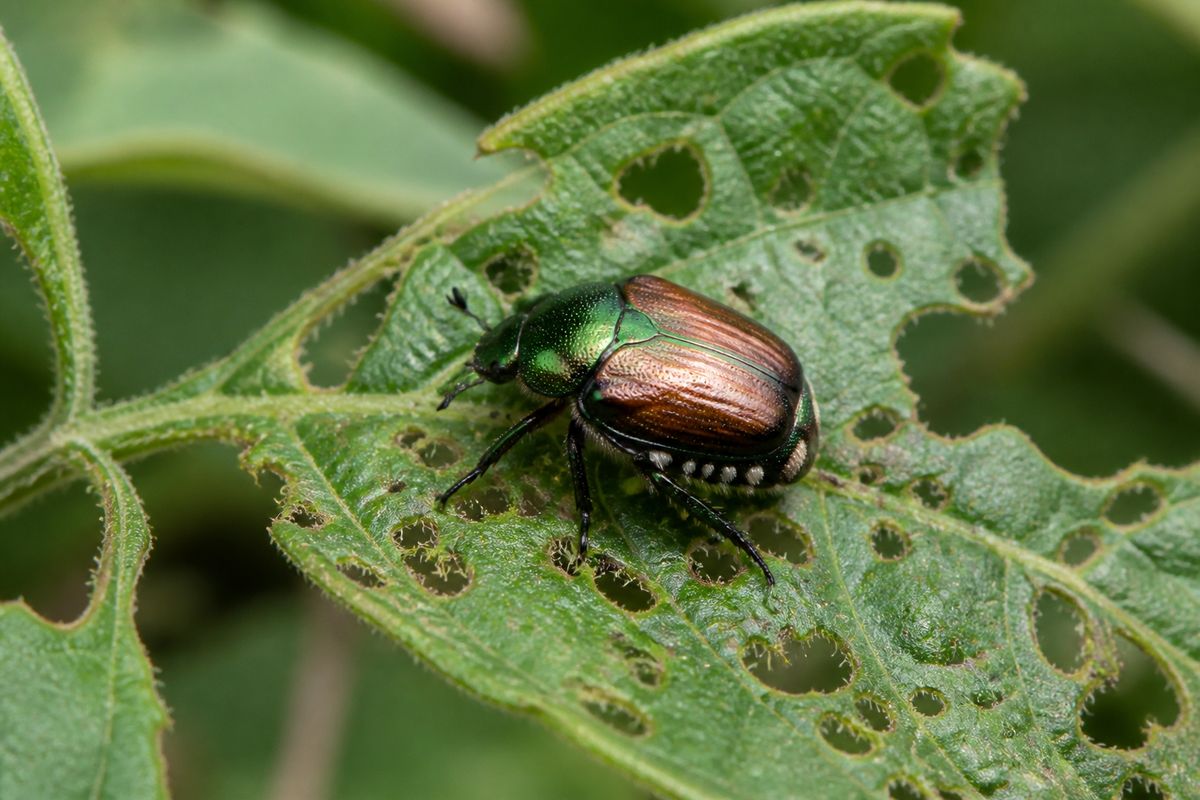
Japanese beetles are small, metallic green insects approximately 1/2 inch long, adorned with copper-brown wing covers. They are best known for their voracious appetite, which includes a wide variety of plants. Their adults emerge in late spring to early summer, and they can be found munching on foliage throughout the summer months until the onset of fall.
Life Cycle and Feeding Patterns
To understand the feeding habits of Japanese beetles, it is essential to consider their life cycle. The cycle consists of four stages: egg, larva (grub), pupa, and adult.
-
Egg Stage: Adult female beetles lay eggs in soil during the summer months. Once laid, these eggs hatch into larvae.
-
Larval Stage: The grubs feed on roots of grasses and other plants before burrowing deeper into the soil as winter approaches. This stage primarily consumes organic matter rather than actively damaging plant foliage.
-
Pupal Stage: Grubs undergo metamorphosis into pupae, eventually emerging as adult beetles.
-
Adult Stage: The adult phase is when Japanese beetles become most destructive, primarily feeding on leaves, flowers, and fruits.
Understanding this life cycle helps in determining the appropriate control measures to take at various stages.
What Do Japanese Beetles Eat?
Primary Diet
Adult Japanese beetles have a highly diverse diet consisting mainly of:
- Foliage: They have a preference for the leaves of many trees and shrubs. Some favorite species include:
- Roses
- Linden
- Maples
- Crabapple
- Birch
-
Cherry
-
Flowers: They are attracted to various flowering plants where they feed on petals and reproductive structures.
-
Fruits: Their feeding extends to fruits such as grapes, raspberries, peaches, and strawberries. They may damage these fruits by eating through the skin or flesh.
Feeding Behavior
Japanese beetles exhibit specific feeding behaviors that contribute to their effectiveness as pests:
-
Skeletonization: One of the most recognizable signs of Japanese beetle feeding is skeletonization, where only the leaf veins remain after they consume soft tissue between them. This not only impacts the aesthetic quality of plants but also hinders photosynthesis.
-
Group Feeding: These beetles often feed in groups, which can lead to rapid defoliation of affected plants. As they congregate around a food source, they can severely damage entire sections of a garden in a short time.
-
Selective Feeding: Interestingly, Japanese beetles tend to prefer specific plant species over others based on factors like taste and nutritional value. Their selection can be influenced by plant age, health, and even environmental conditions.
Nutritional Needs
The diet of Japanese beetles is not merely about survival; it is closely linked to their reproductive success. A high-quality diet rich in nutrients is essential for female beetles to produce viable eggs. Key nutrients include:
- Proteins: Essential for growth and reproduction.
- Carbohydrates: Provide energy for activities such as flight.
- Minerals: Important for various physiological processes.
While they can feed on numerous plant types, healthier plants often provide higher nutritional value compared to stressed or diseased plants.
Seasonal Variations in Diet
The diet of Japanese beetles can vary throughout the growing season due to different plant lifecycles:
-
Early Season (Spring): As adults emerge from overwintering sites in late May to June, they seek early-blooming plants such as flowers and young leaves.
-
Peak Season (Summer): During peak summer months (July-August), when temperatures rise, adult beetles are most active and tend to consume a more extensive range of plants, often leading to widespread damage.
-
Late Season (Fall): As fall approaches and temperatures drop, feeding activity decreases significantly as adults prepare for overwintering.
Impact on Ecosystems
The feeding habits of Japanese beetles can have far-reaching consequences for ecosystems:
Impact on Plant Health
Excessive feeding by large populations can severely weaken trees and shrubs by stripping them of leaves necessary for photosynthesis. This can lead to stunted growth or even death if not managed effectively.
Effects on Wildlife
While some wildlife species may benefit from increased food availability due to dying or damaged plants, others that rely on healthy plant communities for shelter or food may suffer from declines in population health.
Economic Consequences
For farmers and gardeners, infestations can result in significant economic loss due to reduced crop yields or increased costs associated with pest control measures. Roses and other ornamental plants frequently targeted by Japanese beetles often see reduced market value due to aesthetic damage.
Control Measures
Effective management strategies require understanding the dietary needs of these pests:
Cultural Controls
-
Plant Selection: Opt for less palatable plant species that are less attractive to Japanese beetles.
-
Crop Rotation: Changing the location of susceptible crops annually can reduce population buildup.
Mechanical Controls
-
Handpicking: Removing adult beetles by hand early in the morning when they are less active can help control small infestations.
-
Traps: While commercially available traps exist, they often attract more beetles than they capture; therefore, using them strategically is essential.
Chemical Controls
For larger infestations, insecticidal treatments may be necessary, including both contact insecticides and systemic options that target larvae during their grub stage.
Conclusion
Understanding what Japanese beetles eat, and their feeding habits, provides crucial insights into effective management strategies that can protect gardens and landscapes from their damaging effects. By being proactive about monitoring these pests early in their life cycle and implementing targeted control measures based on their dietary preferences, gardeners and farmers can mitigate potential damage while maintaining healthy ecosystems. Whether through cultural practices or integrated pest management strategies, knowledge is key in keeping this invasive pest at bay.