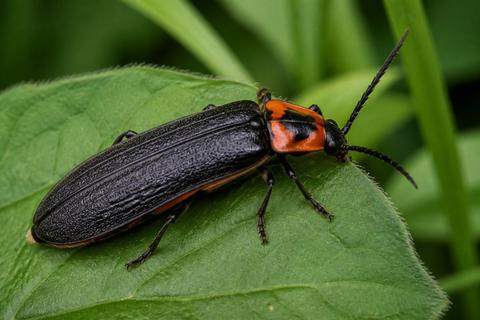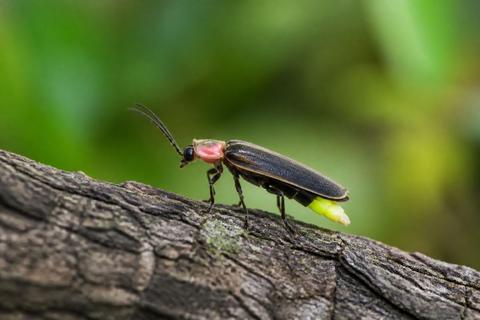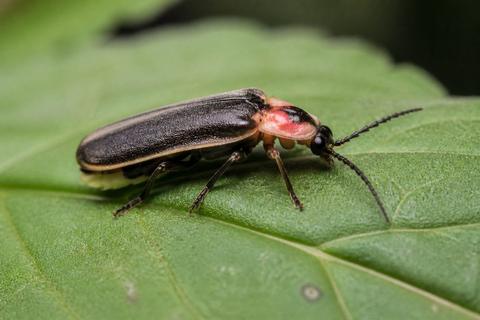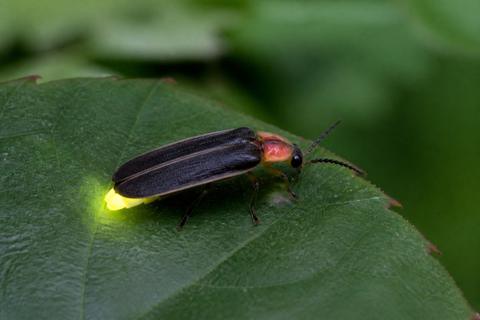
What Do Fireflies Eat? Larvae Feed on Snails and Slugs
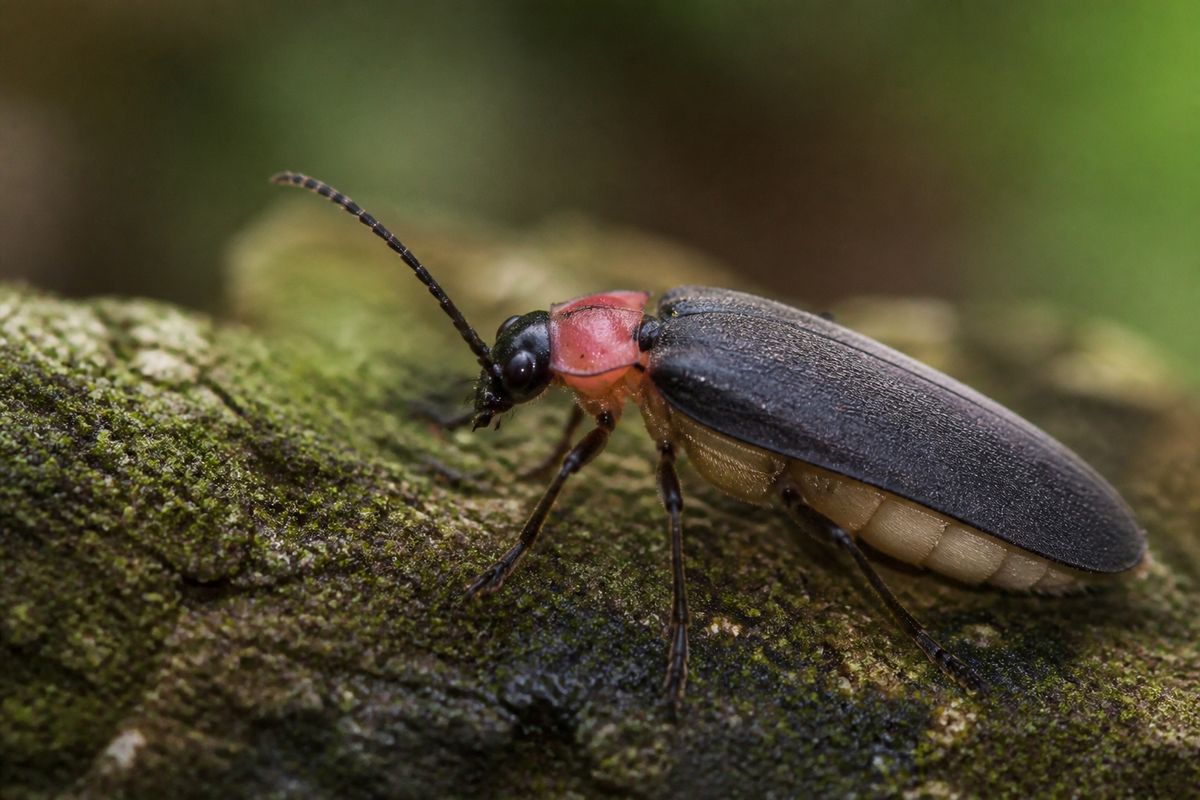
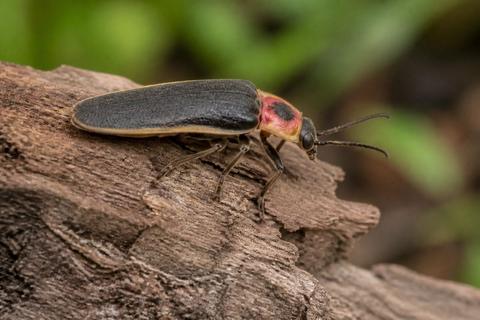
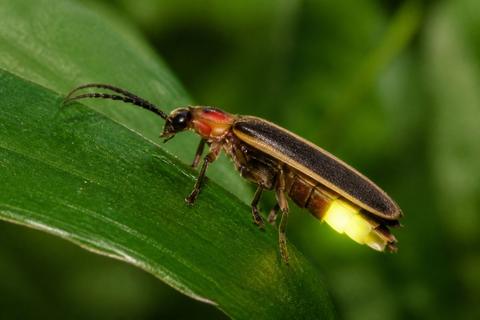
What do fireflies eat depends entirely on which stage of life you're looking at. The larvae are aggressive predators that spend one to two years hunting in soil and leaf litter, while most adults barely eat at all in the few weeks they have left before mating. Lightning bugs belong to the beetle family Lampyridae, and their feeding habits shift dramatically between the larval and adult stages.
The Four Stages and When Fireflies Actually Eat
Fireflies go through complete metamorphosis: egg, larva, pupa, and adult. Feeding happens almost entirely during one of those stages.
- Egg: Laid in moist soil or leaf litter, eggs do not feed.
- Larva: This is the feeding stage. Larvae hunt for one to two years, longer in colder climates, before pupating.
- Pupa: No feeding occurs during the transformation inside a soil chamber or under bark.
- Adult: Lifespan runs a few weeks, and feeding habits vary by species and sex.
Firefly Larvae Hunt Snails, Slugs, and Earthworms
Firefly larvae are carnivorous predators that feed on snails, slugs, and the larvae of other insects, along with earthworms. They track prey using scent and touch rather than sight, since most larvae see poorly.
Once a larva finds a snail or slug, it bites down with curved, hollow mandibles and injects digestive enzymes that paralyze and liquefy the prey's tissue from the inside. The larva then sucks up the resulting fluid, a feeding style known as extraoral digestion. A single larva can take down a snail several times its own size over the course of one meal.
Adult Diet: Nectar, Pollen, or Nothing
Adult fireflies split into three feeding patterns. Many species stop eating entirely once they reach adulthood, relying on fat reserves stored during the larval stage to survive the weeks they have to find a mate. Others sip nectar or pollen from flowers, which supplies quick carbohydrates for flight and flashing.
A third group stays predatory as adults. Females in the genus Photuris mimic the flash-answer patterns of Photinus females to lure in Photinus males, then capture and eat the males that approach expecting to mate. Beyond the meal itself, this hunting behavior lets Photuris females obtain lucibufagins, defensive steroid compounds that Photinus fireflies make but Photuris cannot produce on their own, so the captured males are chemically useful as well as nutritionally useful.
How Larvae Shape Garden and Forest Food Webs
Because larval fireflies eat so many snails and slugs, dense larval populations can measurably suppress those pests in gardens, hedgerows, and forest-floor leaf litter. Firefly larvae depend on the same damp, undisturbed habitat that supports their prey: thick leaf litter, rotting logs, and soil that stays moist through the growing season. Clearing leaf litter or mowing it into mulch removes both the larvae and the snail and slug populations they rely on.
Habitat and Season Drive What's Available to Eat
Prey availability for larvae tracks moisture. Wetlands, streambanks, and shaded forest edges hold the highest densities of snails, slugs, and earthworms, which is also why those habitats tend to support the densest firefly populations. Adult flight season is short and tied to warmth and humidity, typically running from late spring through mid-summer across most of the United States, with timing shifting later at higher latitudes.
Artificial light at night interferes with feeding indirectly by disrupting the flash signals adults use to find mates and, in Photuris females, to lure prey. Reduced mating success lowers the number of eggs laid, which in turn reduces the next generation of larvae available to hunt garden pests.
Nutrients Larvae and Adults Need
- Protein: Consumed almost entirely during the larval stage, from snail, slug, and earthworm tissue.
- Carbohydrates: Drawn from nectar and pollen by adults that feed, or from stored fat reserves in adults that don't.
- Moisture: Larvae need consistently damp soil and leaf litter both to survive and to find prey, since slugs and snails are themselves moisture-dependent.
Feeding and Flash Signals
Well-fed larvae emerge as adults with more energy to invest in flashing, and brighter, longer flash trains tend to draw more mate interest in species studied for this trait. For predatory Photuris females, a successful hunt is a direct investment in egg production, since protein from a captured male converts into reproductive output.
The Short Version
Firefly larvae are the hungry stage, spending one to two years hunting snails, slugs, and earthworms in leaf litter. Adults are the opposite for most species, living off stored fat for a few weeks of flashing and mating, though a few, like female Photuris, keep hunting as adults. Protecting the damp, leaf-covered ground where larvae feed is one of the simplest things a yard can do to keep fireflies around.