What Do Dung Beetles Eat? Diet and Feeding Habits
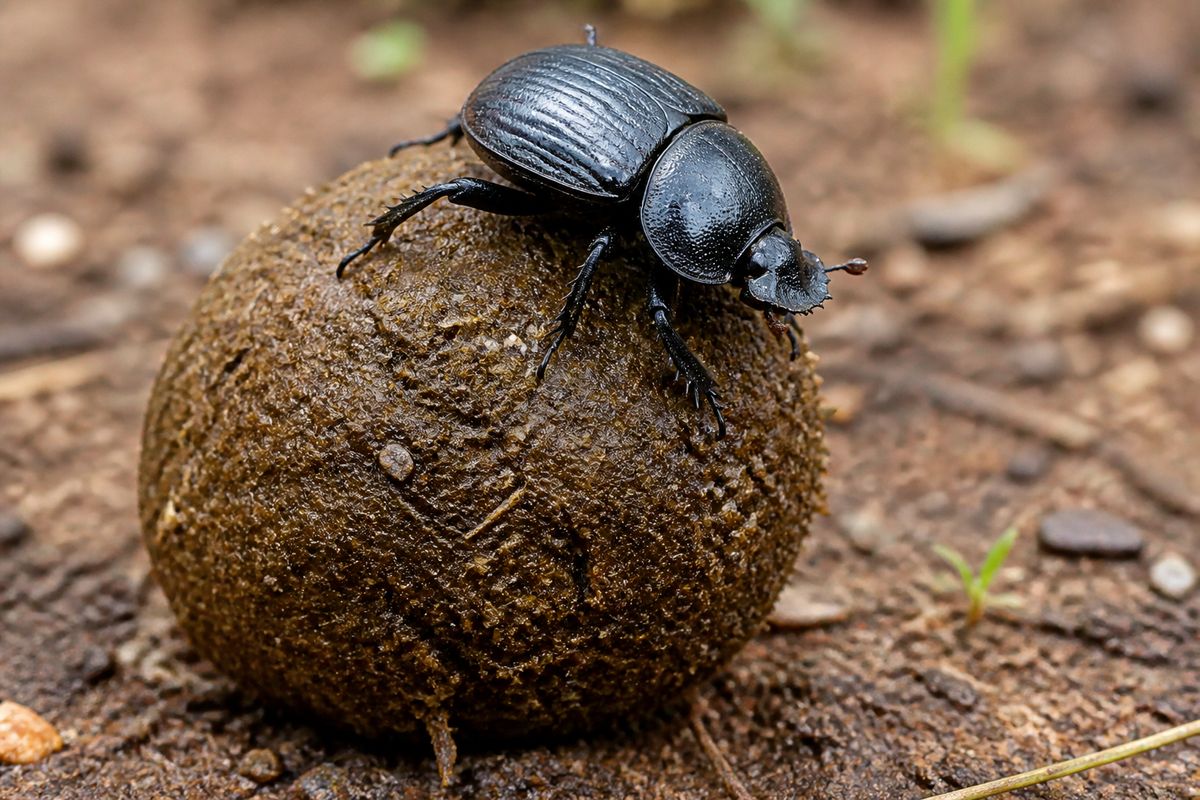
Dung beetles, often overlooked and underappreciated, play a crucial role in maintaining ecological balance. Their diet primarily consists of dung, but their feeding habits are more intricate than one might imagine. In this article, we will explore the dietary preferences of dung beetles, their unique feeding behaviors, and the ecological significance of their eating habits.
The Role of Dung in the Ecosystem
Before diving into what dung beetles eat, it is essential to understand the importance of dung in ecosystems. Animal feces is rich in nutrients, serving as a fertilizer for plants and supporting soil health. However, if left unattended, dung can accumulate, leading to environmental issues such as the attraction of pests and diseases. This is where dung beetles come into play.
Nutrient-Rich Diet
Dung is primarily composed of undigested plant materials, water, and various microorganisms. For dung beetles, particularly those that feed on mammal feces, this nutrient-rich composition makes it an ideal food source. The primary components that dung beetles extract from animal waste include:
- Nitrogen: Essential for plant growth and a key component in amino acids.
- Phosphorus: Vital for energy transfer within cells and critical for DNA synthesis.
- Carbon: Serves as a fundamental building block for organic compounds.
These nutrients not only support the survival and reproduction of dung beetles but also contribute to the broader health of their ecosystem.
Types of Dung Beetles and Their Diets
There are approximately 8,000 species of dung beetles worldwide, each with its own dietary preferences and feeding behaviors. Dung beetles can be broadly classified into three categories based on how they interact with dung:
1. Rollers
2. Tunnelers
3. Dwellers
Rollers
Roller dung beetles are known for their behavior of rolling dung into balls that they transport to a suitable location for feeding or breeding. They typically prefer fresh dung from herbivorous animals such as cows or horses. These beetles are particularly adept at selecting high-quality dung that is rich in nutrients.
Feeding Habits
Once a roller dung beetle has shaped its ball, it will often bury it underground. The buried dung serves as food for the developing larvae once they hatch, creating a safe and nutritious environment for them to grow.
Tunnelers
Tunneler dung beetles do not roll their food but instead excavate tunnels directly beneath dung piles. These beetles tend to favor both fresh and aged dung, as they can find nourishment within the layers of decomposing waste.
Feeding Habits
Tunneling beetles consume the organic matter found within the dung while also contributing to soil aeration through their burrowing activities. Their feeding habits help break down waste material more rapidly than other species.
Dwellers
Dwellers are a unique category of dung beetles that remain within the fecal mass rather than moving it elsewhere. They feed directly on the surface of dung or burrow into it to access nutrients.
Feeding Habits
Dwellers often thrive in environments where large amounts of dung accumulate, such as near livestock farms or game reserves. Their close association with manure means they play an important role in breaking down fecal matter quickly and efficiently.
Seasonal Variations in Diet
The availability of dung can vary significantly with seasons. During certain times of the year, particularly after rainfalls, there may be an influx of fresh animal droppings available for consumption. Dung beetles have adapted their diets accordingly:
-
Wet Seasons: Fresh droppings are more abundant during wet seasons due to increased animal activity. Dung beetles take advantage of this by consuming higher quantities of nutrient-rich feces.
-
Dry Seasons: During dry spells when fresh feces may be scarce, some species may shift towards decomposing or older dung. This adaptability is essential for survival as it ensures that they can find sustenance throughout different environmental conditions.
The Importance of Microorganisms
While dung itself provides essential nutrients, it is important to note that dung beetles also rely on microorganisms present in fecal matter for their nutrition. These microorganisms help break down complex organic compounds found in the dung into simpler forms that are easier for the beetles to digest.
Mutualistic Relationships
Research has shown that some species of dung beetles have developed mutualistic relationships with gut bacteria found in animal feces. These bacteria assist in breaking down fibrous material, effectively increasing the nutritional value available to the beetles by aiding digestion.
In addition to this mutualistic relationship, fungi can also play a role in enhancing nutrient availability within the decomposing dung. As fungi break down organic matter further, they create an even richer resource base from which both microorganisms and dung beetles can benefit.
The Ecological Impact of Feeding Habits
The feeding habits of dung beetles extend far beyond their immediate dietary needs; they have significant ecological impacts worth discussing.
Nutrient Recycling
By consuming and breaking down animal waste, dung beetles contribute significantly to nutrient cycling within ecosystems. Their activities facilitate:
- Soil Fertility: As they bury feces underground, they increase soil fertility by enriching it with organic matter.
- Plant Growth: Improved soil health leads to better plant growth and diversity.
Pest Control
Dung beetles also help control pests by reducing fly populations associated with animal waste. By burying or consuming fecal matter quickly, they minimize breeding sites available for flies and other pests.
Biodiversity Support
The mere presence of diverse species within the ecosystem helps support various organisms at different trophic levels. As such, healthy populations of dung beetles can bolster overall biodiversity by ensuring that resources like nutrients are effectively recycled back into the ecosystem.
Conclusion
Dung beetles may seem trivial at first glance; however, their dietary preferences and feeding habits reveal them as remarkable contributors to ecological health. By consuming animal waste and recycling nutrients back into the environment, these industrious insects play an indispensable role in supporting soil fertility, controlling pests, and fostering biodiversity.
Understanding the importance of what dung beetles eat can lead us to appreciate these fascinating creatures more deeply while recognizing their vital contributions to our ecosystems. As stewards of the environment, promoting habitats where these beneficial insects thrive will ensure healthier ecosystems for generations to come.