What Are the Characteristics of Rhinoceros Beetles? Size, Color, and Behavior
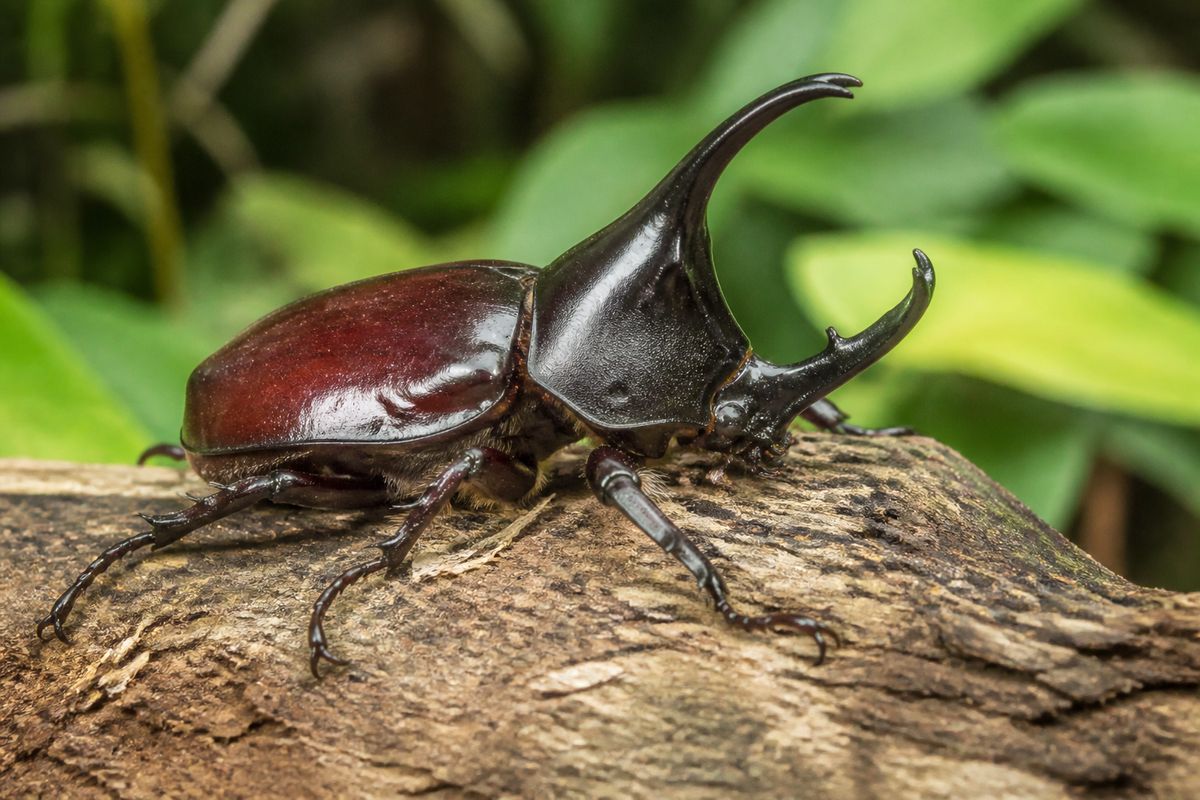
Rhinoceros beetles, belonging to the family Scarabaeidae, are among the most fascinating insects in the world. Known for their impressive size and striking appearance, these beetles captivate entomologists and nature enthusiasts alike. This article delves into the characteristics of rhinoceros beetles, focusing on their size, color, and behavior.
Overview of Rhinoceros Beetles
Rhinoceros beetles are named for the prominent horns that males develop on their heads, which resemble the horns of a rhinoceros. There are over 300 species of rhinoceros beetles worldwide, primarily found in tropical and subtropical regions. These beetles are not just notable for their appearance; they play vital roles in their ecosystems as decomposers and pollinators.
Size
One of the most striking characteristics of rhinoceros beetles is their size. They are among the largest insects on Earth, with some species reaching lengths of up to 6 inches (15 centimeters) or more. The size can vary widely among different species:
- Small Species: Some species measure around 1 inch (2.5 centimeters) long.
- Medium Species: Commonly found species typically range between 2 to 4 inches (5 to 10 centimeters).
- Large Species: The Hercules beetle (Dynastes hercules), one of the largest rhinoceros beetles, can grow up to 7 inches (18 centimeters) when including its horn.
The large size of these beetles is not only impressive but also serves practical purposes. Larger bodies can store more energy reserves, which is beneficial for adults that may have limited food sources during their short lifespan.
Color
Rhinoceros beetles exhibit a wide range of colors and patterns that vary depending on the species. While many people associate them with dark or dull colors, they can be surprisingly vibrant:
- Common Colors: Most rhinoceros beetles are predominantly black or brown. These colors help them blend into their environments, providing camouflage from predators.
- Iridescent Variants: Some species display iridescent hues that can appear green, blue, or even purple under certain lighting conditions due to structural coloration. For instance, the Chalcosoma genus showcases these vibrant colors that shimmer when light hits them at different angles.
- Patterns: Certain species may have unique markings or patterns on their exoskeletons, which can serve as a form of communication or as a warning mechanism against potential predators.
The diversity in color not only makes rhinoceros beetles visually striking but also plays a crucial role in their survival strategies.
Behavior
Understanding the behavior of rhinoceros beetles adds depth to our knowledge of these remarkable insects. Their behaviors encompass a variety of aspects such as mating rituals, feeding habits, and defensive strategies.
Mating Rituals
Male rhinoceros beetles are known for their elaborate courtship behaviors, which often involve intense battles with other males. The prominent horns serve multiple purposes:
- Combat: Males use their horns to fight for access to females during mating season. These fights can be quite vigorous and involve pushing and lifting one another until one male retreats.
- Display: The size and robustness of a male’s horn can also be an indicator of fitness; larger horns often attract females more effectively than smaller ones.
- Territorial Marking: Male rhinoceros beetles may establish territories that they defend against rivals using their horns.
Once mating occurs, females lay eggs in decaying wood or soil rich in organic matter, where the larvae will find ample nutrition as they develop through various instars.
Feeding Habits
Rhinoceros beetle larvae primarily feed on decomposing plant material, such as wood or leaf litter rich in nutrients. In contrast, adult beetles exhibit varied feeding preferences:
- Sap Feeders: Many adults consume tree sap, which provides them with high energy content essential for their activities.
- Fruiting Plants: Some species feed on fruits, helping in seed dispersal while also benefiting from the sugars found in ripe fruit.
- Nutrient Recycling: By consuming decaying material, rhinoceros beetles contribute significantly to nutrient recycling within ecosystems, transforming dead organic matter back into usable resources for other organisms.
Defensive Strategies
Despite their intimidating appearance, rhinoceros beetles have few natural predators due to their tough exoskeletons and formidable size. However, they employ several defensive strategies:
- Camouflage: Their coloration often allows them to blend into their surroundings effectively.
- Chemical Defenses: Some species may exude strong-smelling substances as a deterrent against predators.
- Feigning Death: If threatened, certain rhinoceros beetles will fall motionless to escape detection by predators.
These behavioral adaptations enable them to thrive despite being relatively large targets within their habitats.
Habitat Preferences
Rhinoceros beetles thrive in various environments but show a preference for areas rich in decaying organic matter. Common habitats include:
- Tropical Rainforests: These biodiverse environments provide abundant resources for feeding and breeding.
- Deciduous Forests: Wood-rich areas allow females to lay eggs in nutrient-dense substrates.
- Grasslands and Savannas: Some species adapt well to drier climates where decaying plant matter is still present.
Their specific habitat preferences influence their distribution and abundance across different regions worldwide.
Fascination with Rhinoceros Beetles
Beyond their biological significance, rhinoceros beetles evoke fascination due to their impressive size and unique features. Enthusiasts often collect them for various reasons:
- Cultural Significance: In many cultures around the world, rhinoceros beetles symbolize strength and courage.
- Pets: Some people keep them as exotic pets due to their unique appearance and relatively low maintenance needs.
- Scientific Interest: Researchers continue to study these beetles for insights into evolution, ecology, and even materials science due to the durability of their exoskeletons.
Conclusion
Rhinoceros beetles are not merely remarkable for their size and distinctive appearance; they play significant roles within ecosystems through their feeding habits and behaviors. From vibrant coloration patterns that dazzle observers to intriguing mating rituals that underscore competition within species, these insects offer endless avenues for exploration in biology and ecology. Understanding these characteristics allows us not only to appreciate these magnificent creatures but also highlights the intricate connections they maintain within our natural world. Whether you encounter them in your garden or observe them in a tropical rainforest setting, rhinoceros beetles remind us of nature’s diverse wonders.