What Are the Characteristics of Dung Beetles? Size, Color, and Behavior
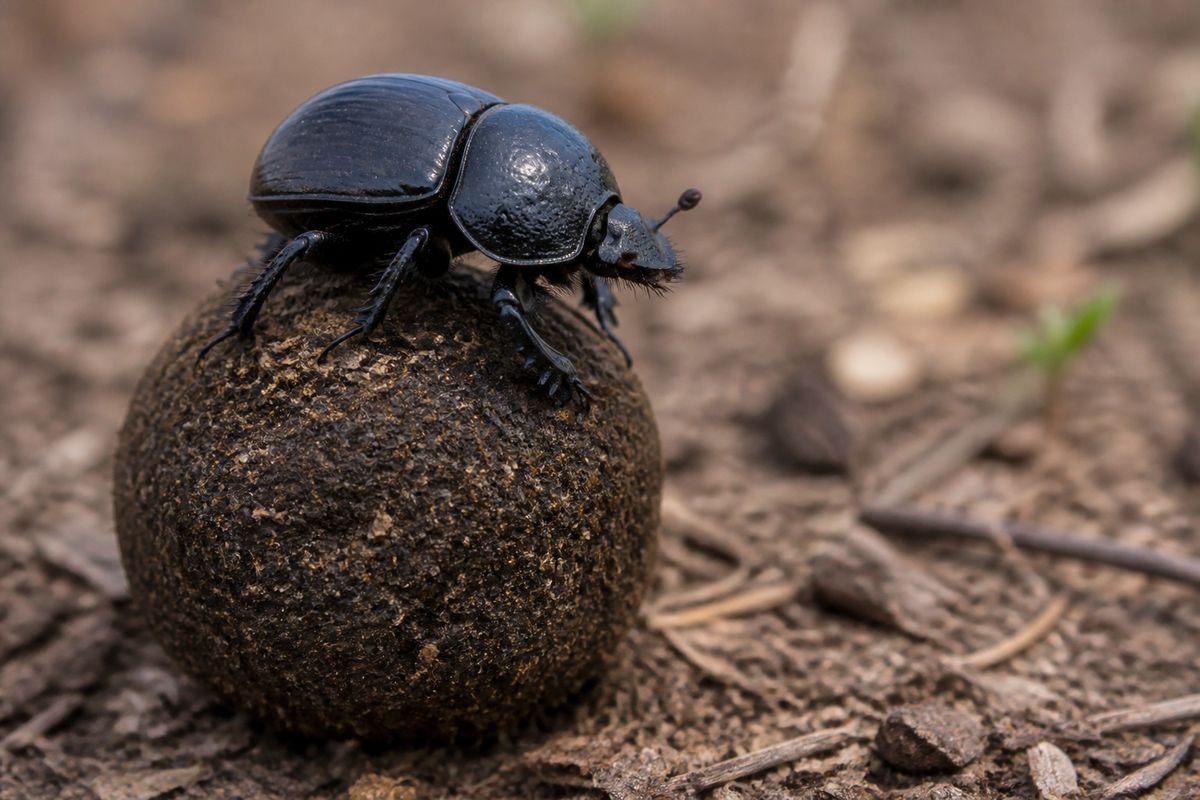
Dung beetles are fascinating creatures that play a crucial role in our ecosystem. These insects are known for their unique diet, primarily consisting of feces, which they utilize for food and reproduction. While these beetles may not be the most glamorous animals, their ecological importance is immense. In this article, we will explore the characteristics of dung beetles, focusing on their size, color, and behavior.
Overview of Dung Beetles
Dung beetles belong to the family Scarabaeidae, encompassing over 8,000 species worldwide. They are found on every continent except Antarctica, inhabiting a variety of environments, including grasslands, forests, and savannas. Their primary role in the ecosystem is to break down animal waste, which helps recycle nutrients back into the soil and promotes plant growth.
Importance of Dung Beetles
Before diving into their characteristics, it is essential to understand why dung beetles are vital to our ecosystem. They contribute to nutrient cycling by breaking down dung, which enriches the soil with organic matter. Additionally, they help control parasites by burying feces that might otherwise harbor harmful pathogens. Ultimately, dung beetles support biodiversity by promoting healthy ecosystems.
Size Characteristics of Dung Beetles
Dung beetles vary significantly in size depending on their species. The size can range from as small as 2 to 3 millimeters (0.08 to 0.12 inches) in some smaller species to more than 15 centimeters (6 inches) in larger ones like the African elephant dung beetle (Scarabaeus sacer).
Small Dung Beetles
Smaller species tend to be more abundant and are usually found in various habitats. Their small size allows them to navigate through dense vegetation and burrow into the ground easily. The smaller dung beetles often have a more globular shape and can quickly gather around fresh dung piles.
Large Dung Beetles
Larger species, such as the horned dung beetle (Onthophagus taurus), often possess notable physical characteristics like horns or large mandibles used for fighting or mating displays. The size of these beetles allows them to effectively move and manipulate larger dung piles, which can be advantageous for attracting mates.
Size Adaptation
The size of dung beetles is also an adaptation to their ecological niche. Smaller ones may specialize in burrowing into dung quickly to avoid predators, while larger ones can handle bigger dung types left by larger mammals. This variation in size reflects the evolutionary pressures faced by different species.
Color Characteristics of Dung Beetles
Dung beetles showcase a remarkable range of colors and patterns that serve various purposes in their lives.
Common Colors
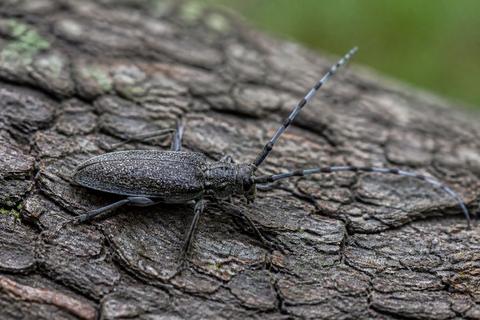
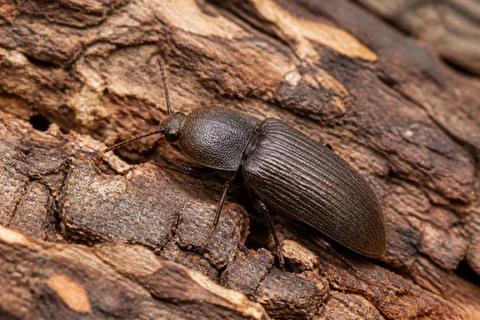
Many dung beetles exhibit shades of black or brown, which help them blend into their natural environment. This coloration provides camouflage against potential predators while they feed or burrow in dung piles. However, some species sport vivid colors or metallic sheens that can include greens, blues, or purples.
Iridescence and Coloration Patterns
The iridescent quality observed in certain dung beetle species arises from structural coloration rather than pigments alone. This effect is caused by microscopic structures in their exoskeletons that reflect light differently depending on the angle viewed. Bright colors can serve as signals to potential mates during courtship rituals.
Seasonal Variation
Coloration can also vary based on the seasons or habitat conditions. For instance, some species may display brighter colors during certain times of the year to attract mates during breeding seasons while becoming duller during adverse weather conditions as a means of camouflage.
Behavioral Characteristics of Dung Beetles
The behavior of dung beetles is as diverse as their physical characteristics. Their unique feeding habits, reproductive strategies, and social structures contribute significantly to their ecological roles.
Feeding Behavior
As their name suggests, dung beetles primarily feed on animal feces. They consume it directly or use it as a food source for their larvae. Different species have adapted various feeding strategies:
-
Rollers: Some dung beetle species roll balls of dung away from the source before burying them underground. This behavior not only helps protect their food source from competitors but also aids in nutrient distribution when the balls decompose.
-
Tunnelers: Other species dig tunnels beneath dung piles where they bury the fecal matter directly. This method ensures they have access to food while also aerating the soil.
-
Dwellers: Certain species prefer living within manure piles instead of moving it elsewhere. They feed on decaying organic matter directly within those environments.
Mating Behavior
Dung beetle mating rituals can be quite elaborate and competitive. Many male dung beetles develop pronounced horns or other physical traits to compete for female attention. The presence of these secondary sexual characteristics often correlates with mating success; females may favor males with larger horns due to perceived advantages in protecting their offspring.
During mating season, male dung beetles establish territories around successful dung piles where they attempt to attract females through displays of strength or endurance.
Parental Care
After mating, female dung beetles lay their eggs inside buried balls of dung. This practice not only provides nourishment for developing larvae but also offers them protection from predators and environmental hazards until they mature into adult beetles.
Some species exhibit high levels of parental investment by ensuring that their offspring have access to optimal food sources and safe environments during their early life stages.
Social Structures
While many dung beetle species are solitary in nature, some exhibit social behaviors similar to those seen in social insects like ants or bees. Certain species form aggregations where multiple individuals coexist around larger dung sources or share burrowing tasks.
Conclusion
In summary, dung beetles are remarkable insects characterized by diverse sizes ranging from tiny creatures just a few millimeters long to giant varieties measuring over six inches in length; an array of colors from commonplace blacks and browns to vibrant metallic hues; and a complex array of behaviors including specialized feeding habits and intricate mating rituals.
Their ecological significance cannot be overstated: they enhance nutrient cycling, control parasites, and foster biodiversity within ecosystems across the globe. Understanding these characteristics provides insights into how these seemingly unremarkable creatures contribute profoundly to our environment’s health and balance.
As we continue to study dung beetles further, we uncover more about not only their biology but also the intricate relationships that sustain our planet’s ecosystems, relationships that remain essential for maintaining environmental stability and functionality in a rapidly changing world.