Top 10 Facts About Dung Beetles That You Need to Know
Dung beetles, belonging to the family Scarabaeidae, are some of the most fascinating and underrated creatures on the planet. These small but mighty insects play a significant role in their ecosystems, often going unnoticed by those who might not appreciate their value. In this article, we will explore ten intriguing facts about dung beetles that highlight their importance and uniqueness.
1. Essential Ecosystem Engineers
Dung beetles are often referred to as “ecosystem engineers” because of their vital role in nutrient recycling. By breaking down animal waste, they help return nutrients to the soil, promoting healthy plant growth. This process also aids in maintaining soil structure and preventing the spread of parasites and diseases that can thrive in animal droppings.
2. Diverse Species
There are over 8,000 known species of dung beetles worldwide, showcasing an incredible diversity. They can be found on every continent except Antarctica, inhabiting various ecosystems such as forests, grasslands, and savannahs. Each species has adapted its behavior and morphology to effectively utilize dung from different animals, ranging from herbivores to carnivores.
3. Remarkable Sense of Smell
Dung beetles possess an extraordinary sense of smell, allowing them to locate dung from remarkable distances. They can detect the scent of dung from up to five miles away! Their ability to locate food sources is crucial for their survival and reproductive success. Once they find dung, they use it for nourishment and as a breeding ground for their young.
4. Unique Dung Rolling Behavior
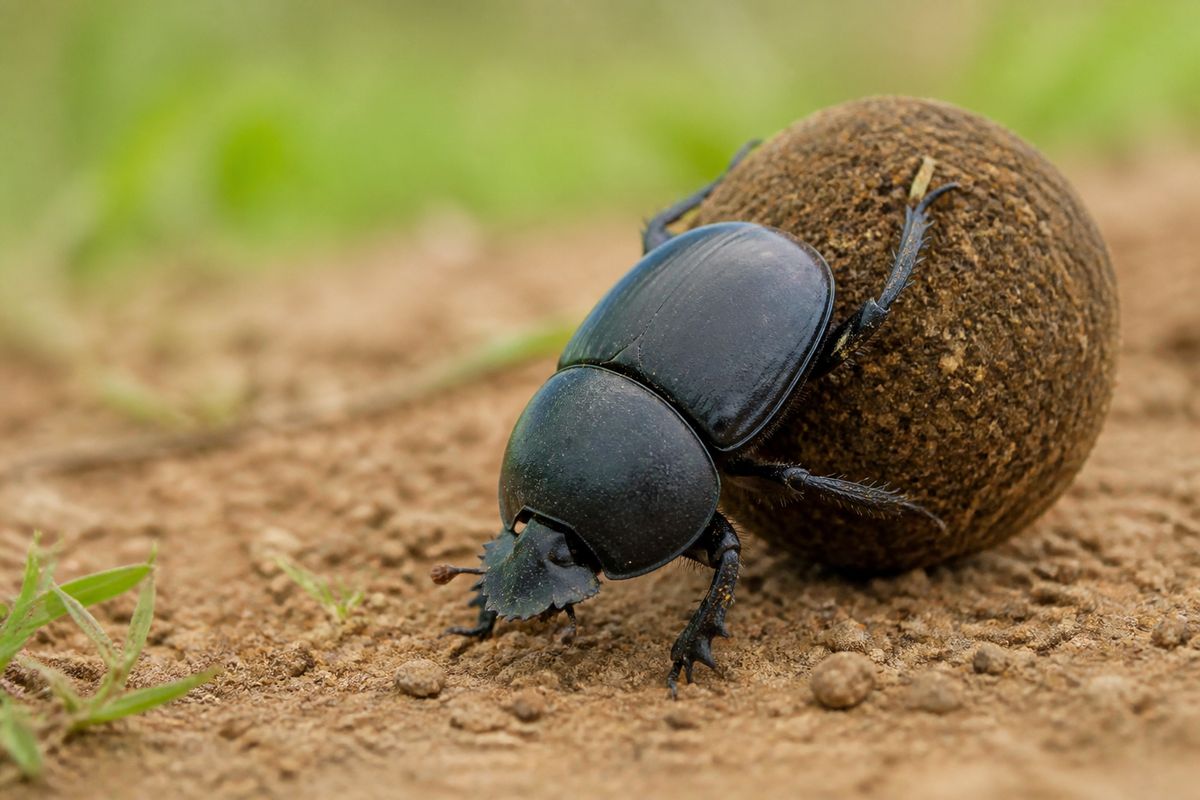
One of the most iconic behaviors of dung beetles is rolling balls of dung. After locating a suitable pile of droppings, they dig out a portion and roll it away to a safe location. These balls serve multiple purposes: they provide food for the beetle and its larvae and serve as a breeding chamber where eggs can be laid. The rolling behavior not only protects their offspring but also minimizes competition with other scavengers.
5. Mastery of Navigation
Dung beetles are not just skilled at finding dung; they are also expert navigators. Some species have been known to navigate using the Milky Way galaxy as a guide during nighttime! This remarkable ability allows them to travel straight lines over long distances while rolling their dung balls, ensuring they efficiently reach their burrows or breeding sites without getting lost.
6. Ecological Impact on Agriculture
The ecological services provided by dung beetles have a significant impact on agriculture. By breaking down manure, they help reduce the buildup of waste that can lead to nutrient runoff and pollution. Their activities improve soil health, which can enhance crop productivity and reduce the need for chemical fertilizers. Farmers who recognize the benefits of dung beetles often encourage their presence in fields, promoting a more sustainable farming practice.
7. Importance in Biodiversity
Dung beetles contribute significantly to biodiversity within ecosystems. By facilitating nutrient cycling and decomposition processes, they support a wide range of plant and animal species that rely on healthy soils for survival. Their interactions with various organisms create complex food webs, playing an important role in maintaining ecological balance.
8. Unique Mating Rituals
Mating rituals among dung beetles can be quite elaborate and competitive. Male dung beetles often engage in fierce battles over females and prime dung resources. Some species display impressive physical traits like large horns or body sizes that help them win these contests. Once a male secures a mate, they work together to dig a burrow where they will lay eggs within the dung ball.
9. Cultural Significance
Historically and culturally, dung beetles have held significant importance in various societies. In ancient Egypt, they were revered as symbols of regeneration and renewal due to their association with the sun god Ra, who was often depicted as a scarab beetle. This reverence carried over into art and mythology, highlighting how these insects have captured human imagination through time.
10. Conservation Concerns
Despite their ecological importance, many species of dung beetles face threats due to habitat destruction, climate change, and agricultural practices that disrupt their environments. As natural habitats shrink and pesticides become more prevalent, these essential insects struggle for survival. Conservation efforts aimed at protecting biodiversity must include measures to safeguard dung beetle populations.
Conclusion
Dung beetles are remarkable insects that play an essential role in maintaining ecological balance through their unique behaviors and interactions with the environment. Understanding these fascinating creatures highlights their importance not only in nature but also in agriculture and cultural contexts. As we continue to learn about these tiny yet impactful organisms, it becomes clear that protecting them is vital for sustaining healthy ecosystems worldwide.
By appreciating the intricacies of dung beetles’ lives, from their incredible sense of smell to their unique mating rituals, we can inspire greater awareness about biodiversity conservation efforts needed today. Whether you’re an insect enthusiast or simply curious about nature’s wonders, remembering the vital contributions of these little creatures can deepen our understanding of the world we share with them.