How to Spot Dung Beetles in the Wild: Field Identification Guide
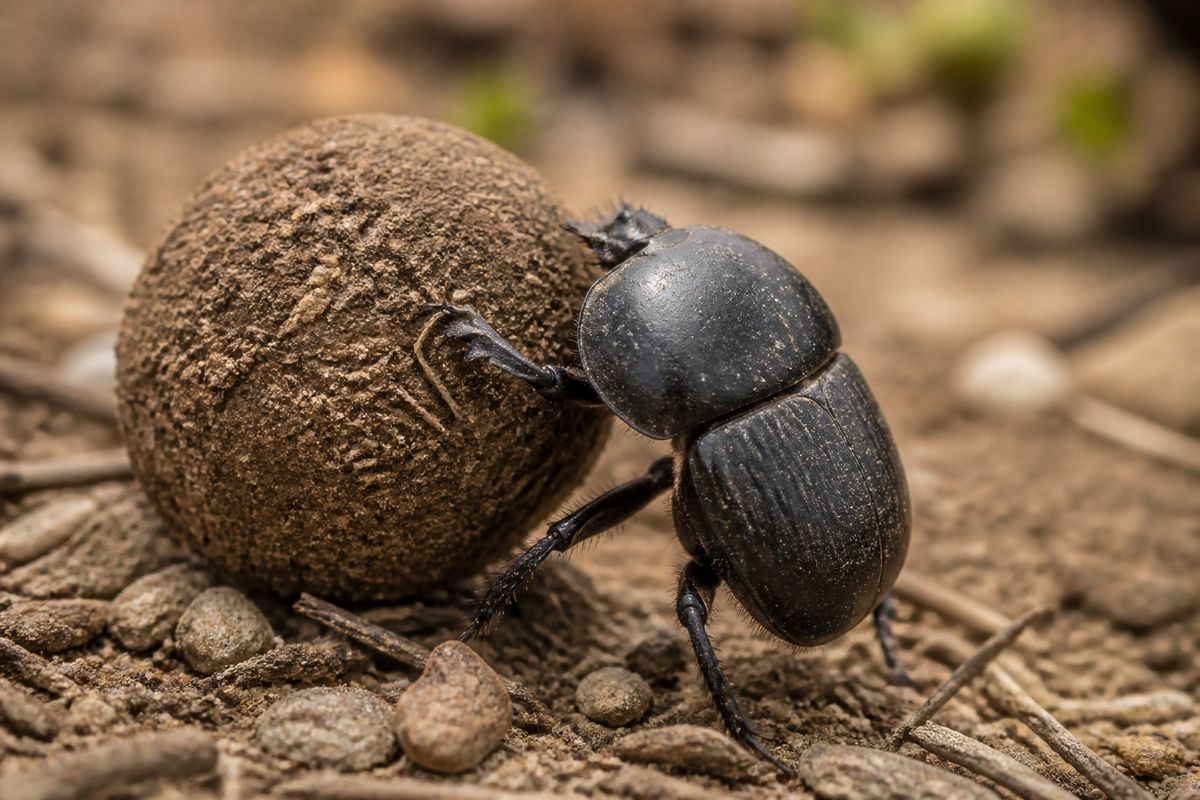
Dung beetles, members of the Scarabaeidae family, are fascinating insects that play a crucial role in maintaining healthy ecosystems. They are not only known for their unique behavior of rolling and burying dung but also for their diverse appearances and habitats. If you’re an entomology enthusiast or someone simply interested in nature, learning how to spot dung beetles can enhance your outdoor experiences. This guide will help you identify dung beetles in the wild, covering their physical characteristics, behaviors, habitats, and tips for finding them.
Understanding Dung Beetles
Before diving into identification techniques, it’s important to understand what dung beetles are and why they matter.
Importance in Ecosystems
Dung beetles contribute significantly to nutrient recycling and soil health. By feeding on dung, they help decompose organic matter, which enriches the soil. Their burrowing activities aerate the ground, improving water retention and promoting plant growth. Additionally, dung beetles can help control parasites found in animal feces, making them vital for livestock health.
Composition of Dung Beetle Families
There are approximately 7,000 species of dung beetles worldwide, categorized into three primary groups based on their behavior:
- Rollers: These beetles roll dung into balls that they bury for feeding.
- Tunnelers: They tunnel directly into the dung pile to lay eggs and feed.
- Dweller: These species live within the dung itself and often do not move it.
Understanding these categories can aid in your identification process.
Physical Characteristics
When identifying dung beetles in the wild, several physical traits can aid in recognizing them.
Size and Shape
Dung beetles vary widely in size but generally range from 5 mm to 50 mm in length. Their bodies can be oval or elongated, depending on the species. Notably, larger species often exhibit more vibrant colors.
Coloration
The color of dung beetles can range from black to metallic hues such as green, blue, and bronze. Many species also exhibit iridescent qualities due to structural coloration. The presence of distinct patterns or markings can also help distinguish between different species.
Body Structure
Dung beetles typically have robust bodies with thick exoskeletons. Their legs are well-developed for digging or rolling dung; many possess large, spiny hind legs adapted for movement over rough terrain or for manipulating balls of dung.
Antennae and Eyes
Most dung beetles have club-shaped antennae that assist in sensing their environment. Their eyes are often large relative to their body size, accommodating their need for good vision while navigating through complex habitats.
Identifying Dung Beetle Behavior
Observing dung beetle behavior is one of the best ways to identify them in the field.
Feeding Habits
As their name suggests, dung beetles primarily feed on animal feces. Look for signs of feeding around areas where herbivorous animals graze or congregate. You may see them actively rolling ball-shaped masses of dung or digging into piles.
Nesting Behavior
Many dung beetle species create nests by burying dung underground. If you notice a particular area where feces have been disturbed or formed into small mounds, there might be a colony nearby.
Activity Patterns
Dung beetles are most active during warm months and typically come out at dawn and dusk. On sunny days after rainfalls, these insects can be seen more frequently as they search for fresh dung.
Where to Find Dung Beetles
Knowing where to look is just as important as identifying them visually.
Preferred Habitats
Dung beetles favor habitats where large herbivores are present since they rely on animal feces for food. Common locations include:
- Fields: Pastures with cattle or sheep provide ample food sources.
- Forests: Areas with deer or other wildlife.
- Parks: Urban parks with grassy areas may also host these insects.
- Ranches: Agricultural regions with livestock offer prime habitats.
Seasonal Considerations
The best time to observe dung beetles is during warmer months when temperatures rise above 15°C (59°F). Late spring through early autumn is ideal for spotting diverse species.
Tips for Spotting Dung Beetles in the Wild
Successfully locating and identifying dung beetles requires patience and attention to detail. Here are some effective strategies:
1. Look for Dung Piles
Search near animal trails or grazing areas where you might find fresh animal droppings. Focus on herbivorous feces as it tends to attract more dung beetle activity.
2. Observe Early Mornings or Late Evenings
Seek out dung beetles during cooler parts of the day when they are most active but avoid high temperatures that may drive them into hiding.
3. Use a Field Guide
Having a field guide specific to your region can help you identify various species accurately based on color patterns and behaviors.
4. Capture Photographic Evidence
If you spot a particularly interesting specimen but can’t identify it immediately, take photos from multiple angles. This information will be useful for later identification when analyzing field guides or seeking assistance from experts online.
5. Conduct Trapping Experiments
For those interested in serious entomology studies, consider setting up pitfall traps baited with attractive substances like fruit or even fresh dung to capture specimens for closer examination.
Ethical Considerations When Observing Dung Beetles
While observing these fascinating creatures is rewarding, it’s essential to practice ethical entomology:
- Do Not Disturb Nests: If you locate a nest or colony, don’t disturb it as this could harm the insects’ survival chances.
- Leave No Trace: Always clean up after yourself in nature by not leaving behind any trash or disrupting natural habitats.
- Report Unusual Finds: If you discover an uncommon species during your observations, consider reporting it to local environmental organizations or entomological societies for further study.
Conclusion
Identifying dung beetles in the wild can be an enriching experience that deepens your appreciation for nature’s diversity and ecological balance. By understanding their behaviors, physical characteristics, preferred habitats, and using effective spotting techniques, you can enhance your wildlife observations significantly. Whether you’re an avid hiker or a curious naturalist, keep your eyes peeled, you never know when you’ll spot these unsung heroes of ecosystem health busy at work!