How to Identify Dung Beetles: Identification Tips
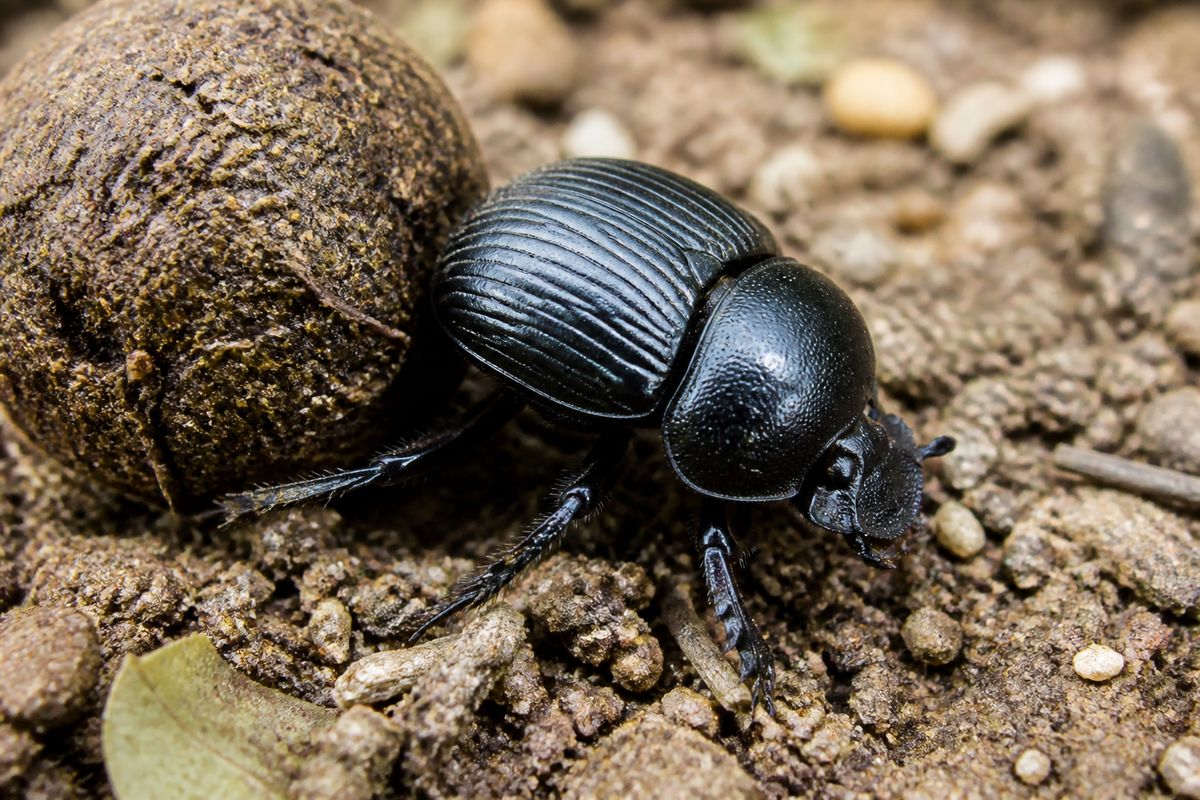
Dung beetles are fascinating insects that play a crucial role in our ecosystem. They are best known for their unique behavior of rolling and burying dung, which aids in nutrient recycling and soil aeration. If you’re interested in these remarkable creatures, understanding how to identify them can enhance your appreciation of their ecological contributions. This article will provide you with comprehensive identification tips to help you recognize different species of dung beetles.
Understanding Dung Beetles
Before diving into identification tips, it’s essential to understand what dung beetles are and what sets them apart from other insects. Dung beetles belong to the family Scarabaeidae, which includes over 6,000 species worldwide. They are primarily herbivorous and feed on the feces of various animals, including herbivores and omnivores.
The ecological significance of dung beetles cannot be overstated. By breaking down animal waste, they contribute to nutrient cycling, improve soil health, and provide habitats for other wildlife. Identifying these beetles can offer insights into the health of an ecosystem and the diversity of species present.
Physical Characteristics
Size and Shape
Dung beetles come in various sizes, typically ranging from 5mm to 50mm in length. Their shapes can vary from oval to elongated or even spherical, depending on the species. When identifying dung beetles, consider their overall size and shape as a primary characteristic.
Coloration
The coloration of dung beetles is quite diverse, with many exhibiting iridescent hues that can change based on the angle of light. Common colors include black, brown, metallic green, or blue. Some species may also show distinctive patterns or markings which can aid in identification.
Antennae
The antennae of dung beetles are another key feature for identification. Most have a clubbed shape with several segments that allow for better sensory perception. The type and structure of the antennae can vary widely among species.
Behavioral Traits
Rolling Behavior
One of the most recognizable behaviors of dung beetles is their tendency to roll dung into balls. This behavior is primarily observed in coprophagous species (those that primarily feed on feces) and can serve various purposes, including feeding, mating rituals, and creating nurseries for their larvae.
When observing dung beetles, pay attention to whether they roll or bury dung, as this behavior may help distinguish between different types.
Feeding Habits
While many dung beetles primarily consume animal waste, some species exhibit unique feeding preferences. For example, some may prefer decaying plant matter or fungi in addition to dung. Understanding a beetle’s diet can provide insight into its classification and ecological role.
Habitat Preferences
Dung beetles thrive in a variety of environments ranging from grasslands to forests and deserts. Certain species are adapted to specific habitats. Observing where you find a dung beetle can be a valuable clue in identifying its species.
Identification Techniques
Field Guides
For amateur entomologists or nature enthusiasts looking to identify dung beetles accurately, field guides can be invaluable resources. These guides often contain photographs and descriptions of various species found in specific regions. Look for field guides specific to your area for the best results.
Photography
Taking clear photographs of the specimens you encounter is an excellent way to help with identification later on. Capture images from multiple angles, top view, side view, and underbelly, and focus on important features like coloration patterns and antennae shape.
Collecting Samples
If permissible within your area’s regulations, collecting samples may enhance your ability to identify specific species accurately. Use proper collection methods such as nets or jars, ensuring minimal harm to the insect.
Consulting Experts
Engaging with local entomologists or insect enthusiasts can provide additional insights into identifying dung beetles. Online forums or social media groups dedicated to entomology are excellent places to share your observations and seek advice.
Distinguishing Between Species
While there are several characteristics common among dung beetles, numerous species have distinct features that set them apart:
Horns
Some male dung beetles develop prominent horns on their heads or thoraxes. These horns are often used in combat with other males during mating season and can vary significantly in size and shape across different species.
Elytra Patterns
The hard outer wings (elytra) of dung beetles may display unique patterns or textures that are distinctive to certain species. Look for ridges (striae), dots (punctation), or smooth surfaces when observing them closely.
Common Species Identification
Familiarizing yourself with common dung beetle species in your region can make identification easier:
European Dung Beetle (Onthophagus taurus)
This species is characterized by its small size (approximately 7-12 mm) and its prominent horns on males. The coloration is generally black or dark brown.
Eastern United States Dung Beetle (Canthon viridis)
Recognizable by its bright green metallic sheen, this beetle usually grows between 10-20 mm long. It often prefers open fields where large herbivores roam.
Scarab Dung Beetle (Scarabaeus sacer)
Noted for its larger size (up to 30 mm) and characteristic round shape, this beetle has a robust build with shiny black elytra that may have minor striations.
Rainbow Scarab (Phanaeus vindex)
Resplendent with iridescent colors ranging from blue-green to purple-red on its thorax, this medium-sized (15-25 mm) beetle is easily distinguished by its bright coloration and distinctive horn structure.
Conclusion
Identifying dung beetles offers a glimpse into the intricate web of life within our ecosystems. By understanding their physical characteristics, behaviors, habitats, and employing identification techniques such as field guides and photography, you can enhance your ability to recognize these vital insects.
As you seek out dung beetles in your local environment, remember their essential role in maintaining ecological balance through nutrient recycling and soil health improvement. Whether you’re an avid naturalist or simply curious about the wonders of nature, knowing how to identify these remarkable creatures will deepen your appreciation for the diversity of life around us.