How to Attract Dung Beetles to Your Garden: Tips and Tricks
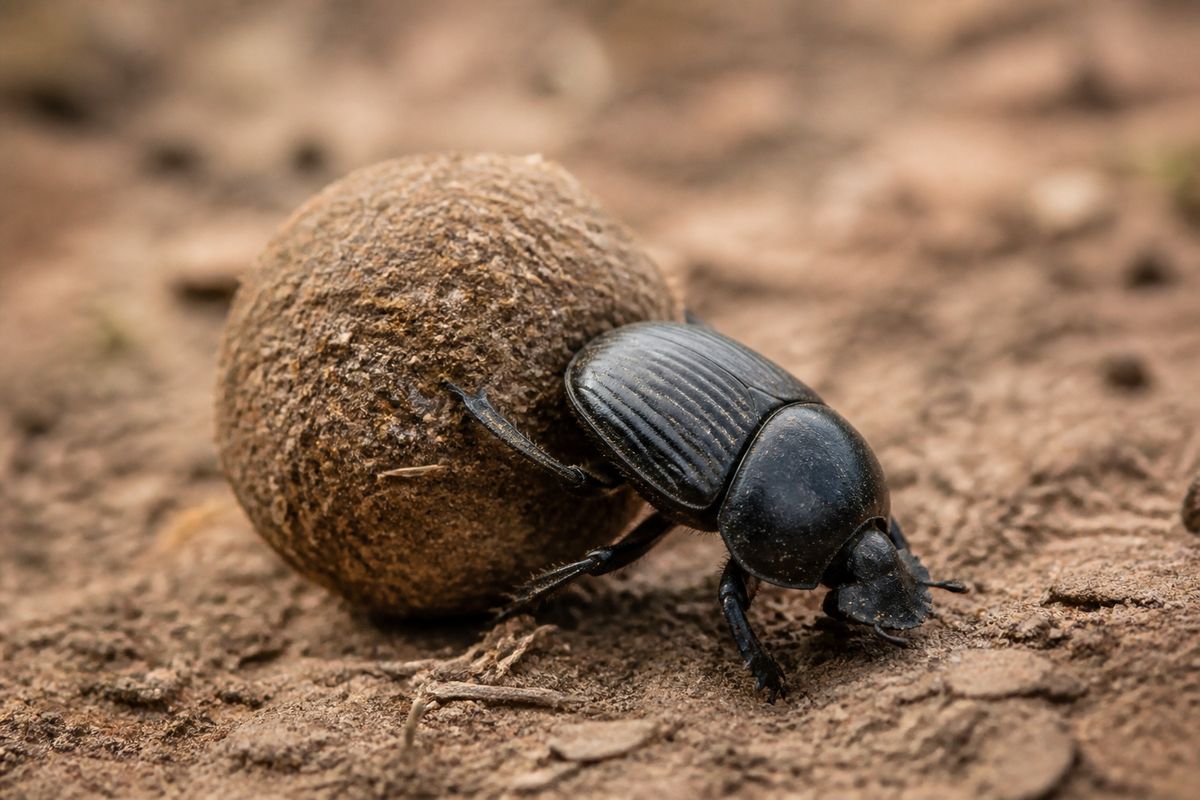
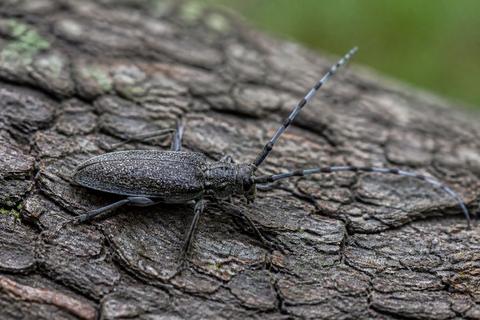
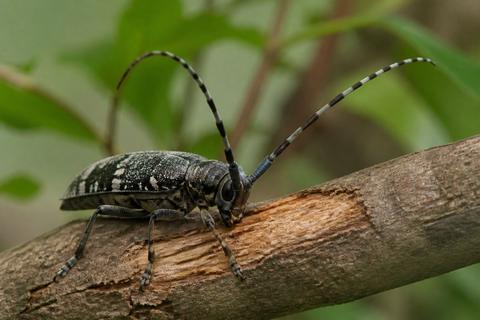
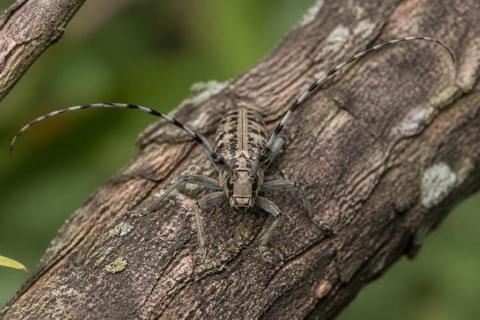
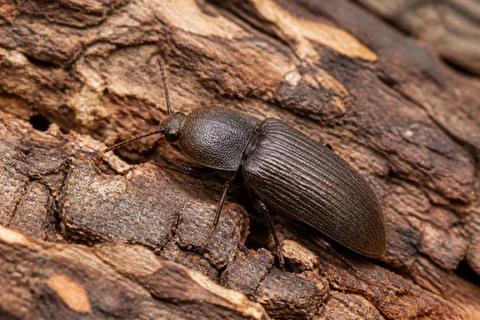
Dung beetles are fascinating creatures that play a crucial role in the ecosystem. They are nature’s recyclers, helping to decompose waste, improve soil health, and promote biodiversity. If you’re looking to attract these beneficial insects to your garden, you’re in luck! In this article, we’ll explore various strategies and tips that will help you invite dung beetles into your outdoor space.
Understanding Dung Beetles
Before delving into how to attract them, it’s essential to understand what dung beetles do and why they are important. Dung beetles primarily feed on animal feces, which they roll into balls and bury. This behavior not only helps recycle nutrients back into the soil but also reduces the presence of parasites and pests associated with animal droppings. Additionally, their tunneling activities aerate the soil, promoting healthy root growth for your plants.
Choosing the Right Location
1. Create a Natural Habitat
Dung beetles thrive in environments that mimic their natural habitats. They prefer areas with some shade, moisture, and organic material. Planting native grasses and wildflowers can create an attractive environment for these insects. Avoid using pesticides and herbicides, as they can harm beneficial insects like dung beetles.
2. Designate a ‘Dung Beetle Zone’
Consider setting aside a specific area in your garden as a ‘dung beetle zone.’ This area can be less manicured and more natural, allowing for the growth of native plants and grasses. Adding decaying logs or brush piles can also provide shelter for dung beetles.
Providing Food Sources
3. Encourage Animal Activity
Since dung beetles feed on animal feces, attracting animals such as birds or small mammals can provide a steady food source. You can achieve this by creating a wildlife-friendly garden with bird feeders, birdbaths, or even small mammal habitats. The presence of these animals will naturally lead to more droppings available for dung beetles.
4. Utilize Compost Bins
Composting is an excellent way to attract dung beetles while also enriching your garden soil. Compost bins create an environment filled with organic matter that dung beetles love. Ensure that your compost pile remains moist and contains plenty of carbon-rich materials (like leaves) and nitrogen-rich materials (like kitchen scraps) to create an optimal habitat.
5. Leave Animal Manure in Place
If you have livestock or pets, leaving their manure in designated areas of the garden can attract dung beetles. However, it’s essential to keep the manure localized rather than spread all over your garden to avoid overwhelming other beneficial insects or causing odors.
Enhancing Soil Health
6. Practice Organic Gardening
Utilizing organic gardening practices is key when trying to attract dung beetles. Avoid chemical fertilizers and pesticides that can be harmful to these beneficial insects. Instead, focus on using organic fertilizers like compost or well-rotted manure to promote healthy soil conditions.
7. Improve Soil Structure
Dung beetles are more likely to inhabit areas with loose, well-aerated soil. Practices such as mulching and incorporating organic matter into the soil can improve its structure. This makes it an attractive place for dung beetles to dig tunnels and lay eggs.
Creating a Welcoming Environment
8. Provide Moisture
Dung beetles prefer moist environments as they are sensitive to desiccation (drying out). Ensuring that your garden has adequate moisture through regular watering or installing a drip irrigation system can make it more inviting for these creatures.
9. Minimize Disturbance
Frequent disturbances in the garden can repel dung beetles. Avoid excessive tilling or digging in areas where you want them to establish a population. Instead, practice no-till gardening techniques wherever possible.
Plant Selection
10. Use Native Plants
Native plants are better adapted to local conditions and often require less maintenance than non-native species. They provide food sources for various insects, which can attract animals that produce dung for the beetles to consume.
11. Incorporate Flowering Plants
While dung beetles primarily feed on feces, they are also attracted to flowering plants that provide nectar for other pollinators, enhancing the overall biodiversity of your garden. Some flowers also produce seeds that may attract small mammals, further benefiting your dung beetle population.
Educating Yourself about Dung Beetle Species
12. Research Local Species
Not all dung beetle species behave the same way or prefer the same conditions. Researching local species will help you determine which types are common in your area and what their specific preferences are regarding habitat and food sources.
13. Join Local Gardening Groups
Engaging with local gardening communities can be beneficial when it comes to attracting dung beetles. Members may have valuable insights about local fauna and flora that could help you create a dung beetle-friendly environment.
Monitoring Progress
14. Observe Your Garden
Once you’ve implemented these strategies, take time to observe your garden regularly for signs of dung beetle activity, look for burrowed holes in the ground or small fecal balls around your designated areas.
15. Adjust Your Methods
If you notice that dung beetles are not appearing as expected, don’t hesitate to adjust your methods based on observations and changing conditions in your garden environment.
Conclusion
Attracting dung beetles to your garden is not only beneficial for enhancing soil quality but also promoting biodiversity within your ecosystem. By creating inviting habitats with adequate food sources while practicing organic gardening principles, you increase the chances of welcoming these fascinating insects into your outdoor space.
With patience and observation, you’ll soon find yourself enjoying the many advantages that come from having dung beetles as part of your gardening family! So get started today, your garden will thank you!