How to Attract Crickets to Your Garden Naturally
How to attract crickets to your garden comes down to three things: shelter, moisture, and food debris left where they can find it. Crickets in the family Gryllidae are decomposers and scavengers, not pests, and a few small changes to how you mulch and water will bring them in within a season.
Know What You're Attracting
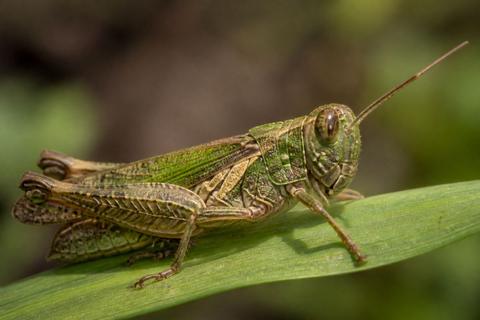
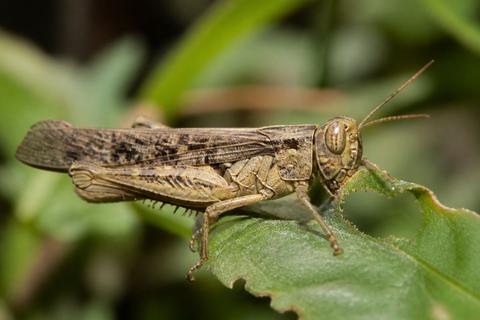
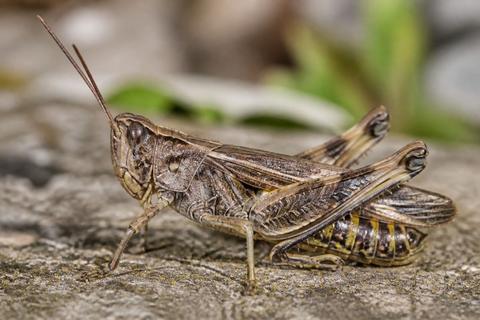
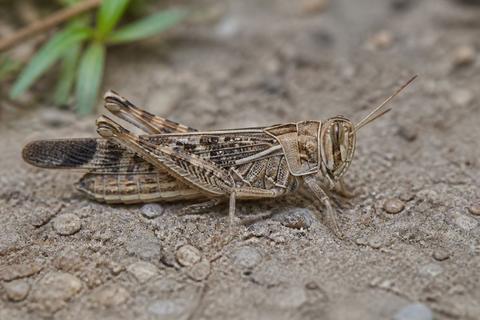
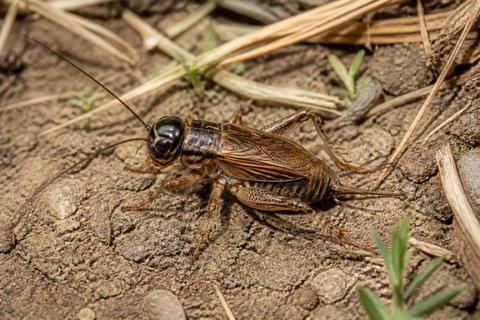
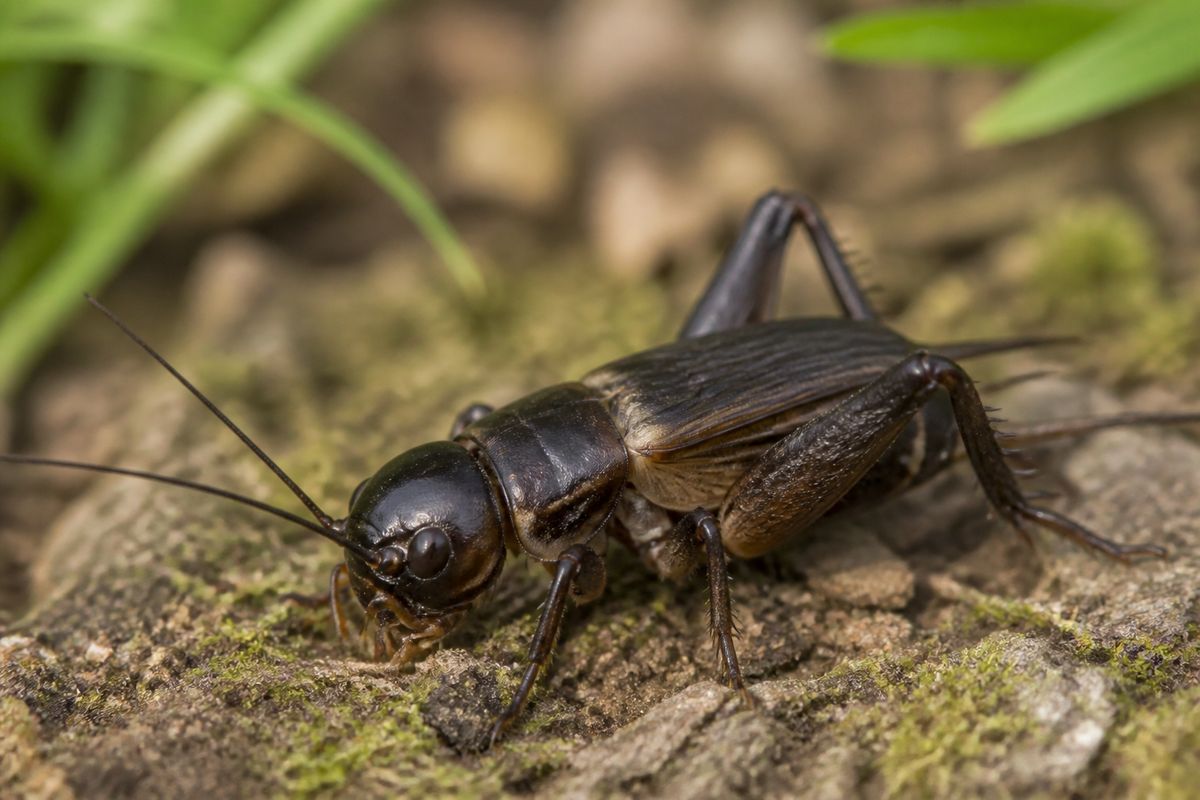
Two crickets show up in most home gardens across the US. The field cricket (Gryllus spp.), dark brown to black and about 20-25mm long, burrows in soil and shelters under stones, logs, and leaf litter. The house cricket (Acheta domesticus) is lighter tan with three dark stripes behind the head, more slender, and prefers warm, sheltered spots rather than open soil. Both are omnivorous scavengers feeding on plant matter, fruit, and dead insect protein, and field crickets specifically will eat both seedlings and fly pupae as they forage (UF/IFAS Extension).
Build Shelter First
Mulch and Leaf Litter
Spread 2-3 inches of shredded leaf or straw mulch around bed edges and under shrubs. Crickets hide in the loose layer during the day and forage at the surface after dusk. Don't rake it bare in fall; a lightly disturbed leaf layer over winter is where next season's crickets will already be sheltering.
Rock and Log Piles
Stack flat stones or a few short log sections in an out-of-the-way corner, leaving gaps of half an inch to an inch between pieces. These crevices stay cooler and more humid than open soil, which is exactly what field crickets use for daytime cover and for egg-laying sites near the base.
Reduce Tilling
Field crickets dig their own burrows in bare or loamy soil. Frequent tilling destroys those burrows faster than crickets can rebuild them. If part of your garden can go no-till, or at least untilled along one border, that strip becomes the easiest place for them to establish.
Keep Soil and Air Moist
Crickets lose water quickly through their exoskeletons and need damp soil, particularly for egg-laying in the top inch or two of ground. Water beds in the morning so the top layer stays moist into the evening without staying soaked. A shallow dish of water with a few pebbles (so anything that falls in can climb out) gives them a reliable drinking source near their shelter.
Leave Food in Place
Let spent plants, fallen fruit, and grass clippings break down where they land instead of bagging everything for removal. Crickets feed on this decaying material directly, and the fungi and microbes that colonize it are also part of their diet. A working compost pile or a neglected corner with decomposing leaves will draw crickets faster than any planting choice.
Skip the Pesticides
Broad-spectrum insecticides don't distinguish between crickets and the pests you're targeting. If you need to treat aphids or other actual pests, spot-treat with insecticidal soap or neem oil rather than spraying beds where crickets shelter, and treat in the evening after crickets have moved to cover for the day.
Timing
Field crickets become active as soil warms in late spring and peak through summer into early fall in most of the US; house crickets can be active indoors or in sheltered spots year-round in warmer climates. Chirping itself is temperature-driven: males rub their wings together to call females, and crickets generally stop singing below about 55°F, so don't expect much activity on cold nights even if shelter and food are in place.
What to Expect
A garden with mulch, a rock pile, damp soil, and undisturbed leaf litter typically shows cricket activity within a few weeks in season, more if you're converting from bare, tilled, chemically-treated beds. Check under your rock pile or mulch edge in daylight; crickets that have moved in will be visible at rest even before you hear them at night.