How Do Yellowjackets Contribute to the Ecosystem?
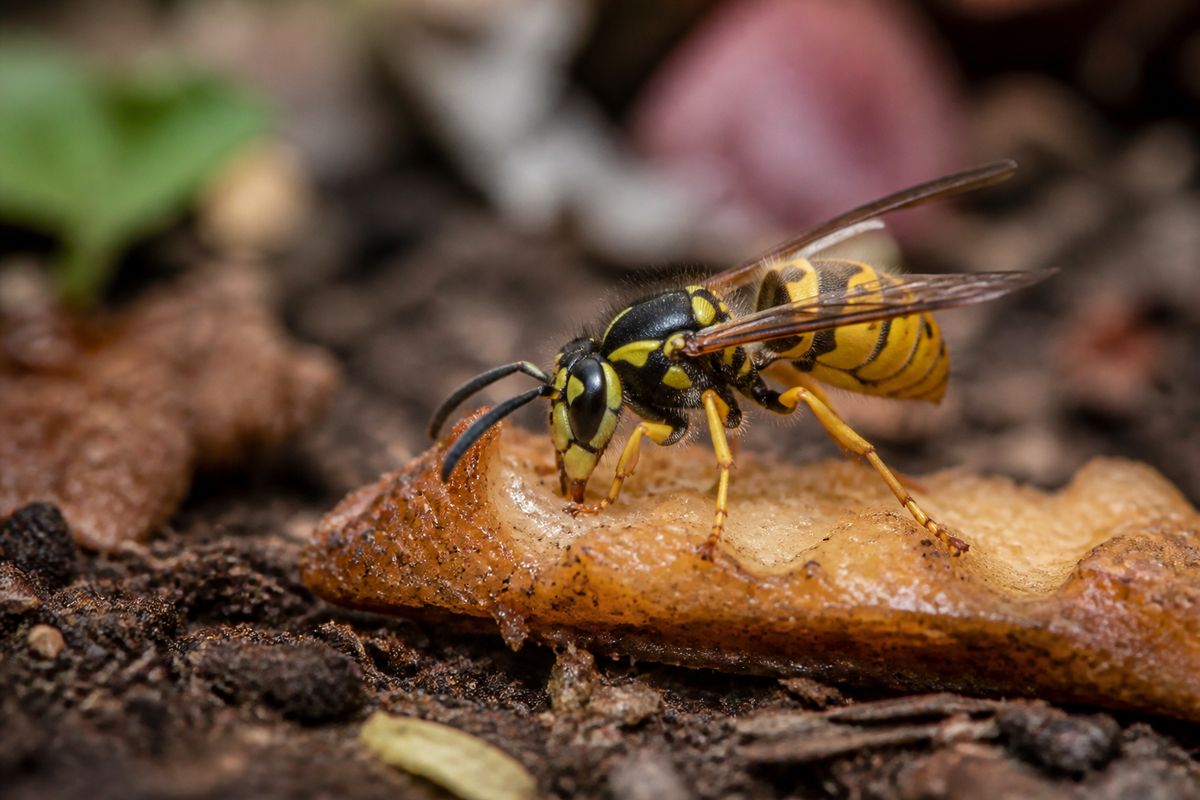
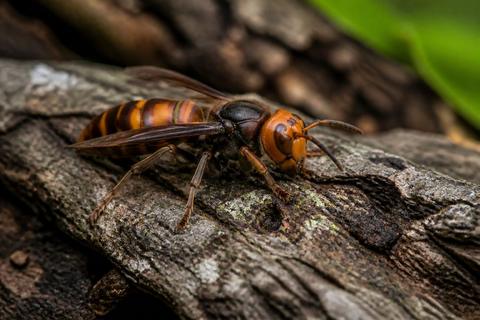
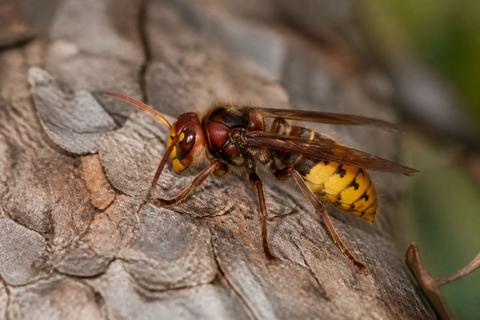
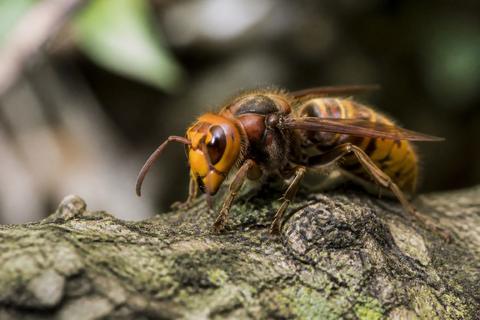
Yellowjackets, often recognized for their striking black and yellow coloration, are a type of social wasp belonging to the Vespula and Dolichovespula genera. Though commonly perceived as pests, especially during outdoor gatherings when food is present, these insects play a surprisingly significant role in maintaining ecological balance. This article will explore how yellowjackets contribute to their ecosystems, highlighting their roles in pest control, pollination, and nutrient recycling.
The Importance of Pest Control
One of the most critical contributions of yellowjackets to their ecosystem is their role in controlling pest populations. As carnivorous insects, yellowjackets primarily feed on other insects, including many that are considered pests. They are known to hunt and capture various species of flies, caterpillars, and even other wasps. By preying on these organisms, yellowjackets help keep pest populations in check.
Natural Predators in the Food Web
In the natural food web, yellowjackets serve as both predators and prey. As predators, they help regulate populations of harmful insects that can damage crops and gardens. For instance, by reducing the number of caterpillars and beetles that feed on plants, yellowjackets indirectly benefit agriculture and horticulture. This predatory behavior is essential for maintaining healthy ecosystems where plant diversity can thrive.
Conversely, yellowjackets themselves are prey for various animals such as birds, mammals, and other insects. This dual role enhances biodiversity within ecosystems, as it supports a trophic structure where energy flows from one level to another.
Pollination Contributions
While yellowjackets are not typically recognized as primary pollinators like bees or butterflies, they do contribute to pollination in significant ways. As they forage for food, they inadvertently transfer pollen from one flower to another. This behavior can enhance plant reproduction and genetic diversity.
Feeding Habits
During the summer months, when food sources are abundant, yellowjackets consume nectar from various flowering plants. Their open-mouthed feeding style allows them to access nectar efficiently while simultaneously collecting pollen on their bodies. When they move from flower to flower in search of food, they facilitate cross-pollination, a critical process for many plant species.
While their contribution may not be as pronounced as that of specialized pollinators like honeybees or bumblebees, it is nonetheless significant. Some studies suggest that yellowjackets can contribute to the reproductive success of certain plants by increasing the likelihood of fertilization through cross-pollination.
Decomposers of Organic Matter
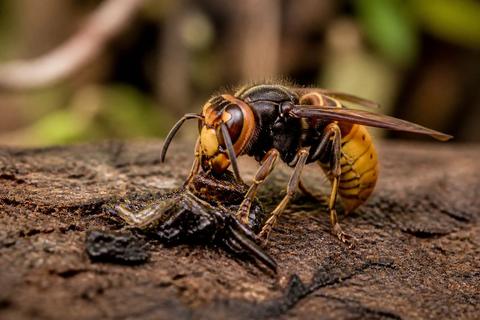
Yellowjackets also play an essential role in nutrient cycling within ecosystems. They are scavengers that feed on carrion and decaying organic matter. By breaking down dead animals and plant materials, they facilitate decomposition processes that release nutrients back into the soil.
Nutrient Recycling
This recycling process is vital for soil health and fertility. When yellowjackets consume decomposing organic matter, they help accelerate the breakdown of complex organic compounds into simpler forms that can be utilized by plants and microorganisms in the ecosystem. This process enriches the soil with essential nutrients such as nitrogen, phosphorus, and potassium, elements critical for plant growth.
Moreover, by contributing to decomposition, yellowjackets support various microorganisms responsible for nutrient cycling. These microorganisms thrive in organic-rich soils and play additional roles in promoting plant health by enhancing soil structure and moisture retention.
Impact on Biodiversity
Biodiversity is crucial for ecosystem resilience, an attribute that enables systems to withstand environmental changes or disturbances. Yellowjackets contribute to biodiversity in several ways:
Enhancing Species Diversity
As both predators and scavengers, yellowjackets influence species richness within their habitats. Their hunting habits limit overpopulation of certain insect species while providing food sources for predators higher up the food chain. This complex interaction promotes a balanced ecosystem with greater diversity among species.
Habitat Formation
Yellowjackets build nests that can provide habitats for various species after abandonment or destruction. These nests consist of paper-like materials created from chewed wood fibers mixed with saliva. Once vacated by the wasps at the end of their life cycle, typically after the first frost, these nests can become homes for other organisms such as spiders or beetles.
Human Interaction and Ecosystem Balance
While yellowjackets have a reputation for being aggressive during late summer when food becomes scarce, it’s essential to recognize their ecological benefits amidst human-wasp interactions. Understanding how these insects impact local environments can promote coexistence rather than conflict.
Educating Communities About Yellowjackets
Community awareness programs that educate people about the ecological benefits of yellowjackets can help reduce negative perceptions associated with these insects. Increased understanding can foster tolerance towards their presence in residential areas and encourage individuals to adopt non-lethal methods for managing interactions.
Additionally, promoting biodiversity-friendly practices such as planting native flora can support not only yellowjackets but also a host of other beneficial insects that contribute positively to local ecosystems.
Conclusion: Embracing Yellowjackets’ Ecological Roles
In summary, while yellowjackets may evoke fear due to their painful stings and aggressive behavior when defending their nests or searching for food sources, these insects play vital roles in our ecosystems. From pest control to pollination and nutrient recycling, their contributions are invaluable in maintaining ecological balance.
Recognizing the importance of these creatures can lead to greater appreciation for biodiversity within our environments. By fostering coexistence between humans and yellowjackets, and promoting practices that protect all beneficial insect species, we can cultivate healthier ecosystems for future generations.
Incorporating educational initiatives aimed at dispelling myths surrounding yellowjackets may also encourage sustainable interactions with nature while preserving essential ecological functions they provide. Ultimately, understanding how do yellowjackets contribute to the ecosystem allows us to embrace all facets of nature’s intricate web, a crucial step towards fostering environmental stewardship in an ever-changing world.