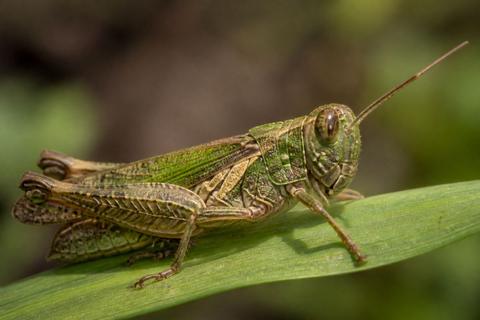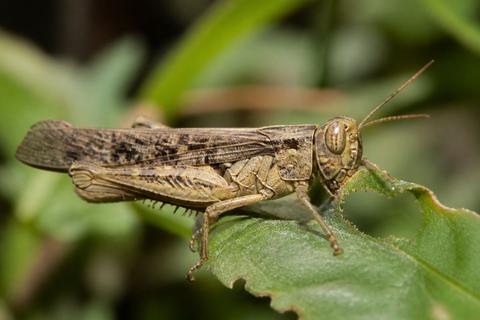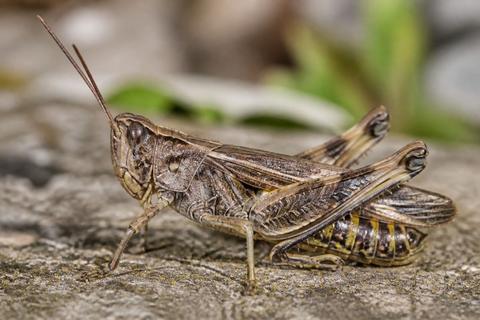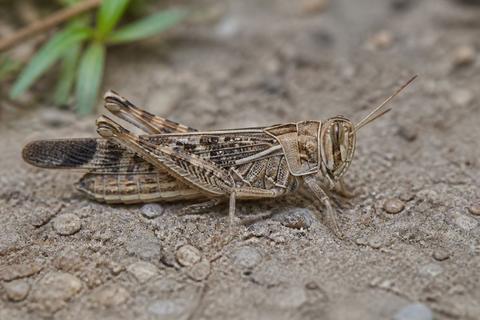
How Do Grasshoppers Contribute to the Ecosystem?
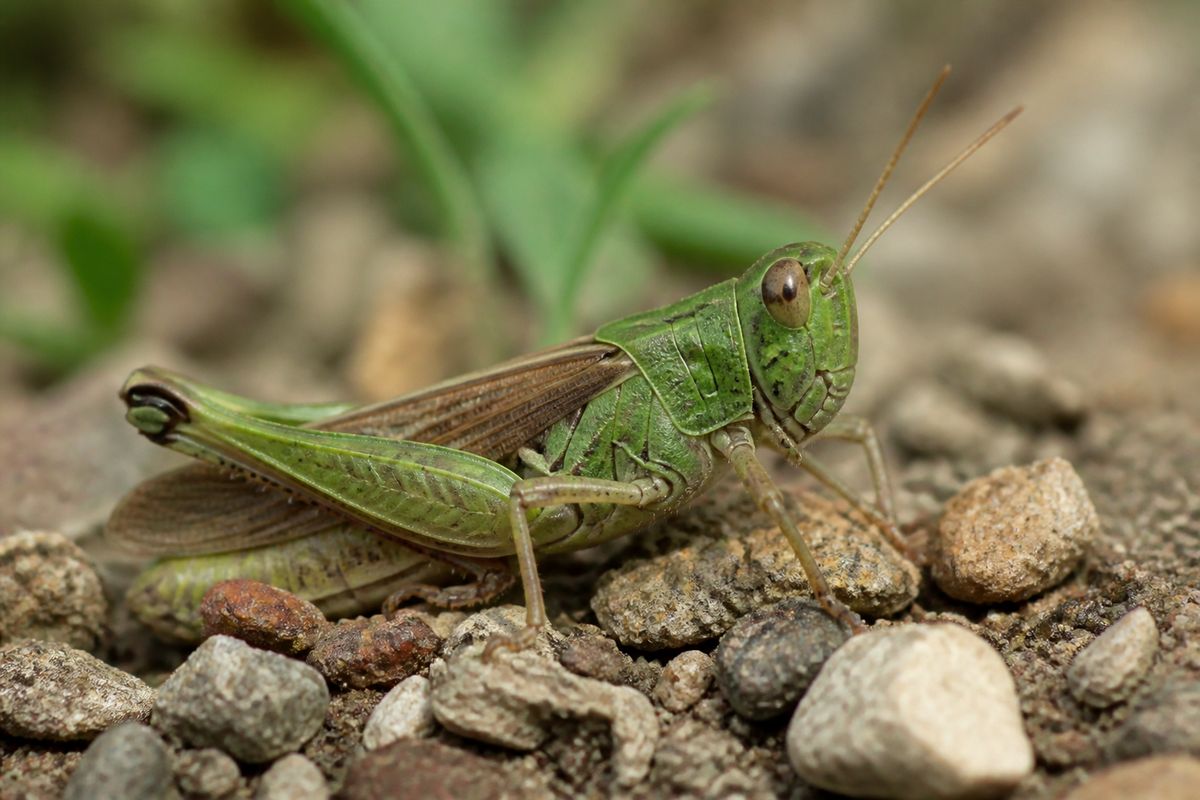
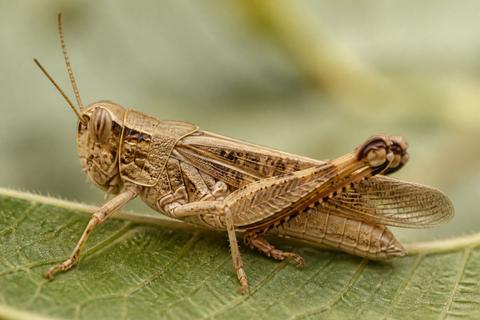
How do grasshoppers contribute to the ecosystem? Mostly by moving plant matter through the food web faster than it would decompose on its own. The order Orthoptera includes more than 23,000 species worldwide, and in North American grasslands a handful of Acrididae species can outnumber every other herbivore on the site. Their feeding, waste, and movement touch soil chemistry, plant density, and the diets of dozens of predators.
Herbivores That Shape Plant Communities
Grasshoppers feed on grasses and forbs, and heavy feeding pressure keeps fast-growing plants from crowding out slower ones. A single field can hold several grasshopper species, each with different host-plant preferences, so their combined grazing spreads pressure across many plant types instead of hammering one.
Selective Feeding and Plant Diversity
Some species, like the differential grasshopper (Melanoplus differentialis), favor broadleaf plants and crops, while others target specific grasses. This selectivity means grasshopper grazing rarely wipes out a single species; instead it thins dominant plants and opens space for less competitive ones to establish.
Frass and Nutrient Return
Grasshoppers do not digest everything they eat. Their droppings, called frass, return nitrogen and other nutrients to the soil well before the plant tissue would have decomposed on its own. Research from the Smithsonian's Great Plains Science program found that sustained drops in grasshopper numbers led to measurable declines in soil carbon and nitrogen storage, a sign of how much nutrient cycling depends on their feeding activity.
A Primary Food Source for Grassland Predators
Grasshoppers are one of the most abundant sources of protein in open grassland and prairie habitats, and that abundance ripples through the food web.
Birds
Grassland birds such as western meadowlarks, grasshopper sparrows, and loggerhead shrikes time their breeding season to peak grasshopper abundance in early-to-mid summer. Chicks raised on grasshoppers and other large insects fledge faster than those raised on seed alone.
Mammals and Reptiles
Shrews, deer mice, and coyotes all take grasshoppers opportunistically, and lizards such as the eastern fence lizard rely on them heavily during peak grasshopper season in mid to late summer.
Spiders and Predatory Insects
Wolf spiders, robber flies, and predatory ground beetles ambush grasshopper nymphs before they reach full size, which helps cap grasshopper density before it reaches outbreak levels.
Effects on Soil Structure
Beyond frass, grasshoppers affect soil in more direct ways.
Movement and Aeration
Constant foraging movement through vegetation and topsoil creates small channels that improve water infiltration, particularly in compacted grassland soils where few other invertebrates burrow.
Feeding Microbial Communities
Frass and leftover plant fragments decompose faster than intact leaf litter, giving soil microbes and fungi an easier nutrient source and speeding up the broader decomposition cycle in the surrounding soil.
An Indirect Role in Pollination
Grasshoppers are not pollinators in the way bees or butterflies are, but their movement between flowering plants can carry pollen short distances, and their feeding on dominant grasses can open space for wildflowers that draw in actual pollinators.
Bioindicators of Habitat Quality
Because grasshopper species differ in their tolerance for grazing intensity, fire history, and bare ground, entomologists use grasshopper community composition to gauge grassland health. A site with several specialist species points to intact, diverse vegetation structure; a site dominated by one or two generalist species points to overgrazing, drought stress, or recent disturbance such as plowing or heavy pesticide use.
Economic Weight: Pest and Resource
The same traits that make grasshoppers ecologically valuable can turn costly in agriculture. Outbreak years, like those tied to drought cycles on the Great Plains, can push grasshopper densities high enough to strip crop fields, which is why USDA monitoring programs track nymph counts every spring. In parts of Mexico, Southeast Asia, and Africa, several grasshopper and locust species are also harvested and eaten, valued for their protein content.
Why Grasshopper Numbers Matter
A grassland missing its grasshoppers loses more than one insect group. Nutrient cycling slows, insectivorous birds lose a primary food source, and predatory invertebrates go hungry. Grazing management, reduced pesticide drift near natural areas, and preserving unmowed grass margins all help keep grasshopper populations at levels that support the rest of the food web rather than threaten it.