Where Do Praying Mantises Live? Habitat and Distribution Guide
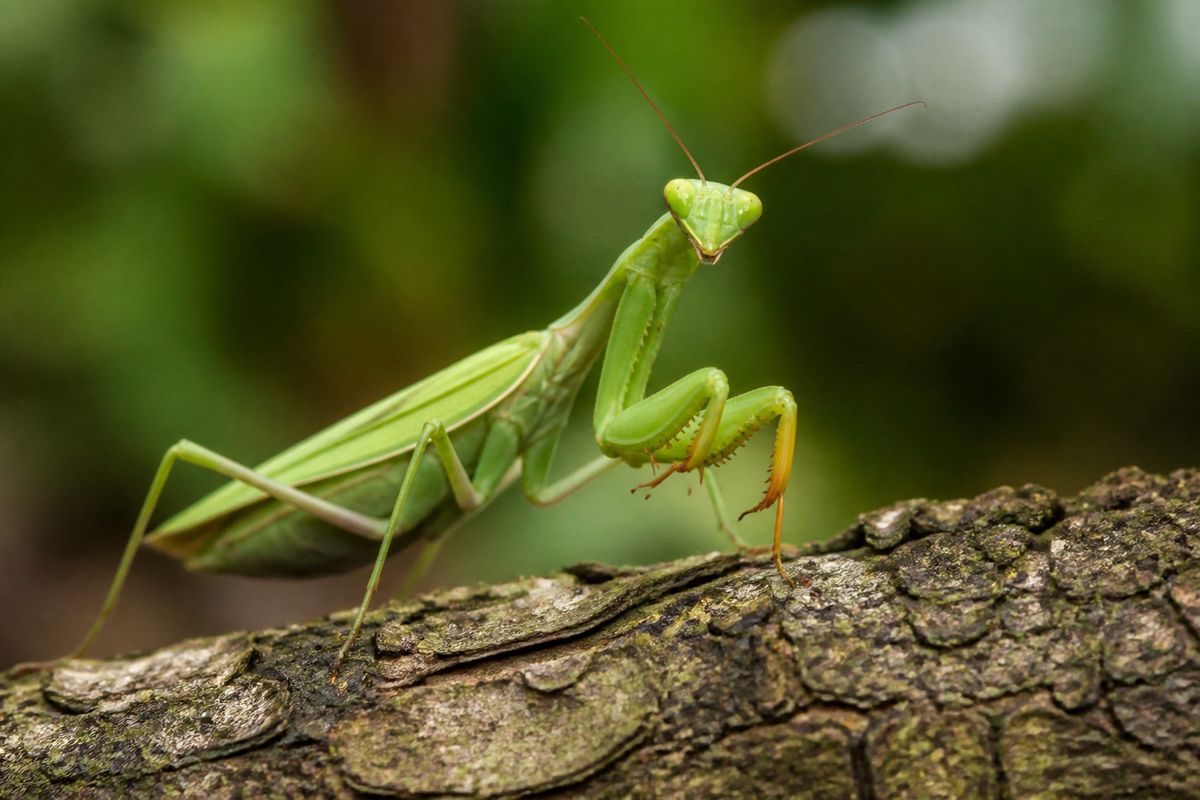
Praying mantises are fascinating insects known for their distinct appearance and predatory behaviors. With their elongated bodies and unique “praying” posture, these creatures have captivated the interest of entomologists and nature enthusiasts alike. Understanding where praying mantises live is crucial for appreciating their role in ecosystems, as well as for those interested in observing or keeping them as pets. This article will delve into the various habitats and distribution of praying mantises worldwide.
Overview of Praying Mantises
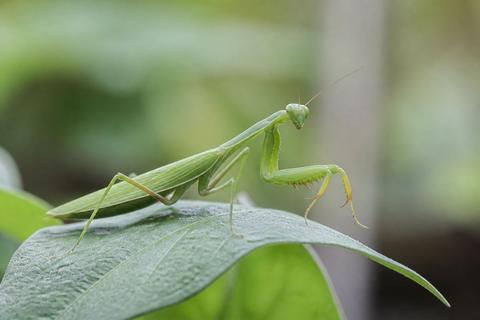
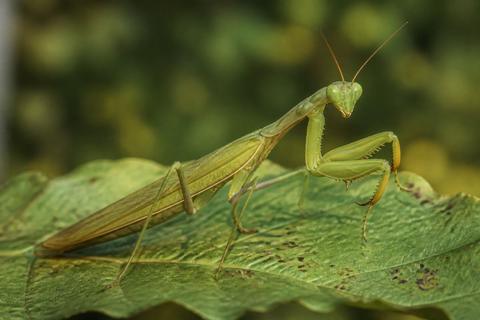
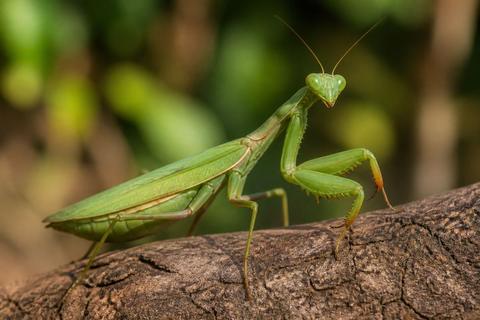
Praying mantises belong to the order Mantodea, which consists of over 2,400 species divided among approximately 15 families. These insects are primarily recognized by their triangular heads, large compound eyes, and grasping forelegs, which are adapted for capturing prey. Their predatory nature is a significant aspect of their ecological function, making them important for controlling pest populations.
Global Distribution of Praying Mantises
Praying mantises can be found on every continent except Antarctica, showcasing an impressive adaptability to various environments. They thrive in tropical rainforests, temperate forests, grasslands, and even deserts. Here’s a closer look at their distribution across different continents:
North America
In North America, several species of praying mantises are native or have been introduced. The most common species is the Carolina mantis (Stagmomantis carolina), found primarily in the eastern United States. Other notable species include the Chinese mantis (Tenodera sinensis) and the European mantis (Mantis religiosa), both of which have been introduced to North America.
These mantises inhabit a variety of environments, including gardens, fields, and woodlands. They prefer areas with plenty of vegetation where they can camouflage themselves from predators while ambushing prey.
South America
South America is home to a diverse range of praying mantis species due to its rich biodiversity. Countries like Brazil, Colombia, and Ecuador boast numerous native species adapted to various habitats, including rainforests and savannas. For instance, the Amazonian mantis (Sphodromantis lineola) thrives in humid tropical regions.
The diverse climates in South America allow for a multitude of adaptations among praying mantises. From the lush canopies of rainforests to open grasslands, each species has developed unique characteristics suited for its environment.
Europe
Europe features several native praying mantis species, with the most recognizable being the European mantis (Mantis religiosa). This species is widely distributed across southern and central Europe and prefers warm climates with ample sunlight.
Praying mantises in Europe usually inhabit meadows, gardens, and scrublands where they can easily blend into their surroundings. The varying climates across Europe allow for seasonal changes in their behavior and distribution, such as retreating to lower altitudes during colder months.
Asia
Asia hosts a significant number of praying mantis species due to its vast size and diverse habitats. The Giant Asian Mantis (Tenodera sinensis) is one of the largest species known and can be found in many parts of East Asia.
From temperate regions in Japan to tropical areas in Southeast Asia such as Thailand and Malaysia, praying mantises adapt remarkably well to different environments. Their habitats range from dense forests to urban gardens where they play essential roles in pest control.
Africa
Africa is another hotspot for praying mantis diversity. Various species inhabit the continent’s different ecosystems, including deserts, savannas, and forests. The African Mantis (Sphodromantis viridis) is commonly found across sub-Saharan Africa.
Many African mantises exhibit remarkable adaptations that enable them to survive in arid environments. Their coloration often mimics surrounding flora or soil types, providing effective camouflage against predators while they hunt insects.
Australia
In Australia, there are over 100 native species of praying mantises. Notable examples include the Australian Tiger Mantis (Agrionympha australis) and Machaeropteron aglaope, both featuring distinct physical traits suited to their environment.
Australia’s varied landscapes, from coastal areas to mountainous regions, offer diverse habitats for these insects. Australian praying mantises adapt to local conditions, utilizing vegetation for hunting while avoiding harsh weather conditions.
Habitat Preferences
Praying mantises can thrive in numerous habitats but generally prefer environments that provide ample cover for hunting and breeding opportunities. Here are some common habitat features that attract these fascinating insects:
Vegetation Density
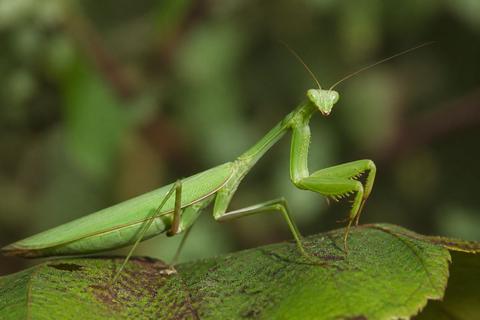
Praying mantises are often found in areas with dense vegetation; this includes gardens filled with flowers, shrubs, or tall grasses where they can effectively ambush prey while remaining hidden from larger predators. They rely heavily on their ability to camouflage with foliage and flowers.
Climate Factors
Different species have varying climatic preferences; however, most thrive in warm temperatures with moderate humidity levels. Regions with distinct seasons may see variations in insect populations as environmental conditions change throughout the year.
Soil Type
The type of soil also influences where praying mantises live. Loamy or sandy soils often support more plant life than rocky or clay-heavy soils; hence areas with rich soil are generally better suited for supporting diverse insect populations.
Proximity to Water Sources
While not strictly aquatic insects, many praying mantis species prefer habitats located near water sources like ponds or streams since these areas typically support higher insect populations. Water helps maintain humidity levels favorable for both hunting and reproduction.
Conservation Considerations
As urbanization expands globally, natural habitats for various insect species, including praying mantises, are threatened. Pesticide use can also impact their populations by reducing available prey or directly harming the insects themselves. Conservation efforts focusing on preserving natural habitats while promoting sustainable gardening practices can help maintain local praying mantis populations.
Creating Praying Mantis-Friendly Environments
For those interested in attracting or nurturing praying mantises at home or in community gardens:
-
Plant Diverse Flora: Incorporate a variety of plants that bloom at different times throughout the growing season; this will provide continuous food sources.
-
Limit Pesticide Use: Opt for organic gardening methods to protect not only praying mantises but other beneficial insects.
-
Provide Shelter: Create areas with tall grasses or shrubs where these insects can hide from predators while hunting.
-
Water Sources: If possible, establish small water features (like birdbaths) that encourage biodiversity within your garden ecosystem.
Conclusion
Praying mantises inhabit diverse environments across the world, from North America’s gardens to Africa’s savannas, demonstrating adaptability and ecological significance. By understanding their habitat preferences and distribution patterns, we can appreciate these remarkable insects’ roles within our ecosystems while also taking steps towards conservation efforts that support their survival amidst changing environments. Engaging with nature through observing or caring for these captivating creatures enriches our understanding of biodiversity on our planet.