
Praying Mantises
The praying mantis is an ambush predator that can turn its head to watch you, strikes in a fraction of a second, and sometimes eats its mate. These guides cover its hunting, biology, and behavior. (5 guides.)
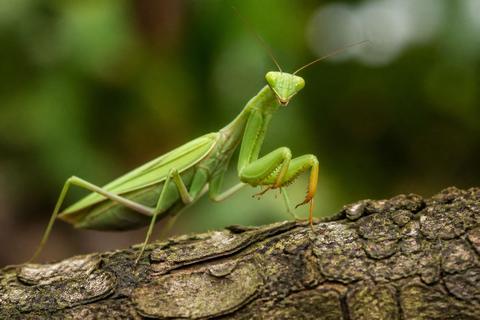 Praying MantisesRead article →Where Do Praying Mantises Live? Habitat and Distribution Guide
Praying mantises are fascinating insects known for their distinct appearance and predatory behaviors. With their elongated bodies and unique “praying” posture, these creatures have
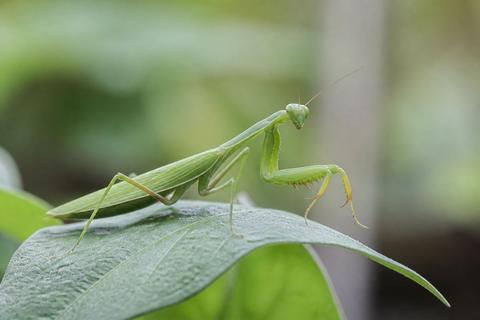 Praying MantisesRead article →What Is the Life Cycle of Praying Mantises? Stages and Facts
Praying mantises are fascinating insects known for their unique appearance and predatory behavior. With their triangular heads and long, slender bodies, they capture the attention
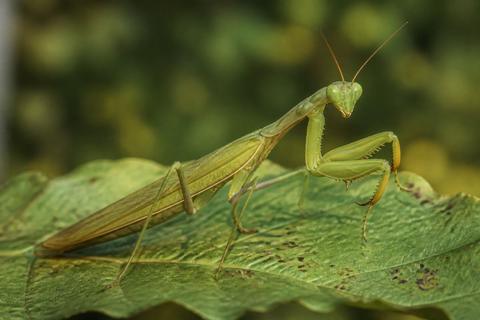 Praying MantisesRead article →What Are the Characteristics of Praying Mantises? Size, Color, and Behavior
Praying mantises are fascinating insects that have intrigued both scientists and nature enthusiasts for centuries. With their unique appearance and predatory behavior, these creatu
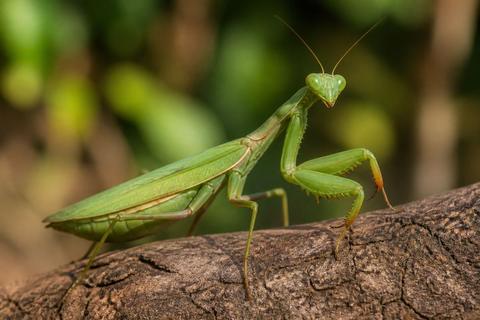 Praying MantisesRead article →How to Identify Praying Mantises: Identification Tips
Praying mantises are fascinating insects known for their unique appearance and predatory behavior. With their triangular heads and elongated bodies, they have captured the curiosit
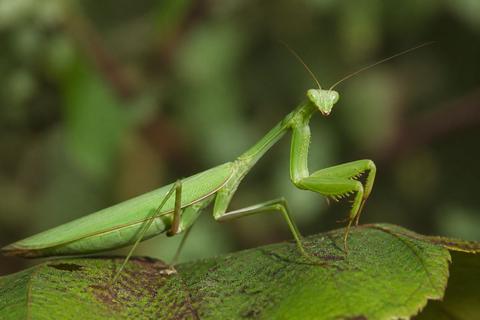 Praying MantisesRead article →How Do Praying Mantises Contribute to the Ecosystem?
Praying mantises are fascinating insects that belong to the order Mantodea. With their distinctive posture, triangular heads, and rapid movements, these predators have captured the