What Is the Life Cycle of Praying Mantises? Stages and Facts
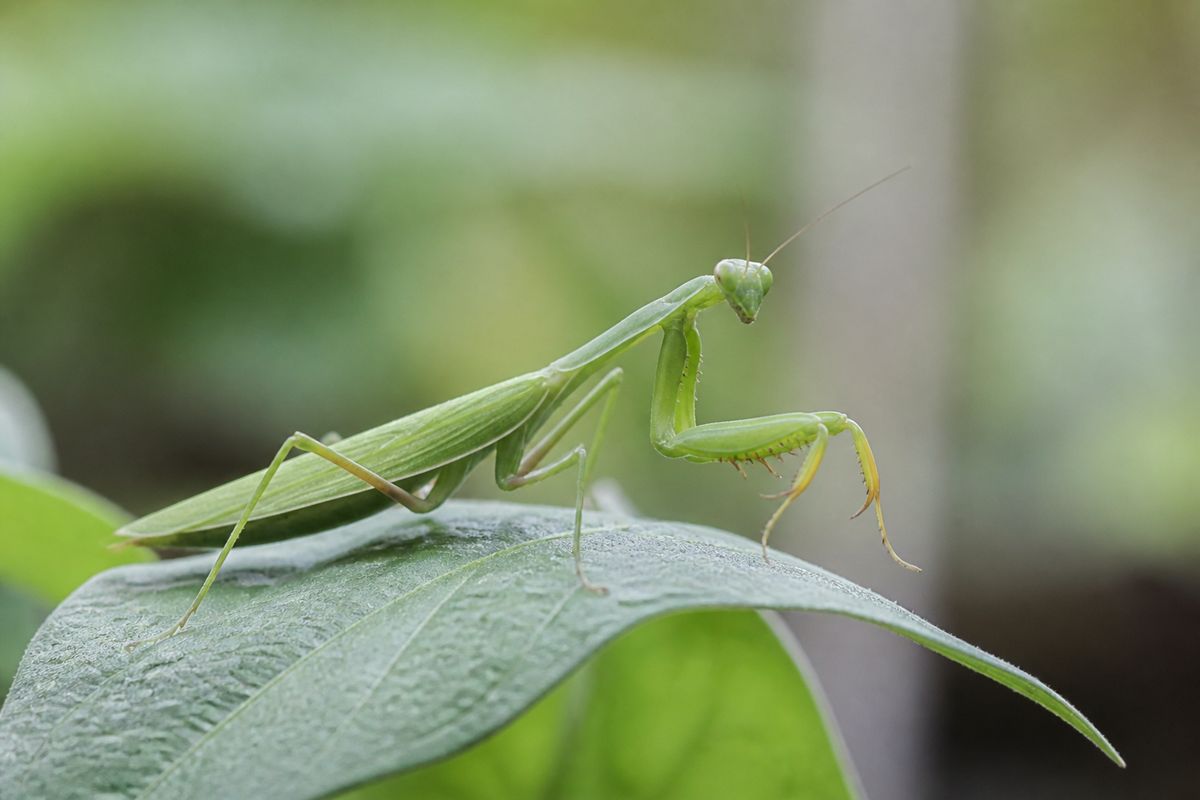
Praying mantises are fascinating insects known for their unique appearance and predatory behavior. With their triangular heads and long, slender bodies, they capture the attention of many insect enthusiasts and nature lovers alike. Understanding the life cycle of these intriguing creatures provides insight into their survival strategies and unique adaptations. In this article, we will explore the various stages of a praying mantis’s life cycle, along with interesting facts that underscore their ecological significance.
Stage 1: Egg
The life cycle of a praying mantis begins with its egg stage, which is critical for the continuation of its species. Female mantises typically lay their eggs in late summer or early fall. The eggs are encased in a protective foam-like structure called an ootheca. This ootheca serves several purposes:
- Protection: The foam provides insulation and safeguards against environmental hazards such as extreme temperatures and moisture.
- Camouflage: The color and texture of the ootheca help it blend into its surroundings, making it less conspicuous to predators.
- Nutrient Supply: The ootheca contains a rich supply of nutrients that support the developing embryos inside.
Depending on the species, a female mantis can lay anywhere from 10 to 400 eggs in one ootheca. The number varies based on environmental conditions, availability of resources, and the individual’s health.
Stage 2: Nymph
After spending several weeks to several months (depending on temperature and humidity) in the egg stage, depending on environmental conditions, the eggs hatch into nymphs. This stage marks a significant transition as they emerge from the protective ootheca.
Characteristics of Nymphs
- Appearance: Nymphs resemble miniature versions of adult mantises but lack fully developed wings. They are generally more vulnerable at this stage.
- Molting: As nymphs grow, they undergo a series of molts (instars), shedding their exoskeletons to accommodate their increasing size. A praying mantis typically molts around five to ten times before reaching adulthood.
- Behavior: Nymphs are voracious predators from the moment they hatch. They primarily feed on smaller insects like aphids and fruit flies. Their predatory instincts are critical for survival as they must compete for food and avoid becoming prey themselves.
Developmental Duration
The nymph stage can last anywhere from several weeks to several months, influenced by factors such as temperature, humidity, and food availability. Warmer temperatures tend to accelerate development, while colder conditions may prolong this stage significantly.
Stage 3: Adult
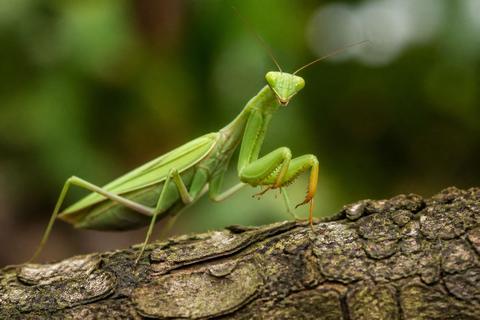
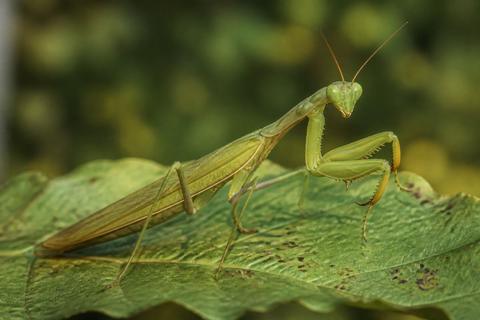
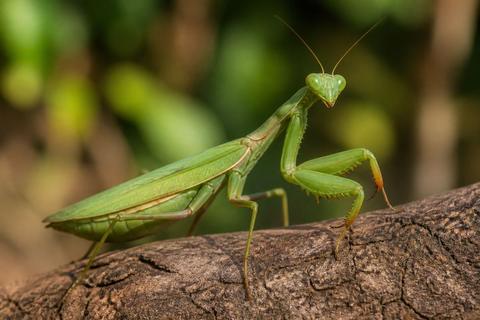
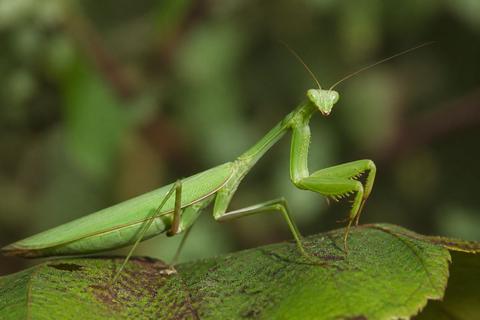
After completing their series of molts, praying mantises reach adulthood and enter the final stage of their life cycle. Adult mantises are characterized by their elongated bodies, fully developed wings, and distinctive triangular heads with bulging eyes.
Characteristics of Adults
- Size Variability: Adult praying mantises can vary significantly in size depending on the species. Some can grow up to six inches long while others are much smaller.
- Mating Behavior: The adult stage is primarily focused on reproduction. Mating typically occurs in late summer or early fall. One striking behavior observed in some species is sexual cannibalism, where the female may consume the male after mating. This behavior may serve as a nutritional advantage to the female for nurturing her future offspring.
- Lifespan: The lifespan of adult mantises is relatively short; they typically live for about six months to a year depending on species, environmental conditions, and predation pressures.
Predation and Defense Mechanisms
As adults, praying mantises continue to be effective predators. They can hunt larger prey thanks to their powerful forelegs that are adept at grasping and holding onto victims. Some common prey includes beetles, grasshoppers, and even small vertebrates like lizards or frogs.
In addition to their hunting skills, adult mantises have various defense mechanisms against predators:
- Camouflage: Their coloration often mimics leaves or flowers in their natural habitat.
- Mimicry: Some species have adapted to look like twigs or flowers, further enhancing their ability to ambush prey.
- Aggressive Posturing: When threatened, mantises may adopt aggressive postures with their forelegs raised to appear larger.
Stage 4: Death
After mating in late summer or early fall, adult praying mantises fulfill their reproductive roles before succumbing to death as winter approaches. They generally die off with the first frost when temperatures drop below freezing.
Ecological Role
The death of adult mantises does not signify an end but rather a continuation of life through their offspring. The cycle starts anew when females lay eggs that will hatch into nymphs in favorable conditions during springtime.
Facts About Praying Mantises
- Diversity: There are over 2,400 known species of praying mantises worldwide, showcasing an impressive variety in size, shape, color, and behavior.
- Vision: Mantises have excellent binocular vision that allows them to judge distances accurately, an essential skill for hunting.
- Habitat Preferences: They thrive in diverse habitats ranging from tropical rainforests to temperate gardens and grasslands.
- Dietary Habits: While primarily carnivorous hunters, some species exhibit herbivorous tendencies during certain life stages.
- Cultural Significance: Throughout history and across cultures, praying mantises have been associated with various symbolic meanings ranging from patience to stillness in some societies.
Conclusion
Understanding the life cycle of praying mantises not only enriches our knowledge about these captivating insects but also highlights their importance within ecosystems as both predators and prey. From egg through nymph to adult stages, each phase plays a crucial role in maintaining balance within nature’s intricate web of life.
As we continue to study these remarkable creatures and raise awareness about their ecological roles, we contribute to conserving biodiversity, a task that becomes increasingly vital in our rapidly changing environment. Whether you’re an entomologist or simply an admirer of nature’s wonders, observing these incredible insects can provide a deeper appreciation for the intricacies of life cycles in our world.