How to Identify Praying Mantises: Identification Tips
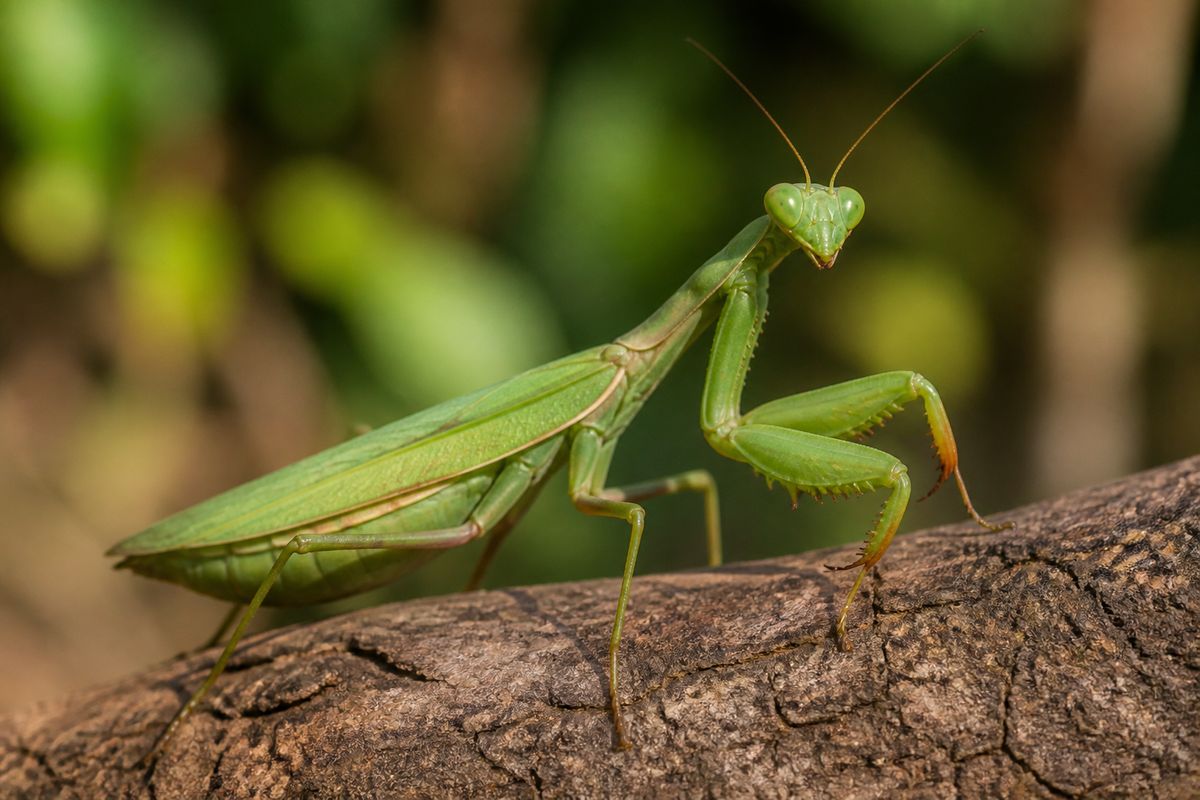
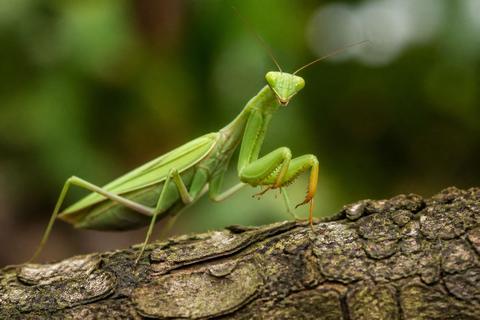
Praying mantises are fascinating insects known for their unique appearance and predatory behavior. With their triangular heads and elongated bodies, they have captured the curiosity of both amateur naturalists and seasoned entomologists. Identifying these remarkable creatures can enhance your outdoor experiences and deepen your appreciation for the biodiversity around you. In this article, we will explore key identification tips to help you recognize praying mantises and understand their characteristics.
Understanding the Praying Mantis
Before diving into identification tips, it’s essential to understand what a praying mantis is. These insects belong to the order Mantodea, and there are over 2,400 species worldwide. They are primarily known for their distinctive posture, where they fold their front legs in a manner that resembles a person in prayer, hence the name “praying mantis.”
Physical Characteristics
-
Body Structure: Praying mantises typically have elongated bodies that can vary significantly in size depending on the species. Commonly, they range from about 1 to 6 inches in length. The body is divided into three main parts: the head, thorax, and abdomen.
-
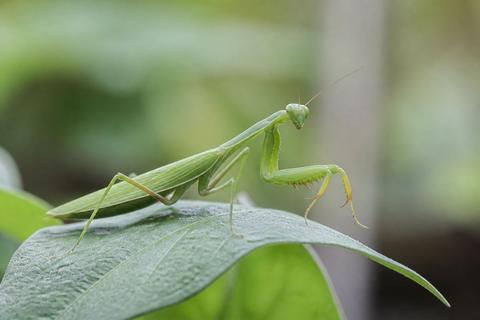
Head: Their heads are triangular with large compound eyes that provide excellent vision. Some species have a distinct “neck” that allows them to swivel their heads, which aids in hunting prey.
-
Legs: The most distinctive feature of praying mantises is their forelegs, which are modified for grasping prey. These raptorial legs are equipped with spines that help them hold onto their catch firmly.
-
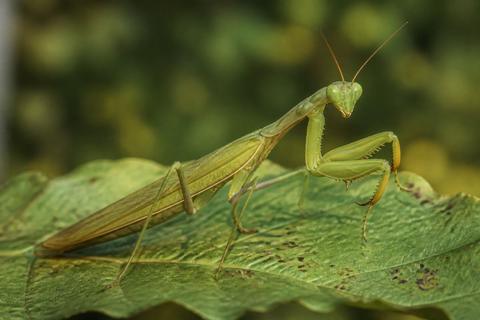
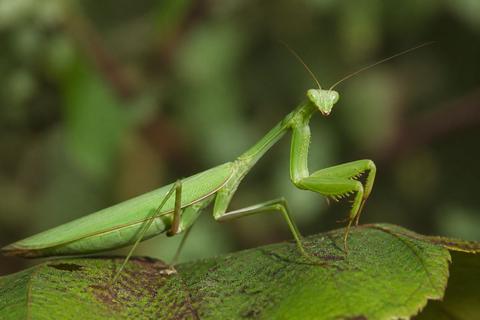
Coloration: Praying mantises come in various colors, including green, brown, and even shades of pink or gray. This coloration often helps them blend in with their environment, serving as camouflage against potential predators and prey alike.
Behavioral Traits
In addition to physical characteristics, certain behaviors can aid in identifying praying mantises:
-
Predatory Nature: Praying mantises are carnivorous hunters. They primarily feed on insects but have also been known to catch small vertebrates such as frogs or birds.
-
Camouflage and Motion: They employ various strategies for hunting, including remaining motionless for extended periods or mimicking leaves and flowers to ambush unsuspecting prey.
-
Mating Rituals: During mating season, male mantises often face dangers from females who may eat them post-mating. This behavior can be an intriguing observation point if you encounter these insects during the breeding period.
Identification Tips
When attempting to identify a praying mantis, consider the following factors:
1. Observe Size and Shape
The size and shape of a mantis can provide significant clues about its identity. Generally speaking:
- Small Species: Some species like the Carolina mantis (Stagmomantis carolina) may only reach about 2-3 inches in length.
- Larger Species: The Chinese mantis (Tenodera sinensis) can grow up to 4-6 inches long.
The overall body shape can also vary slightly among species; some may have more slender bodies while others appear stockier.
2. Coloration and Patterns
Coloration plays a vital role in identification:
- Green Mantises: Most commonly found species like the European mantis (Mantis religiosa) and Carolina mantis exhibit green hues that help them blend into foliage.
- Brown Mantises: The brown coloration often helps them camouflage with twigs or bark.
- Other Colors: Certain species display unique patterns or colors; for instance, the Orchid mantis (Hymenopus coronatus) is known for its striking pink hue resembling flowers.
3. Examine the Head Structure
The head structure varies between different species:
- Some species have noticeably wider heads compared to their bodies, while others possess more elongated facial features.
- Look at the positioning of the eyes, some species have prominent compound eyes positioned more towards the sides of their heads.
4. Look at Foreleg Structure
The configuration of forelegs can also aid identification:
- Many species have spines on their forelegs; however, some might display variations in spine size or arrangement.
- The angle at which forelegs are held when at rest can also differ among species.
5. Frequency of Encounter
Knowing which species are common in your region can guide your identification efforts:
- Carolina Mantis: Commonly found across North America.
- Chinese Mantis: Introduced from Asia but widespread in North America.
- European Mantis: Often found throughout Europe and parts of North America.
Research local guides or databases to familiarize yourself with native species and their typical habitats.
6. Habitat Preferences
Different species exhibit preferences for specific habitats:
- Many prefer gardens or areas with abundant vegetation where they can find prey.
- Others might be found in woodlands or on flowering plants where they can stay concealed while waiting for insects.
Understanding habitat preferences will improve your chances of observing specific species.
Seasonal Patterns
It’s important to consider seasonal variations when identifying praying mantises:
- Typically active from late spring through fall, adults may be seen during warm months.
- In many cases, you will encounter nymphs in late summer or early autumn, showcasing different physical characteristics compared to adult mantises.
Conclusion
Identifying praying mantises involves observing a combination of physical characteristics, behavioral traits, seasonal patterns, and habitat preferences. By keeping these identification tips in mind, you will not only enhance your ability to recognize these extraordinary insects but also gain greater insight into their roles within ecosystems. Whether you’re an avid gardener looking for natural pest control or simply a nature enthusiast eager to learn more about local wildlife, understanding how to identify praying mantises enriches your connection with nature’s wonders. Remember always to approach these creatures with respect, after all, they play an essential role as predators within our ecosystems!