What Are the Characteristics of Praying Mantises? Size, Color
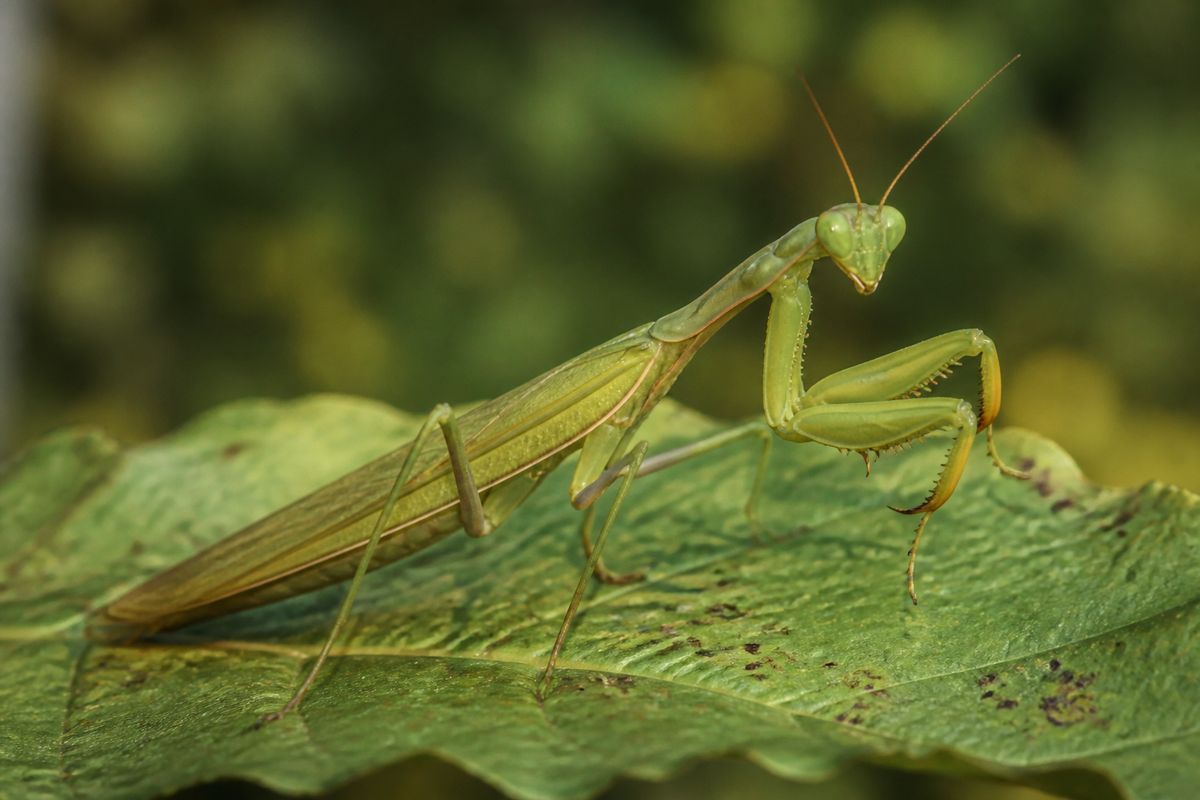
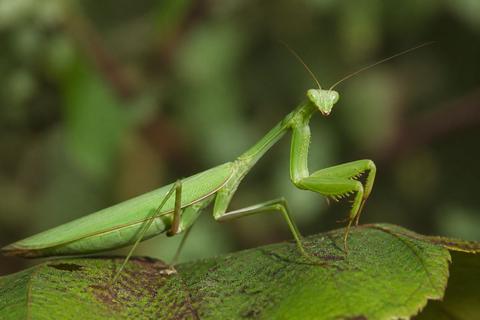
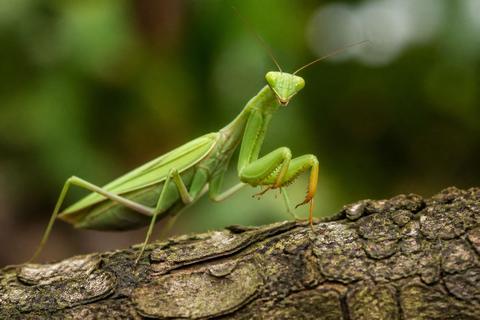
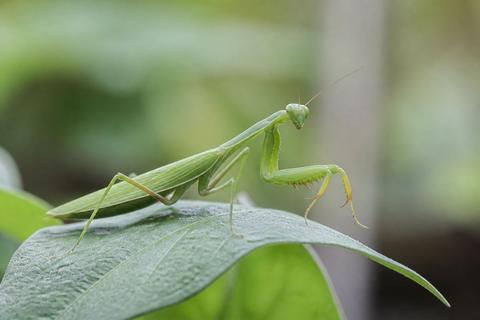
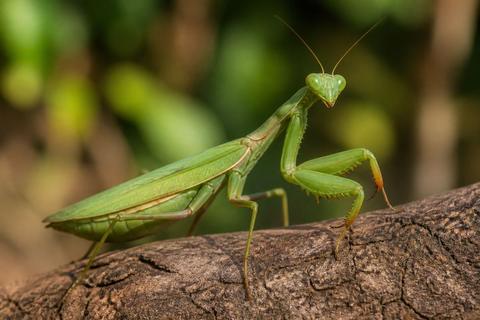
What are the characteristics of praying mantises? Size, color, and hunting behavior all vary a lot by species, but every mantis shares the same basic body plan: a triangular head that swivels nearly 180 degrees, huge compound eyes, and a pair of spiny raptorial forelegs built for grabbing prey.
Size
Adult mantis length depends heavily on species. Most mantises you'll actually find in a North American yard fall between 2 and 5 inches long.
Adult Sizes by Species
-
Carolina mantis (Stagmomantis carolina): the smallest of the common US species, typically 2 to 2.5 inches long and native to the southeastern states.
-
Chinese mantis (Tenodera sinensis): the mantis most people spot in gardens, running 3 to 5 inches and introduced to the US in the 1890s near Philadelphia as a pest-control agent.
-
Giant Asian mantis (Hierodula membranacea): a larger, stockier species that can push past 5 inches, though it's far less common in North American yards than the Chinese or Carolina mantis.
Body Proportions
The mantis body has three sections: head, thorax, and abdomen. The elongated thorax lets the triangular head sit up and rotate independently, which is why a mantis can track a moving fly without turning its whole body. The raptorial forelegs fold in front of the thorax in the classic "praying" posture until they strike.
Color
Coloring runs from bright green to mottled brown and gray, and it's tied directly to where a species lives and hunts.
Camouflage
Color in mantises is mostly about not being seen, by prey or by predators:
-
Green mantises match live foliage, letting them sit motionless on a leaf or stem while insects wander within striking range.
-
Brown and gray mantises match bark, dry grass, or leaf litter instead, and tend to show up more often later in the season as vegetation dries out.
Color Variation and Molting
A single species can include both green and brown individuals, since coloring is influenced by humidity and the surface the nymph molts on rather than fixed by genetics alone. Nymphs often start out a duller shade and develop fuller color with each molt as they approach adulthood.
Behavior
Mantises are solitary ambush predators, and most of what looks like "behavior" to an observer is really hunting, mating, or defense.
Feeding Habits
Mantises don't chase prey. According to the University of Maryland Extension, a hunting mantis stays still and camouflaged until an insect comes within range, then launches a lightning-fast ambush and snags its meal with its raptorial forelegs. Diet is opportunistic: flies, moths, beetles, and crickets make up most of it, though the largest species have been documented taking small frogs, lizards, and even hummingbirds at backyard feeders.
Mating and Sexual Cannibalism
Mantis courtship is brief and, in some species, dangerous for the male. Males approach cautiously and often signal with slow, deliberate movements before mounting. Sexual cannibalism, where the female kills and eats the male during or after mating, is real but not universal; a study on the mantis Tenodera sinensis found that males facing hungry, high-cannibalism-risk females were consumed in more than 20% of encounters over a 360-minute trial, a rate the researchers linked to estimated cannibalism rates in wild populations. Cannibalized males aren't simply losers of the encounter: separate research has found their bodies contribute nutrients that increase the number of eggs the female goes on to produce.
Communication and Territory
Mantises rely on posture and movement rather than sound. A threatened mantis will rear up, spread its forelegs and wings, and hold the pose to look larger, a defensive display known as a deimatic threat. Males competing for the same female or territory may spar with their forelegs rather than engage in prolonged fights.
Reproduction and Life Cycle
After mating, the female builds an egg case rather than laying eggs loose.
The Ootheca
The female secretes a frothy protein substance around her eggs that hardens into a straw-colored, foam-like case. This ootheca typically holds anywhere from dozens to hundreds of eggs, which overwinter attached to a twig or stem until spring.
Nymphs to Adults
Hatchlings emerge as wingless miniatures of the adult and molt several times, gaining size and, in winged species, functional wings only at the final molt. Most mantises in temperate climates live a single season, hatching in spring and dying by the first hard frost, roughly 6 to 12 months depending on species and climate.
Spotting a Mantis in Your Yard
If you find an egg case on a shrub over winter, it's worth leaving in place. Mantises eat garden pests along with the occasional beneficial insect, and a single ootheca can produce far more nymphs than will survive to adulthood, since mantises will cannibalize each other as nymphs when food is scarce.